
Key Highlights
- Revitalization:Angola's textile industry is undergoing significant revitalization.
- Job Creation:New initiatives aim to create thousands of jobs in the sector.
- Sustainability:Focus on sustainable practices and local resources.
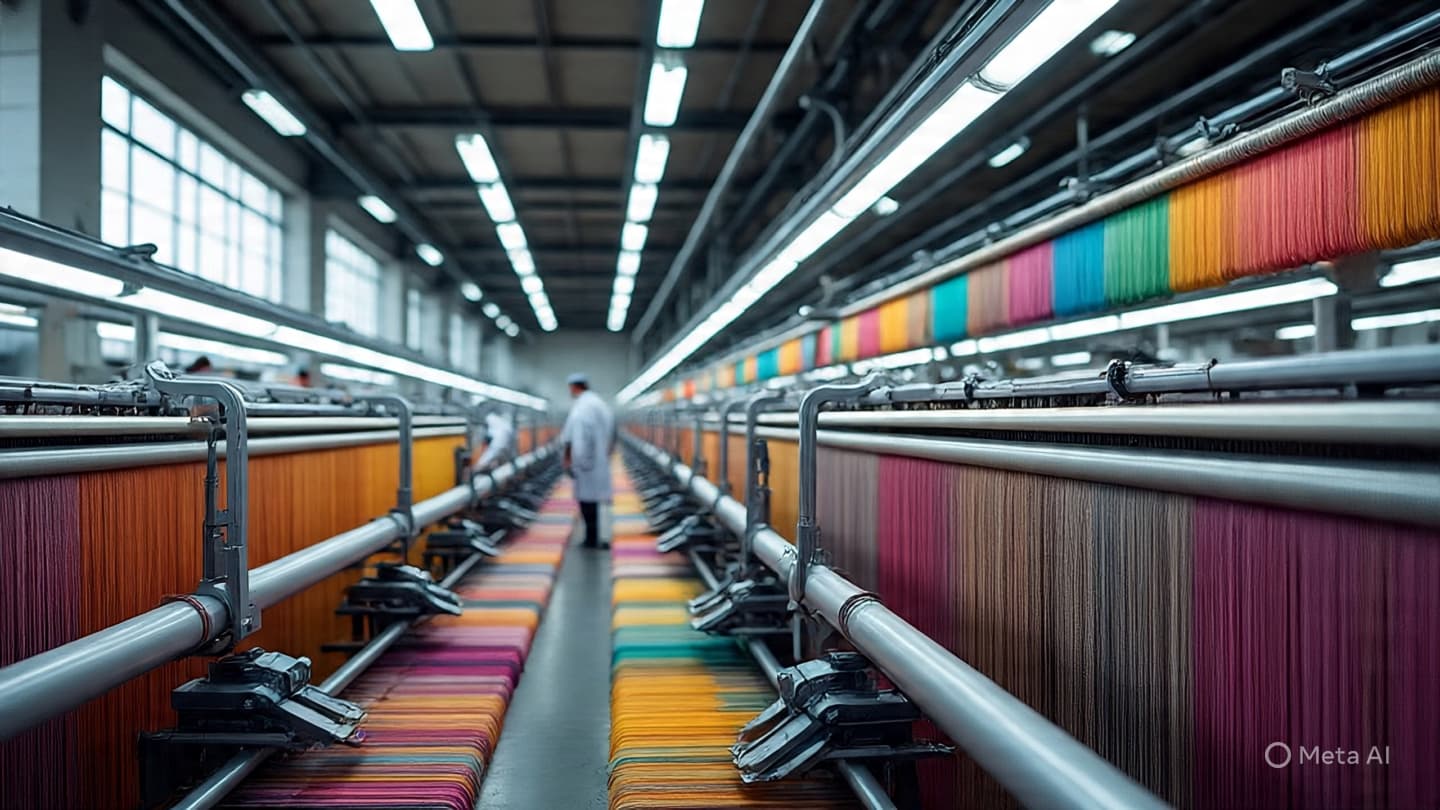
The rhythmic sound of spinning spindles and clicking looms is echoing through the industrial halls of Dondo and Luanda, signaling a renaissance in Angola's textile industry. This resurgence is not merely about production; it embodies a cultural reclamation, where the nation is weaving a new identity through locally made fabrics. The air is filled with the fine mist of cotton fibers and vibrant dyes, transforming the agricultural landscape into garments that reflect the pride of the Angolan people.
The restoration of the textile value chain is a complex endeavor, requiring both the patience of a weaver and the strategic vision of an industrialist. It emphasizes self-sufficiency, suggesting that a society's true elegance lies in its ability to produce quality garments from its own resources. The movement towards reviving cotton cultivation and modernizing manufacturing plants illustrates Angola's commitment to integrating its agricultural strengths with industrial capabilities.
In the sorting rooms where cotton is graded and at the cutting tables where innovative designs emerge, the role of fabric extends beyond mere material; it becomes a symbol of social opportunity. Each yard of fabric produced and every job created contributes to a more diversified and resilient economy. This narrative captures the journey of cotton from the highlands to the coast, highlighting the rise of local fashion brands and the ambition to establish a marketplace where "Made in Angola" signifies quality and style.
The concept of materiality frames this industrial awakening, emphasizing that the goods produced carry the essence of labor and the character of the land. By investing in advanced machinery and vocational training for tailors and technicians, Angola acknowledges that a robust manufacturing base is essential for economic stability against global market fluctuations. This approach reflects the belief that a nation's wealth is measured by the creativity of its artisans and the efficiency of its factories.
The atmosphere of productive labor is filled with quiet beauty—the focused concentration of weavers, the orderly stacks of finished cloth, and the vibrant patterns inspired by ancestral motifs. These elements serve as monuments to a modern industrial era, showcasing a society that values craftsmanship amidst mass production. The pulse of the textile sector signals a convergence of creative and industrial energies, fostering a vision for long-term prosperity.
As sunlight streams through the windows of garment factories, workers finalize touches on new collections, embodying the power of a nation capable of clothing its own populace. This growth nurtures a thriving society and lays the groundwork for a competitive fashion industry. The emphasis on sustainability and organic dyes sets a precedent for a future where Angolan textiles are recognized for their quality and ethical production.
This evolution stands as a testament to the resilience of an industry rediscovering its voice in the 21st century after years of dormancy. It illustrates that the path to a prosperous future is woven with care and supported by policies that protect the local market from external pressures. The recent inauguration of integrated textile complexes promises a future where Angola emerges as a hub of African fashion and industrial excellence.
The Ministry of Industry and Commerce has taken significant steps to rehabilitate three major textile plants, aiming to reduce imports and stimulate the local fashion value chain. This initiative is complemented by efforts to revitalize cotton production in provinces like Malanje and Cuanza Sul, reflecting a national commitment to vertical integration and the creation of thousands of industrial jobs, ensuring that Angola's rich textile heritage is modernized for the global market.
Published by Banx Network. This article is part of the Banx decentralized media programme, powered by the BXE token on the XRP Ledger.



