
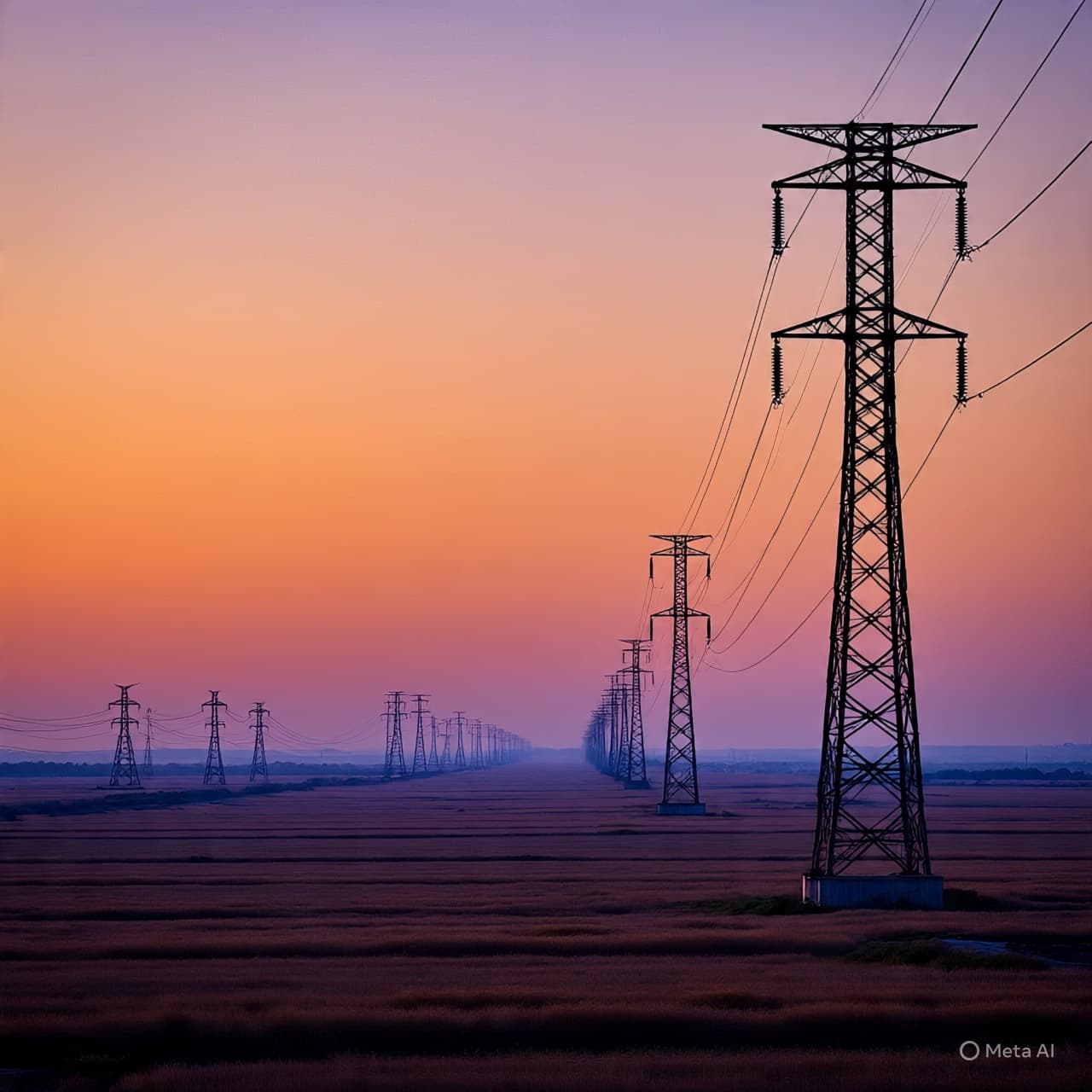
Key Highlights
- Europe’s infrastructure is increasingly viewed as a strategic asset amid rising threats.
- Recent incidents highlight vulnerabilities in energy and communication systems.
- European leaders advocate for preparedness and resilience without sacrificing cooperation.
[The Importance of Infrastructure]
In Europe, critical infrastructure often operates unnoticed, quietly supporting daily life. However, recent discussions among officials have brought this infrastructure to the forefront, emphasizing its strategic importance in the face of modern threats. A senior technology official recently reminded stakeholders that as the European Union becomes more interconnected, the reliance on these systems has deepened, making them potential targets for adversaries.
The official's remarks were not alarmist but rather grounded in realism. The interconnectedness of energy grids, communication networks, transport systems, and data centers means that disruptions can have far-reaching consequences. Cyberattacks and unexplained outages have become more frequent, prompting a shift in how these issues are perceived. No longer seen as mere technical challenges, the protection of infrastructure is now integral to national security policy.
[Lessons from Recent Incidents]
Recent years have provided critical lessons about the vulnerabilities of Europe’s infrastructure. Cyberattacks have targeted various sectors, revealing the fragility of systems that were once considered robust. While many incidents are resolved quickly, their increasing frequency has led to a broader conversation about the need for enhanced security measures. European officials are now advocating for a proactive approach, emphasizing the importance of resilience and preparedness in the face of potential disruptions.
This shift in language reflects a growing recognition that infrastructure protection is not just a technical issue but a strategic imperative. Investments are being discussed not only in stronger defenses but also in redundancy—creating systems that can withstand shocks without collapsing. This approach requires collaboration among governments, private operators, and technology providers, highlighting the necessity of a united front against potential threats.
[Strategic Awakening in Europe]
This recalibration of priorities mirrors Europe’s broader strategic awakening. The same mindset that drives discussions on energy independence and supply chain security is now being applied to digital and physical infrastructure. The goal is not to isolate Europe but to foster awareness of dependencies and vulnerabilities. Understanding where weaknesses exist is crucial for mitigating risks, especially in times of geopolitical tension.
Despite the seriousness of these discussions, European leaders maintain a measured tone. They avoid framing the situation as an inevitable confrontation, instead emphasizing that vigilance can coexist with openness. Protecting infrastructure does not necessitate abandoning cooperation or innovation; rather, it requires a balanced approach that acknowledges risks without allowing them to dictate every decision.
[Future Directions]
As policymakers refine legislation and security frameworks, the message is clear: Europe’s infrastructure is now a central component of its strategic landscape. The warning issued by officials serves not as a verdict but as guidance, inviting attention to the importance of these systems. The continent is quietly strengthening the foundations that keep it running, ensuring that the lights stay on amid rising threats.
Published by Banx Network. This article is part of the Banx decentralized media programme, powered by the BXE token on the XRP Ledger.



