
Key Highlights
- Cuba has faced its third nationwide blackout in recent days.
- Ongoing fuel shortages are a significant factor in the power outages.
- Restoration efforts are underway, with officials prioritizing grid stability.
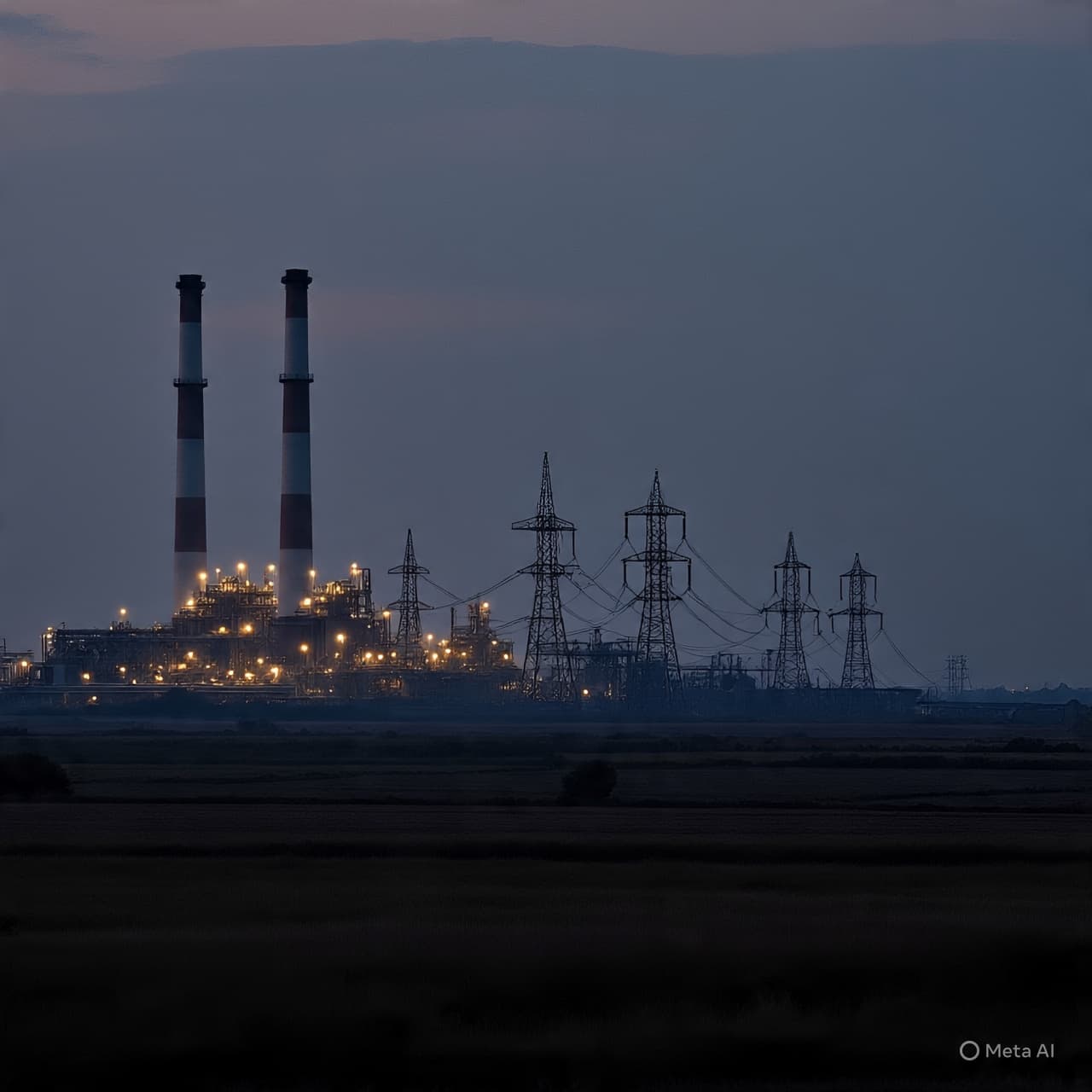
Cuba is currently grappling with a severe energy crisis, marked by its third nationwide blackout in a matter of days. The power outages have left large swathes of the island without electricity, disrupting daily life and creating a sense of uncertainty among residents. The blackouts have become a common occurrence, with the nation’s power grid struggling to cope with the demands placed upon it.
The root cause of these blackouts has been attributed to ongoing fuel shortages, which have severely impacted the country’s ability to generate electricity. The flow of oil, essential for energy production, has been hindered by external pressures, including sanctions imposed by the United States. These constraints have made it increasingly difficult for Cuba to maintain a consistent power supply, particularly during peak demand periods.
As the outages persist, the effects ripple through communities. Refrigeration systems fail, transportation is disrupted, and communication becomes sporadic. Residents have adapted to this new reality, lighting candles and relying on generators where possible. The shared experience of waiting for power to return has created a unique sense of community, even as individuals navigate the challenges of daily life in the dark.
The aging infrastructure of Cuba’s power grid has compounded the issue. With limited resources available for maintenance and upgrades, the grid is particularly vulnerable to failures. What begins as a localized outage can quickly escalate, plunging entire regions into darkness. This fragility has been laid bare in recent days, as the frequency of blackouts has increased, prompting urgent calls for action from officials.
In response to the crisis, authorities are working diligently to restore electricity and stabilize the power grid. Efforts are focused on repairing damaged infrastructure and managing fuel supplies more effectively. Officials have urged patience from the public as they navigate these challenges, emphasizing that restoring power is a top priority.
The situation in Cuba serves as a stark reminder of the vulnerabilities inherent in energy systems, particularly in the face of external pressures and resource limitations. As the nation continues to grapple with these challenges, the hope remains that stability can be achieved, allowing residents to return to a more predictable daily routine.
Published by Banx Network. This article is part of the Banx decentralized media programme, powered by the BXE token on the XRP Ledger.



