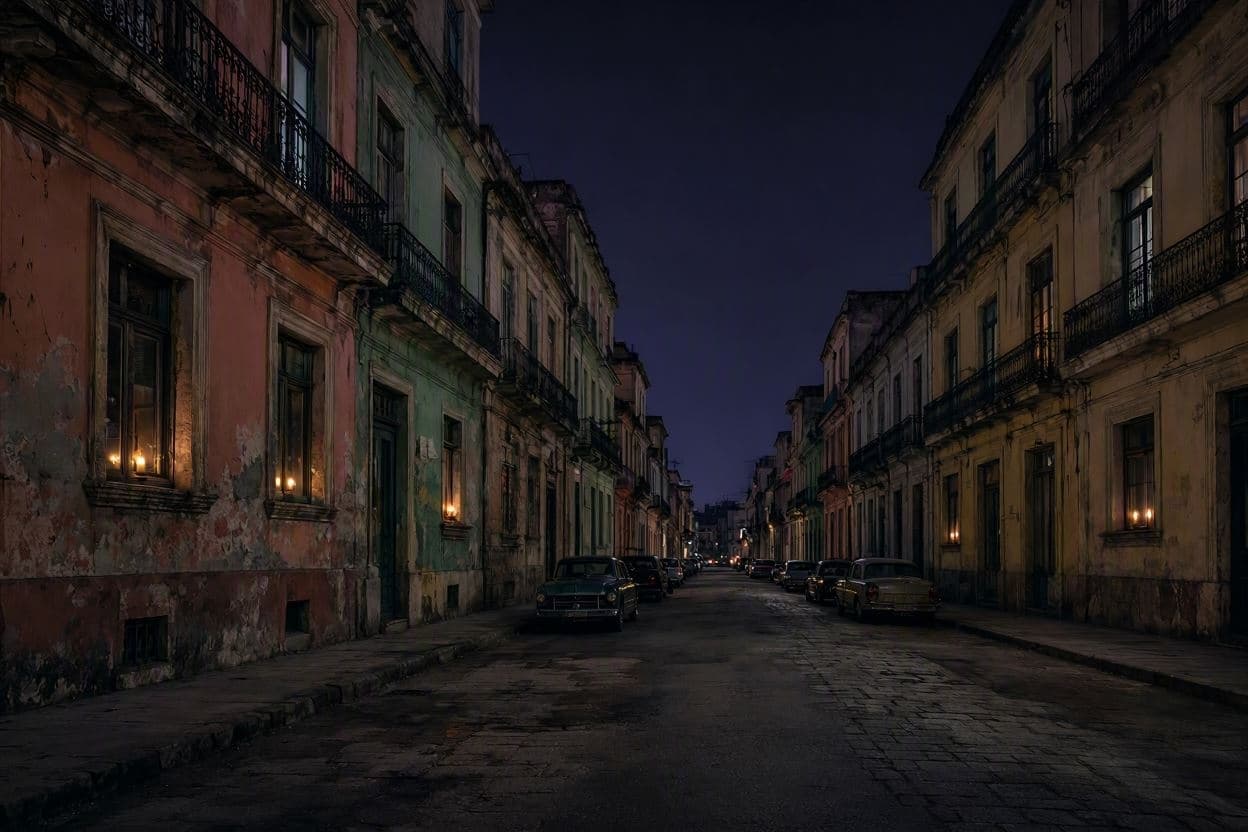
In the tropical heat of Cuba, electricity is more than a utility; it is a lifeline that powers refrigerators, fans, and the delicate machinery of daily survival. Yet, for millions of Cubans, this lifeline has become increasingly fragile. The national power grid has collapsed once again, marking the sixth major blackout this year. As lights flicker and fade across the island, a familiar sense of uncertainty settles in. This recurring crisis is not just a technical failure but a profound humanitarian challenge, testing the resilience of a people accustomed to enduring hardship with quiet dignity.
The latest collapse left vast swathes of the country in darkness, disrupting hospitals, schools, and businesses. For families, it means spoiled food, stifling nights, and the inability to charge essential devices. The elderly and the sick are particularly vulnerable, relying on medical equipment that requires constant power. The blackout underscores the deepening economic and infrastructural struggles facing the nation, where aging infrastructure meets rising demand and limited resources.
Cuba’s energy sector has long relied on imported fuel and outdated thermal plants, making it susceptible to global market fluctuations and supply chain disruptions. Recent shortages of oil and gas have exacerbated the situation, forcing authorities to implement rolling blackouts to conserve remaining reserves. While efforts to integrate renewable energy sources are underway, the transition is slow, and the current grid remains precarious. The frequency of these outages suggests a systemic issue that requires more than temporary fixes.
The social impact of these blackouts is profound. Frustration and anxiety simmer beneath the surface, as citizens grapple with the unpredictability of their basic needs. Community bonds are tested and strengthened in equal measure, as neighbors share resources and support one another during the dark hours. Stories of solidarity emerge from the shadows, highlighting the human capacity to adapt and endure in the face of adversity.
Government officials have acknowledged the severity of the crisis, promising investments in infrastructure and diversification of energy sources. However, skepticism remains among the populace, who have heard similar promises before. The economic constraints imposed by decades of embargo and internal inefficiencies limit the speed and scale of potential solutions. The path to stability is long and fraught with obstacles, requiring both domestic reform and international cooperation.
International observers note that Cuba’s energy crisis is emblematic of broader challenges facing small island nations in a changing climate. Rising temperatures increase demand for cooling, while extreme weather events threaten infrastructure. The situation in Cuba serves as a cautionary tale for other regions reliant on fragile grids, emphasizing the urgent need for resilient and sustainable energy systems.
Despite the hardships, life continues. Musicians play in the streets, children study by candlelight, and families gather to share meals before the food spoils. This resilience is a testament to the Cuban spirit, a refusal to be defined solely by scarcity. Yet, the desire for change is palpable, a hope for a future where light is a guarantee rather than a gamble.
The sixth major power grid collapse in Cuba this year highlights the urgent need for infrastructural reform and energy security. As millions endure another blackout, the resilience of the Cuban people is evident, but so is the toll of prolonged instability. Addressing this crisis requires sustained effort, investment, and a commitment to improving the quality of life for all citizens.
AI Image Disclaimer: Visuals associated with this article are AI-generated representations intended to visualize the historical context and should not be considered photographic evidence.
Sources: Reuters Associated Press BBC News Al Jazeera
Published by Banx Network. This article is part of the Banx decentralized media programme, powered by the BXE token on the XRP Ledger.