
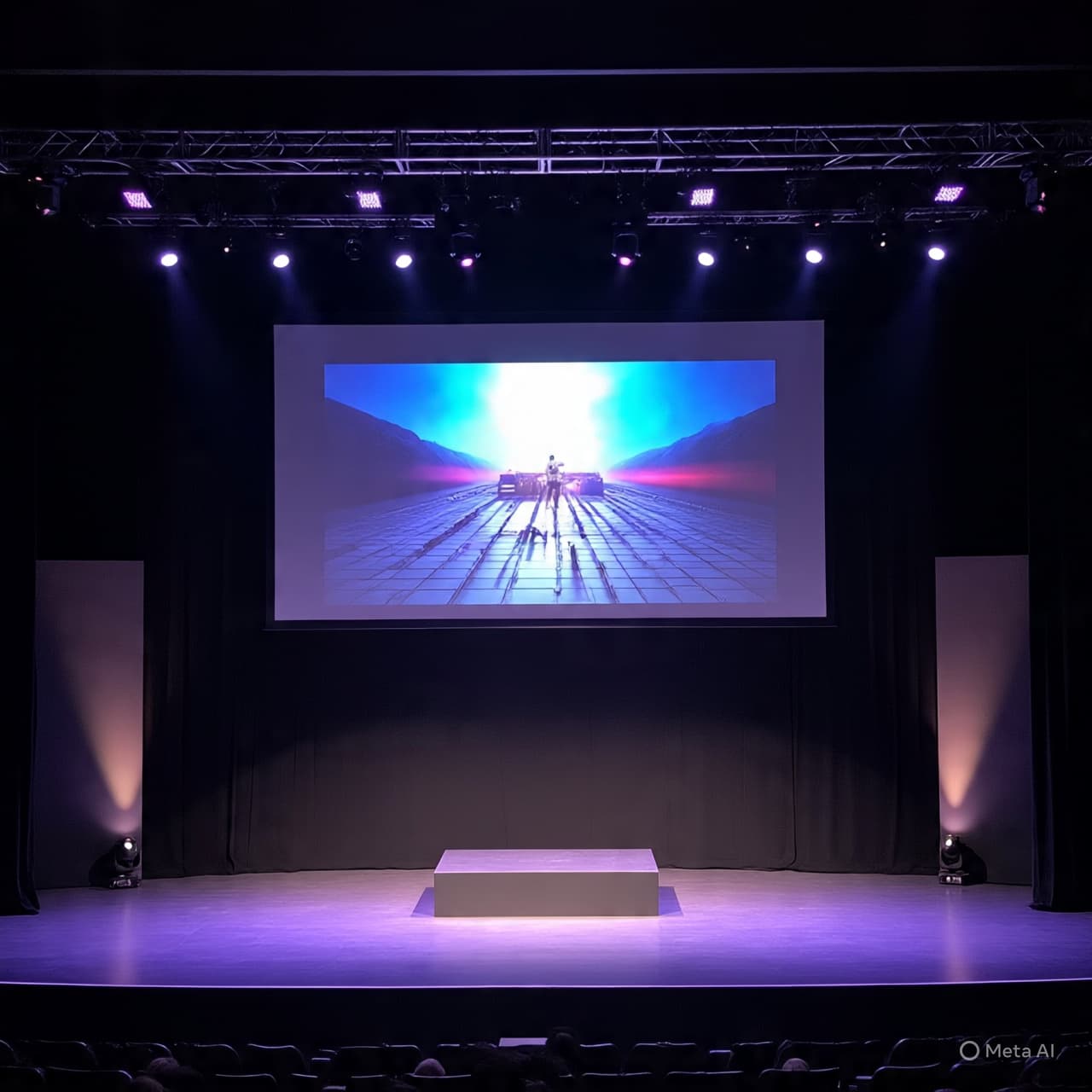
As the final moments of the Game Awards drifted toward their close, the stage lights softened and the familiar cadence of an ending settled in. Viewers, accustomed to surprise reveals and carefully timed crescendos, watched as Highguard occupied the show’s last stretch, lingering where applause usually fades into credits. It was a placement that invited speculation almost immediately, not because of spectacle alone, but because of the silence surrounding how it came to be there.
In the days that followed, conversation moved quickly, as it often does online, toward assumptions of transaction. The closing slot of a broadcast as carefully choreographed as the Game Awards has long been understood as valuable real estate, a space where marketing and meaning can blur. Some viewers suggested that Highguard, a title that had drawn attention for its cinematic tone and deliberate pacing, must have purchased its moment in the spotlight.
Developers and organizers, however, moved to clarify the matter. According to statements from the studio behind Highguard and representatives associated with the Game Awards, no payment was made to secure the finale position. The placement, they said, was editorial rather than commercial, shaped by the show’s producers and their sense of flow rather than by sponsorship or fee. In an industry where marketing budgets are often discussed in whispers, the insistence on this distinction felt almost old-fashioned, a reminder that not every decision is transactional, even in a medium built on scale and spectacle.
Highguard itself has been described as a project years in the making, developed by a relatively small team with an emphasis on atmosphere, moral ambiguity, and world-building over sheer technical bravado. Its presence at the end of the broadcast was framed by organizers as a tonal choice, meant to leave viewers with a lingering mood rather than a sharp exclamation point. The developers echoed this sentiment, noting that they were informed of the placement rather than negotiating for it, and that the surprise was mutual.
The Game Awards has, over time, become both ceremony and showcase, a place where recognition, advertising, and aspiration intersect. Its structure is watched closely not only by audiences, but by studios attuned to what placement implies. That scrutiny makes moments like this feel heavier than they might otherwise be, each minute of screen time weighed against assumptions of influence and access.
As statements settled and the initial heat of debate cooled, what remained was a simpler outline of events. Highguard did not pay for its position at the end of the show. The decision was made by the event’s producers, who have maintained editorial control over the program’s pacing and presentation. No financial arrangement was involved, according to those directly responsible.
In the end, the broadcast concluded as it always does, with viewers dispersing into comment threads and conversations carrying fragments of what they had seen. The question of how Highguard arrived at the finale has been answered, if not to universal satisfaction, then at least with clarity. The game closed the night not by purchase, but by placement, leaving behind an afterimage shaped as much by expectation as by intention.
AI Image Disclaimer Visuals are AI-generated and serve as conceptual representations.
Sources (Media Names Only) The Game Awards IGN GamesIndustry.biz Polygon Eurogamer
Published by Banx Network. This article is part of the Banx decentralized media programme, powered by the BXE token on the XRP Ledger.


.jpg&w=3840&q=75 "The Artemis Revolution: How NASA Plans to Build Humanity's Future on the Moon")