The storm passes the way storms often do — loudly, then suddenly gone. Skies clear, debris settles, and the first accounting begins. Roofs are checked, roads reopened, branches pushed aside. Yet for many communities, the most difficult chapter starts after the wind has moved on, when the power does not return.
Electricity has become the invisible architecture of daily life. It keeps food cold, water moving, phones charged, and hospitals functioning. When outages stretch from hours into days, and days into weeks, the absence reshapes routines with a quiet insistence. Meals change, medications become uncertain, and communication thins to whatever battery remains.
Long-lasting power outages pose risks that accumulate rather than announce themselves. Refrigeration fails gradually, not dramatically. Medical devices run until they don’t. Heat and cold creep into homes not as shocks, but as slow discomforts that test endurance, especially for the elderly and the very young. What begins as inconvenience can become a public health concern without ever feeling like a crisis headline.
The reasons outages persist are often buried beneath the damage itself. Transmission lines cross remote terrain, substations sit exposed to flooding, and repair crews must navigate blocked roads and exhausted supply chains. In severe storms, utilities face not one failure but many at once, each dependent on the restoration of another. Time becomes the limiting factor, not intent.
Inequality sharpens in the dark. Households with generators, resources, or the ability to relocate experience outages differently than those who cannot. Small businesses without power lose inventory and income. Schools delay reopening. Communities already stretched by housing or healthcare gaps feel the strain more quickly and recover more slowly.
As days pass, the psychological toll surfaces. Uncertainty becomes its own burden. Without clear timelines, people wait — for updates, for fuel, for the familiar hum that signals a return to normal. The storm, once the central event, fades into memory, replaced by the more exhausting work of persistence.
When power finally returns, it often does so quietly, a light switching on without ceremony. But the interval leaves its mark. Long outages reveal how deeply electricity is woven into safety and dignity, and how recovery is not measured only by cleared skies, but by how long communities are asked to live without the systems they depend on most.
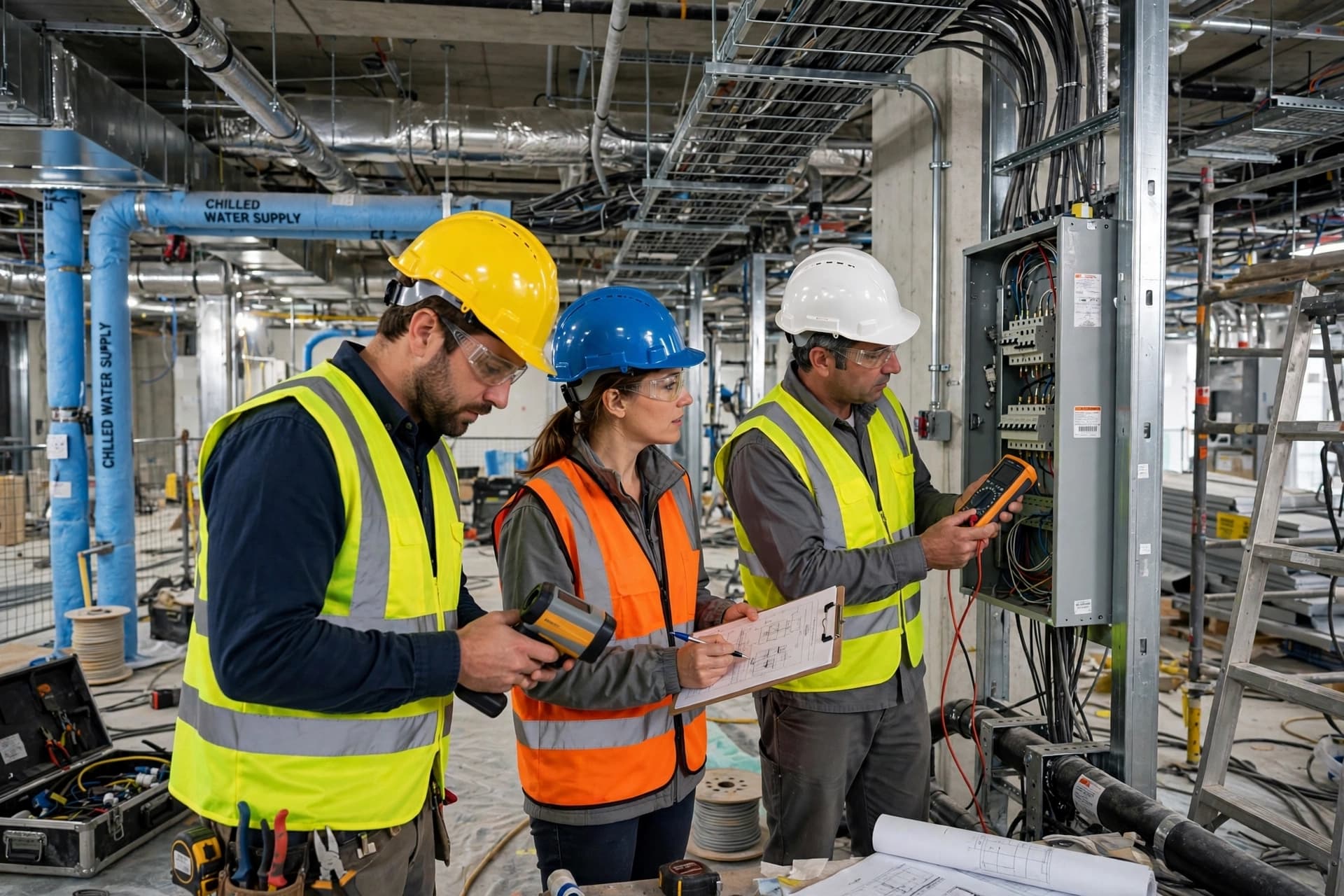
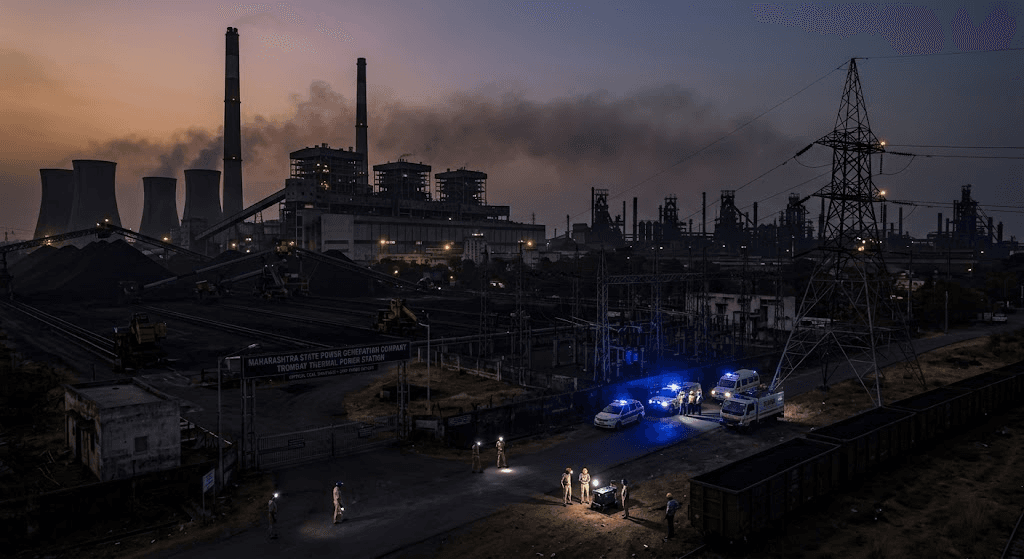
AI Image Disclaimer Visuals are AI-generated and serve as conceptual representations.
Sources Emergency management agencies Utility infrastructure analysts Public health preparedness experts
Published by Banx Network. This article is part of the Banx decentralized media programme, powered by the BXE token on the XRP Ledger.