
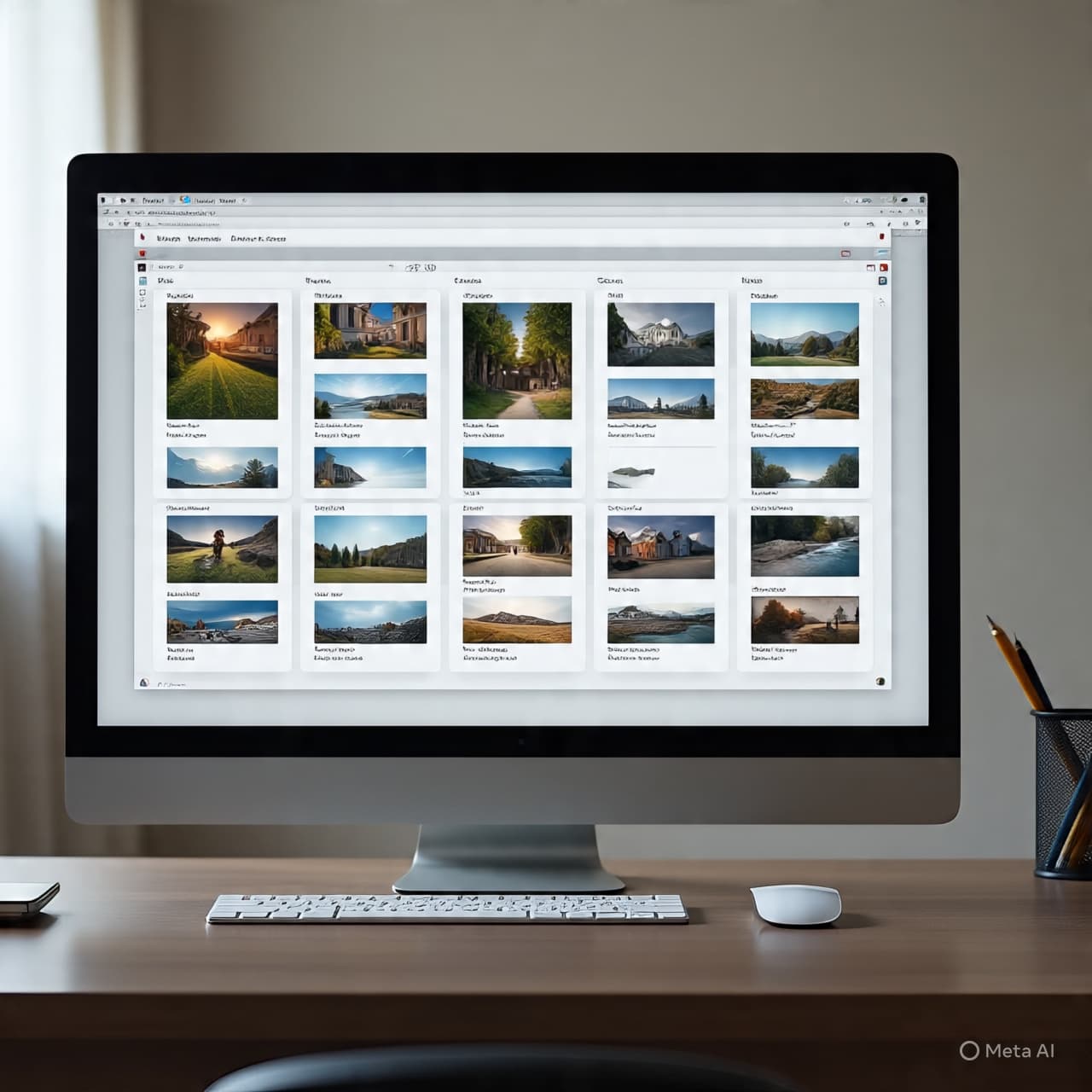
There is a moment, often late at night, when the glow of a monitor feels less like a window and more like a habit. Photographs wait patiently on the screen, their colors and shadows suspended in potential, while familiar tools line the edges like well-worn furniture. For many photographers, this space has long been defined by Adobe — dependable, comprehensive, and increasingly unavoidable. Yet habits, like light, can shift.
The first steps away from Adobe rarely come with drama. They arrive as curiosity, perhaps prompted by a rising subscription fee or the simple desire to understand what else exists beyond the default. The digital photography world, once tightly clustered around a few dominant tools, has quietly expanded. Alternatives now sit in the margins, refined through years of steady development and shaped by users who wanted different rhythms to their work.
In these other environments, editing often feels slower at first. Programs like Capture One, Darktable, Affinity Photo, and DxO PhotoLab do not replicate Adobe’s layout exactly, nor do they try to. Sliders sit in unfamiliar places, terminology shifts slightly, and muscle memory hesitates. But as days pass, another quality emerges: intention. Each adjustment feels more deliberate, less automated, as if the photograph itself is being listened to rather than processed.
Color, often the heart of photographic expression, becomes a revealing difference. Some tools prioritize precise color science and camera-specific profiles, while others lean toward interpretive flexibility. Noise reduction, lens correction, and sharpening — once background operations — take on a more visible presence, reminding the editor that every decision carries weight. Without the sense of an all-encompassing ecosystem, the workflow becomes modular, assembled piece by piece according to need.
What also changes is the relationship with time. Subscription-free software alters the quiet pressure to “get value” from a monthly cost. Updates arrive less urgently, learning curves unfold more patiently, and the act of editing returns to something closer to craft than obligation. Files still move from camera to screen, from raw capture to finished image, but the journey feels less prescribed.
This shift does not imply rejection. Adobe remains deeply embedded in professional pipelines, and for many, it continues to make sense. Yet the existence of viable alternatives has reshaped the landscape. Photographers now move between tools with greater awareness, choosing workflows that match their pace, priorities, and budgets.
In practical terms, a growing number of photographers are successfully building complete digital photo editing workflows outside Adobe, using a combination of alternative raw processors and image editors that meet professional standards without subscription models.
AI Image Disclaimer Visuals are AI-generated and serve as conceptual representations.
Sources (Media Names Only) DPReview PetaPixel The Phoblographer Fstoppers
Published by Banx Network. This article is part of the Banx decentralized media programme, powered by the BXE token on the XRP Ledger.



.jpg&w=3840&q=75 "The Artemis Revolution: How NASA Plans to Build Humanity's Future on the Moon")