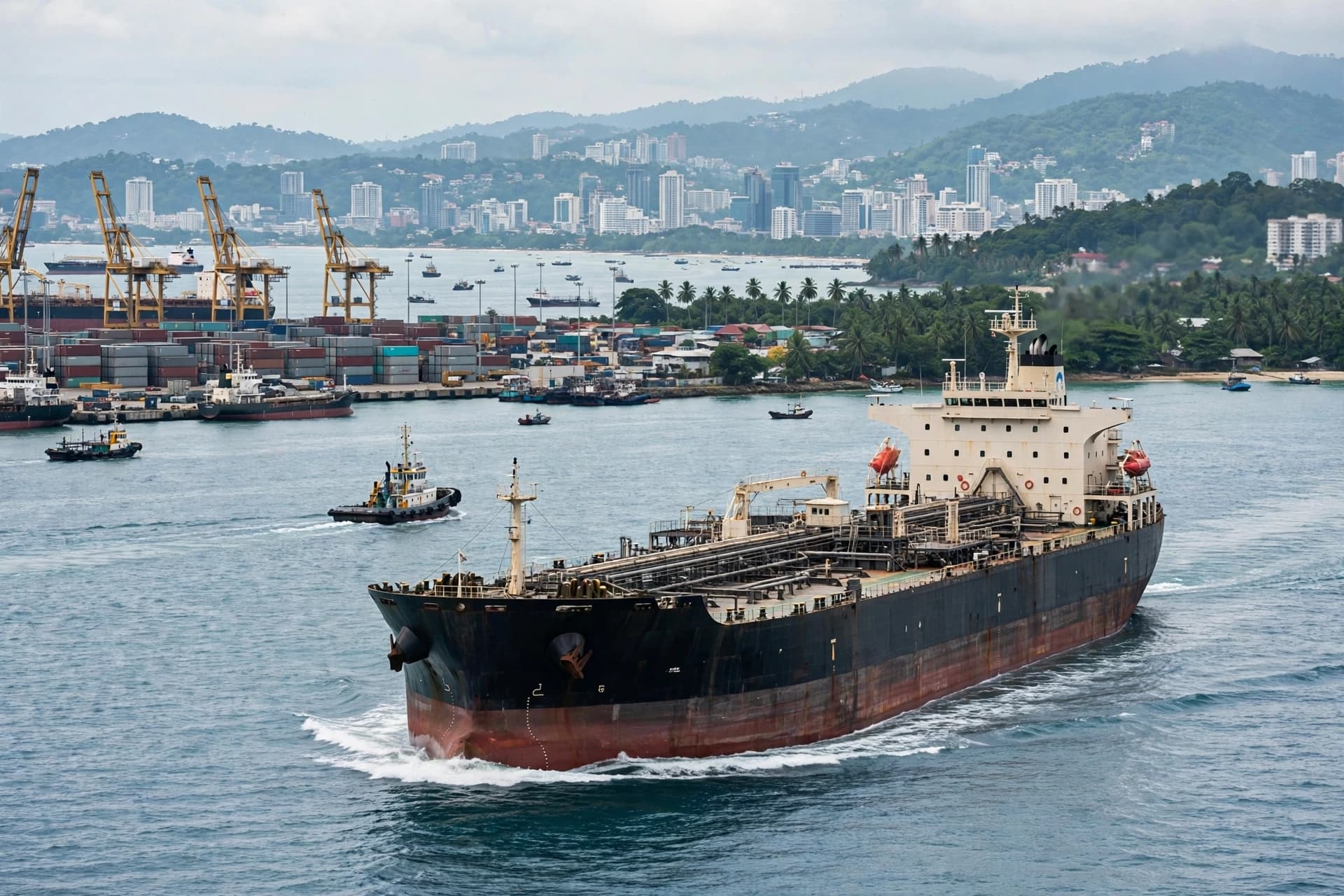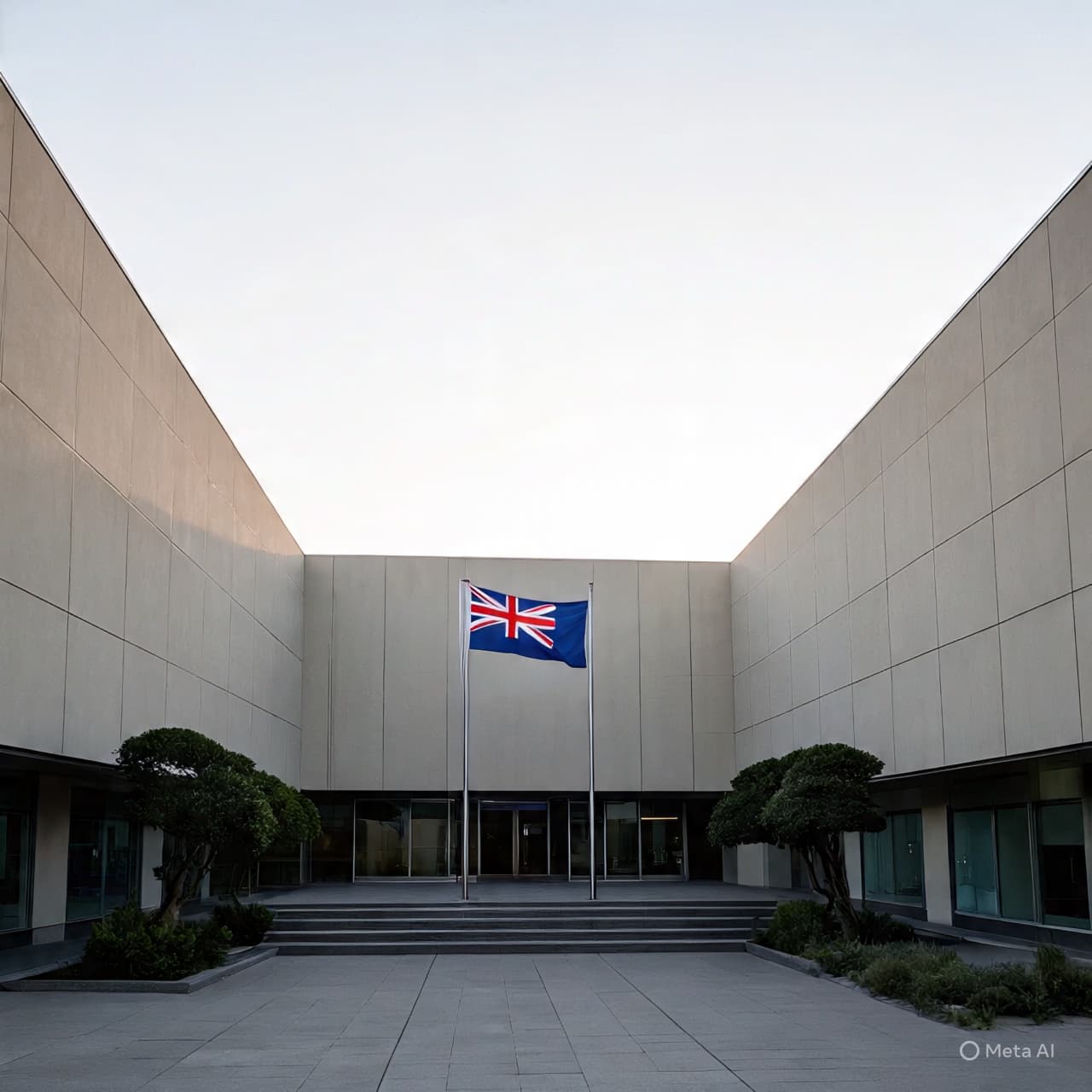
There are seasons when a nation’s finances resemble a ship at sea — steady enough on the surface, yet quietly pulled by deeper currents. Debt, like tide, does not retreat merely because we wish it to. It responds to discipline, to vigilance, and to the quiet architecture of rules that outlast political cycles. And so the call for a fiscal watchdog in New Zealand arrives not as a shout, but as a steady tapping at the door of public debate.
In a recent commentary, argues that politicians cannot be left alone to manage the country’s long-term debt trajectory without stronger, independent oversight. Writing in the , she suggests that while fiscal responsibility is often pledged, it is not always consistently practiced across electoral cycles. Governments, by nature, face pressures to spend in the present — to promise relief, growth, or investment — even as borrowing accumulates in the background.
The proposal centers on establishing an independent fiscal watchdog, an institution tasked with scrutinizing government spending plans, debt projections, and long-term sustainability. Such bodies already exist in several advanced economies, offering nonpartisan analysis intended to strengthen transparency. The argument is not that elected leaders lack concern, but that political incentives can sometimes blur the horizon. A watchdog, in this vision, would provide a steady reference point — less swayed by election calendars and more anchored in structural prudence.
New Zealand’s public debt remains manageable by international standards, yet pressures loom: aging demographics, infrastructure demands, climate adaptation costs, and global economic uncertainty. O’Sullivan’s column reflects a broader unease that fiscal guardrails, while present, may not be sufficiently insulated from political negotiation. She frames the issue less as accusation and more as structural design — asking whether systems should rely on goodwill alone, or whether independent oversight can strengthen credibility in financial markets and public confidence at home.
Supporters of the idea argue that a watchdog could enhance transparency, clarify trade-offs, and help voters better understand the long-term consequences of short-term decisions. Critics caution that creating another institution may complicate governance or duplicate existing Treasury functions. Yet even this debate underscores the central theme: how to balance democratic choice with fiscal durability.
The discussion now moves within policy circles and public forums. Whether the government chooses to formalize such oversight remains uncertain. What is clear is that the conversation about debt sustainability has shifted from numbers on a ledger to questions about institutional trust. As economic tides continue to ebb and flow, the proposal for a fiscal watchdog stands as one possible compass — offered for consideration rather than decree.
AI Image Disclaimer Illustrations were produced with AI and serve as conceptual depictions.
Sources
New Zealand Herald RNZ Stuff Interest.co.nz BusinessDesk
Published by Banx Network. This article is part of the Banx decentralized media programme, powered by the BXE token on the XRP Ledger.