In the early light of another trading day, financial markets around the world sometimes seem to whisper rather than shout. There is a rhythm to these moments, like the gentle lapping of waves at the shore before the tide turns — subtle signals that hint at larger currents beneath the surface. In recent days, that quiet has been disturbed by a headline that reads less like a routine entry in the economic diary and more like the beginning of a new chapter in international finance: a major global power appears to be in conflict with one of its most foundational partners on the financial stage, its largest creditor.
Across boardrooms and trading terminals, analysts and investors are retracing their steps to understand how such dynamics unfold. The United States, long reconciled to the complex dance of global capital, has taken steps that markets are interpreting as a bit more forceful than usual—a flurry of rhetoric and policy shifts that seem aimed at pressing another major economy over trade and geopolitical matters. These moves have unsettled the customary patterns of trade agreements and investment flows, nudging markets toward a cautious tone.
There is a kind of poetry in the way financial relationships evolve, shaped by trust as much as numbers. The ebb and flow of capital between nations can be likened to the interplay of river and sea: when one shifts course, the downstream effects can reach far beyond the point of origin. In this case, the reactions have included a slight retreat in stock futures and a migration toward traditionally safer assets such as precious metals, even as currencies like the U.S. dollar showed tentative slackening against others viewed as havens, such as the yen and Swiss franc.
At the heart of this unfolding story is the question of what it means when economic policy feels like contention. Trade deals paused or thrown into doubt, treaties that once seemed assured now under reconsideration, and the subtle recalibrations in markets all suggest a moment of realignment. For investors, such turning points are neither purely good nor bad; they are inflection points that compel reassessment and reflection.
And yet, just as a storm that gathers over open waters does not always break into full fury, the current situation reflects a tempered reaction rather than wholesale upheaval. Stock futures saw measured declines but not panic, and discussions at global forums such as the World Economic Forum in Davos are set to include these developments alongside broader economic conversations.
In this mosaic of policy, markets, and diplomacy, there is a narrative of interconnectedness that is both fragile and resilient. A creditor and debtor, bound by capital flows and shared economic futures, find themselves part of a larger dialogue — where the language of tariffs and treaties intersects with the rhythms of investment and confidence. Observers, whether seasoned analysts or casual market watchers, recognize that such episodes are part of the perennial story of global economics: a story shaped by both the gravity of history and the momentum of change.
In recent market activity, U.S. and European stock futures showed mild declines, while safe-haven assets such as gold and silver climbed to higher levels. The dollar weakened relative to other major currencies, reflecting investor caution amid the ongoing discourse around trade policy and international finance. European trade agreements are under reassessment following policy actions that have introduced uncertainty, and global economic forums are expected to witness continued discussion on these themes in the days ahead
AI Image Disclaimer (Rotated Wording)
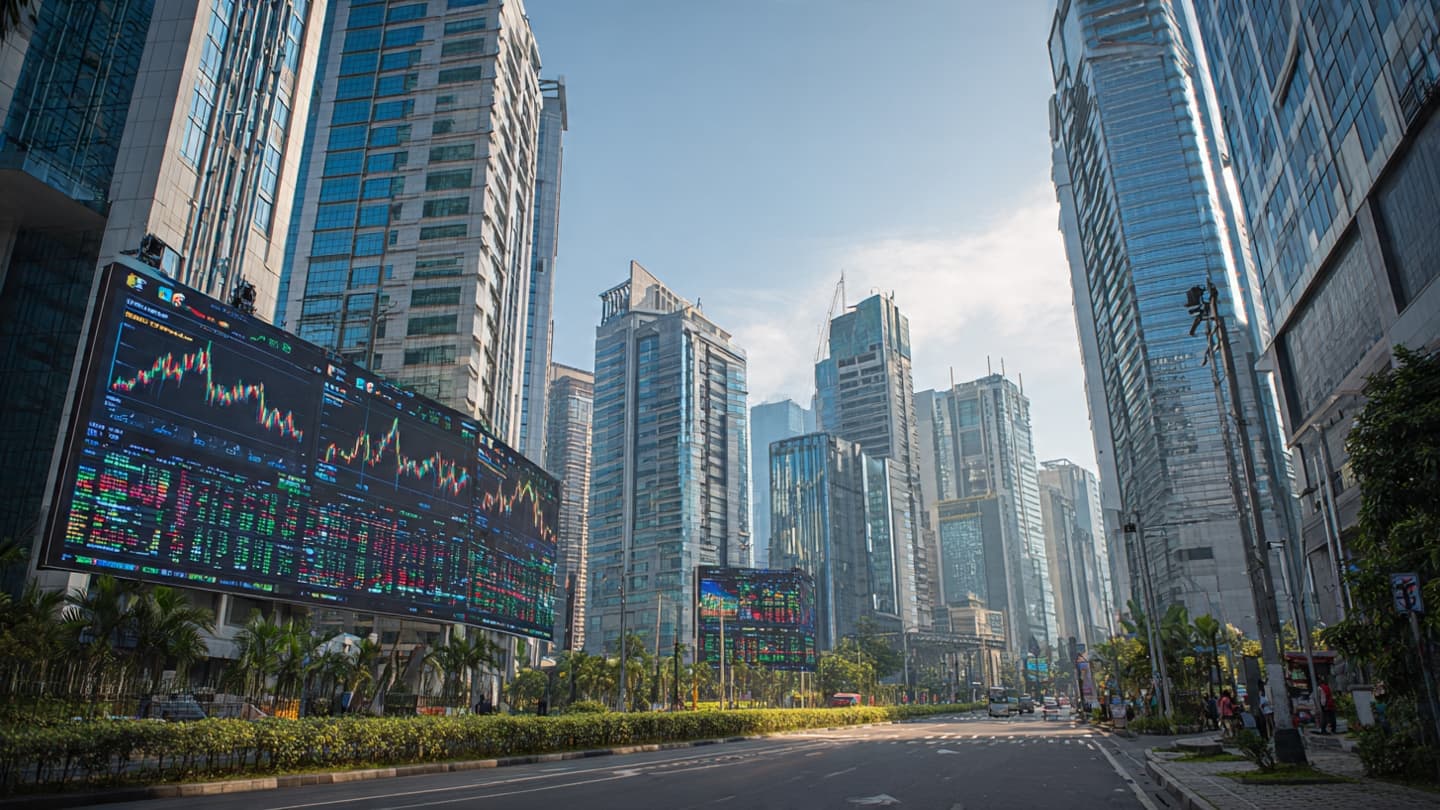
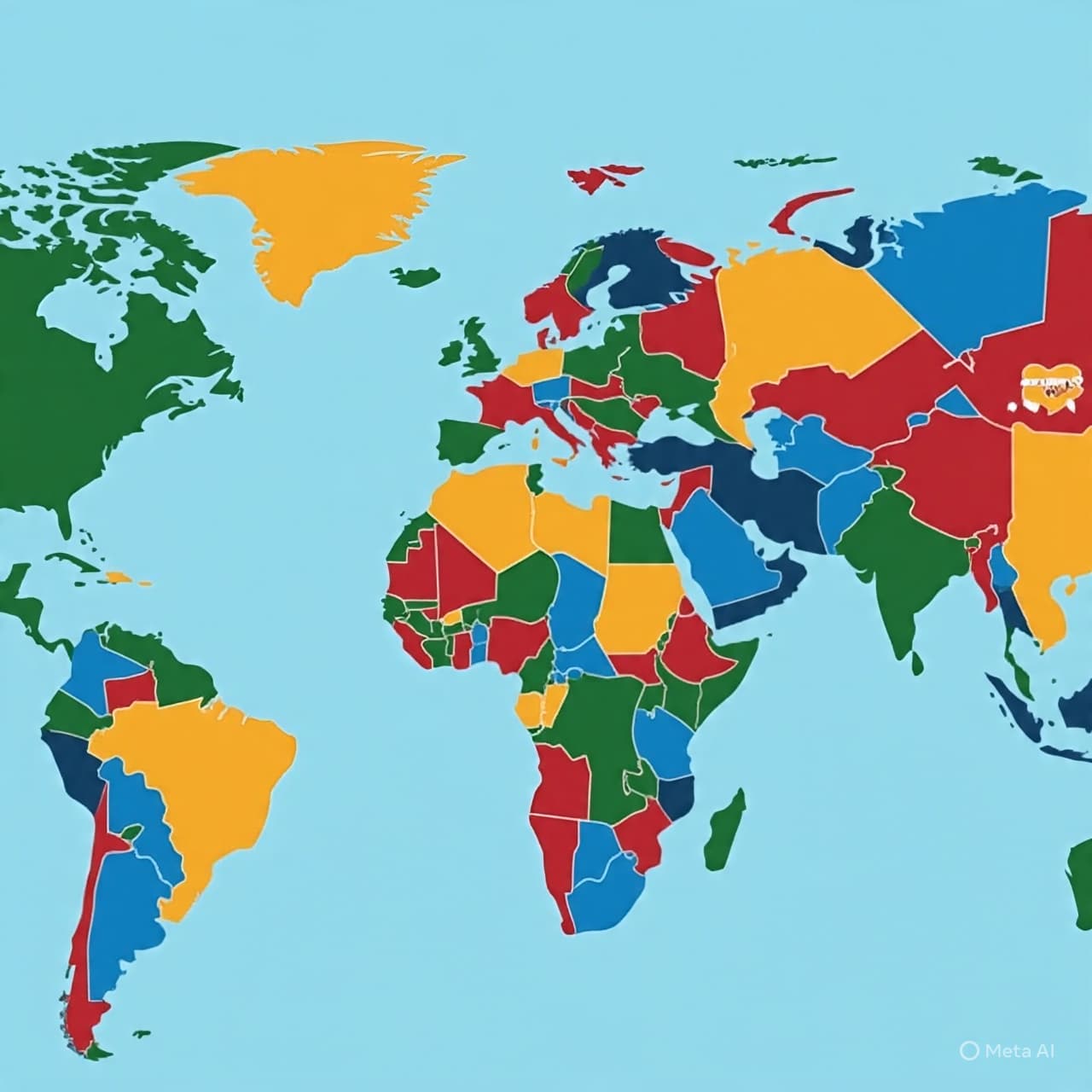
“Graphics are AI-generated and intended for representation, not reality.”
---
Sources
Reuters Investing.com TradingView (Reuters content) Yahoo Finance (Reuters content) Marketscreener (Reuters content)
Published by Banx Network. This article is part of the Banx decentralized media programme, powered by the BXE token on the XRP Ledger.