

Key Highlights
- Historic Strike:Faculty and staff at Portland Community College have initiated a strike, marking the first in Oregon's community college system.
- Union Representation:The strike involves two major unions representing approximately 2,300 employees, including 1,600 faculty members.
- Ongoing Negotiations:Negotiations between the college administration and union leaders are set to continue amid rising living costs and budget concerns.
On March 11, Portland Community College (PCC) became the center of a significant labor action as faculty members and support staff initiated a strike that is being described as historic. This marks the first strike in the history of Oregon's community college system, involving two of the institution's largest unions. The action follows nearly eleven months of negotiations that have failed to yield a satisfactory agreement regarding wages, cost-of-living adjustments, and benefits.
The unions involved represent around 2,300 employees, including approximately 1,600 faculty members and nearly 700 support staff. These individuals play crucial roles in the daily operations of the college, from teaching to administrative support and campus maintenance. The strike reflects broader trends in higher education, where financial pressures and inflation have increasingly impacted the ability of institutions to provide competitive compensation.
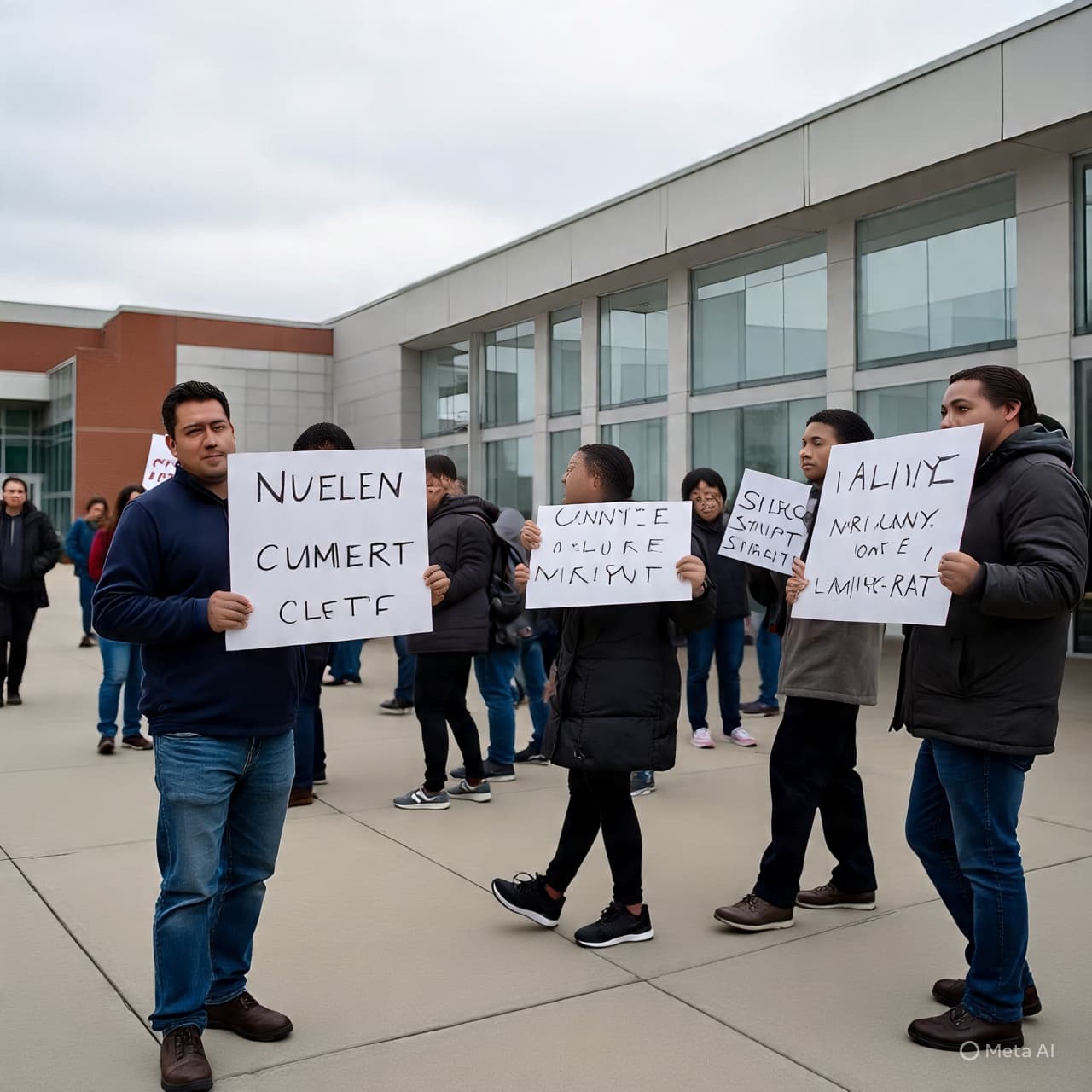
As the strike commenced, picket lines formed across multiple PCC campuses, with participants holding signs advocating for wages that align with the rising cost of living. The atmosphere was charged, with students and community members stopping to observe the demonstration. Many cars passing by honked in support, highlighting the solidarity among the community.
Union leaders have articulated that their demands include salary adjustments that would help employees keep pace with inflation. They argue that the current compensation does not adequately reflect the financial realities faced by workers. In response, college officials have pointed to broader financial uncertainties, including projected budget constraints and declining enrollment trends, as factors complicating negotiations.
The college's latest proposal included a wage increase spread over two years, which was an adjustment from previous offers that were significantly lower. However, this proposal has not yet bridged the gap between the two sides, leaving many employees feeling undervalued and undercompensated.
The timing of the strike is particularly critical, as it coincides with the end of the winter term and the approach of final exams. In light of the strike, PCC announced that operations would temporarily shift online, allowing students to continue their studies while negotiations are ongoing. This decision underscores the impact of the labor action on the academic calendar and the importance of resolving the dispute swiftly.
Strikes in higher education often carry symbolic weight, as they challenge the narrative of dialogue and negotiation that institutions typically promote. When educators take to the streets to advocate for their rights, it raises essential questions about how colleges and universities support their staff and the implications for the educational environment.
As negotiations continue, additional mediation sessions are scheduled in the coming days. For now, the campuses of Portland Community College are quieter than usual, with pathways shared by picket signs and students navigating the complexities of their academic responsibilities amid the ongoing labor dispute.
Published by Banx Network. This article is part of the Banx decentralized media programme, powered by the BXE token on the XRP Ledger.




