The law, like the society it serves, must constantly weigh competing truths. On one side stands the right of an accused person to mount a full and fair defense. On the other stands the fear that a complainant's past will be used not to illuminate the facts, but to shame and discredit. For decades, Canadian courts have walked this narrow line through section 276 of the Criminal Code, the so-called rape shield law. This week, the Supreme Court of Canada clarified where that line falls when the charges involve human trafficking and sexual services.
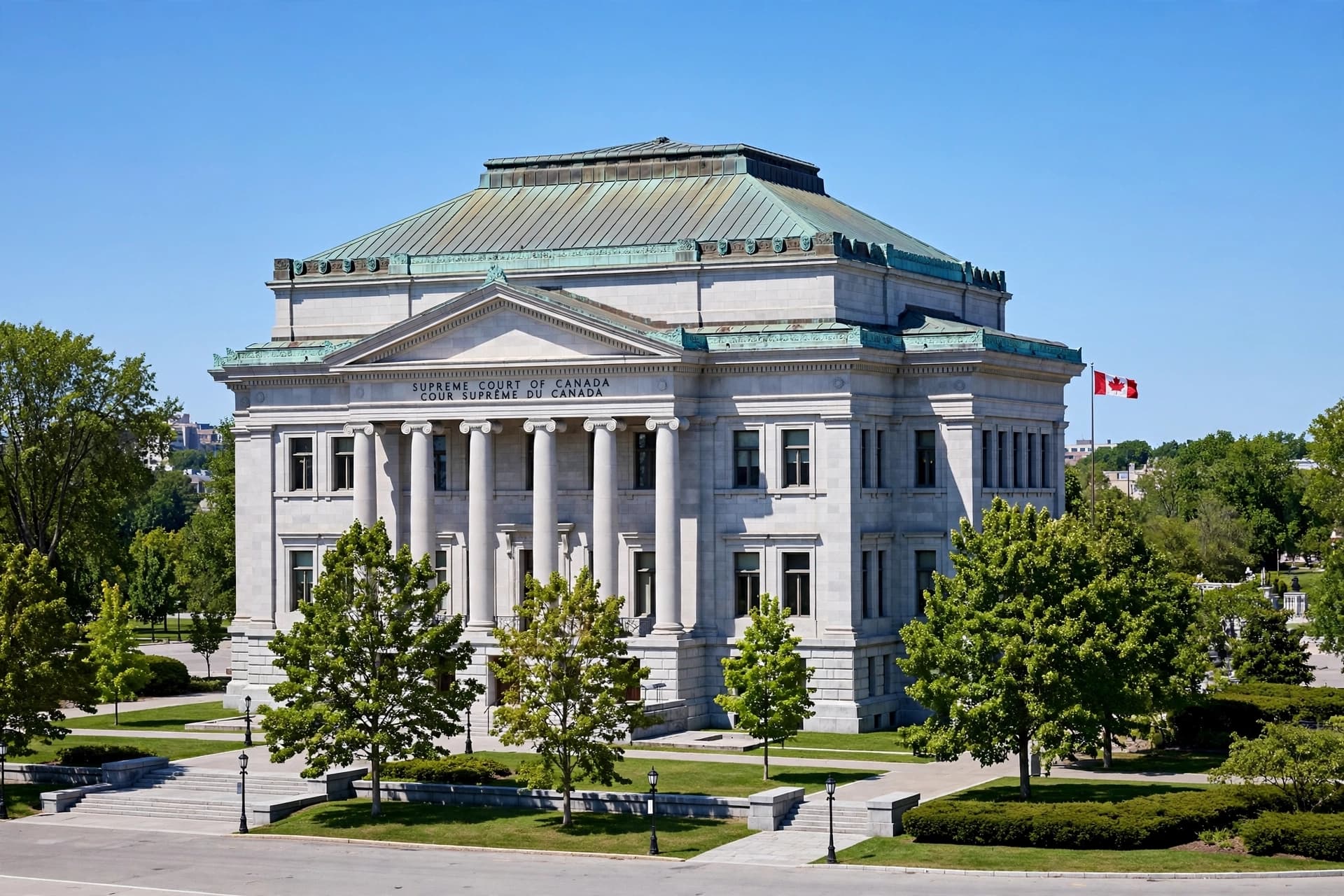
In a unanimous decision released Friday, the court upheld an Ontario Court of Appeal ruling that ordered new trials for two individuals accused of acting as pimps. The court found that the trial judge had erred by preventing the accused from cross-examining the complainant about the commercial aspects of her prior sex work . Justice Mary Moreau, writing for the court, explained that section 276 does not categorically apply to human trafficking and sexual services offenses because they are not listed among the specific crimes covered by the rape shield provision .
The distinction, Moreau wrote, is between evidence used to invoke harmful stereotypes and evidence used for legitimate inferences. In this case, the evidence in question focused on the commercial nature of the complainant's previous work, not its sexual nature. It was introduced to suggest that she had previously worked in the sex trade voluntarily, rather than being lured or exploited by the accused . "While evidence of a complainant's prior sex work should not be adduced to show a propensity to engage in sex work or sexual activity generally, such evidence may be relevant for other legitimate inferential purposes," Moreau wrote .
The decision has drawn a range of responses. Jeffery Couse, a lawyer for one of the accused, said the ruling "helpfully illustrates the distinction between inferences that arise from evidence of other sexual activity that are legitimate versus illegitimate" . But Angela Marinos, representing an intervenor in the case, expressed concern about the court's characterization of stereotypes as a "subtle threat." "Respectfully, I think it's much more than a 'subtle' threat," she said. "If harmful stereotypes and myths were only a 'subtle threat,' we would no doubt see higher reporting and conviction rates involving these offenses" .
It is worth noting that Parliament's recent Protecting Victims Act has already broadened section 276 to cover offenses "of a sexual nature" more generally. The Supreme Court's decision interprets the prior version of the law, which still applies to charges laid before the new legislation came into force . The court's role, as Moreau described it, is to "balance the elimination of myths and stereotypes in sexual offense cases with the accused's right to full answer and defense" . That balance, always delicate, has now been recalibrated. The trials will proceed, and the courts will apply the law as clarified.
AI Image Disclaimer: The accompanying visual is AI-generated and does not depict the actual individuals or proceedings involved.
Sources: The Canadian Press, Canadian Lawyer Magazine, Toronto Star, CityNews Vancouver, Law360 Canada
Published by Banx Network. This article is part of the Banx decentralized media programme, powered by the BXE token on the XRP Ledger.