
Key Highlights
- Denmark's last postbox is set to be removed, signaling the end of an era.
- The decision reflects a long-term decline in letter volumes due to digital communication.
- Postal services will continue through staffed locations despite the removal.
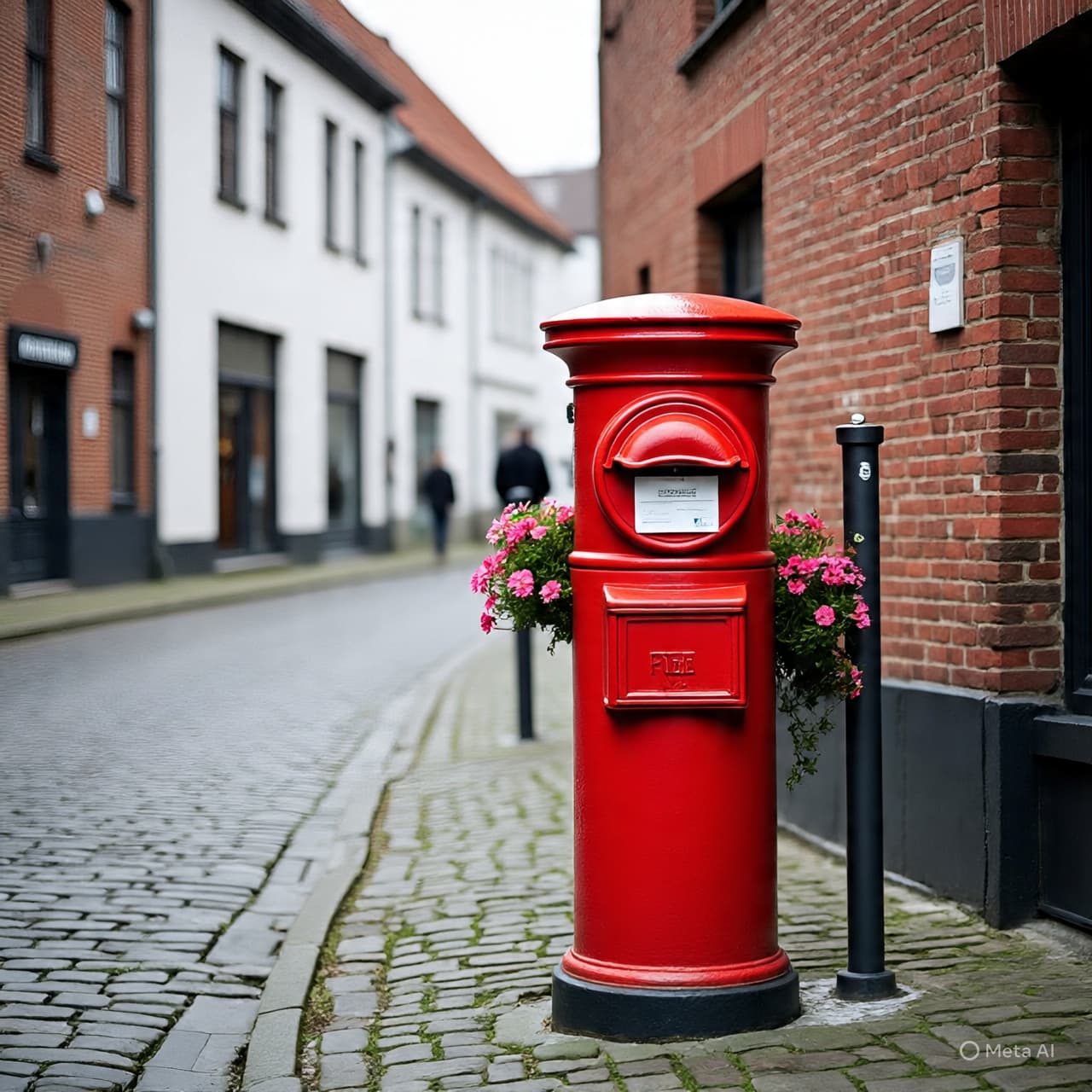
Denmark is on the verge of a significant change as its last remaining postbox prepares for removal, a decision announced by postal officials. This marks the conclusion of a once ubiquitous fixture in daily life, which has quietly faded into the background as digital communication has taken precedence over traditional mail. The removal of the postbox symbolizes not just a logistical shift but also a cultural transition in how Danes communicate.
The Danish postal service has been gradually reducing the number of postboxes over the years, citing a consistent decline in letter volumes and rising operational costs. What was once a robust network of postboxes, serving as vital points for everyday correspondence, has dwindled to a single, symbolic remnant. Officials have stated that while the postbox will be removed, alternative postal services will still be available through staffed locations and parcel-focused infrastructure, ensuring that residents can still send and receive mail.
Denmark is recognized as one of the most digitally connected countries in the world. Government services, banking, and personal communication have largely transitioned online, which has accelerated the decline of traditional letter writing. For postal operators, maintaining a nationwide letter collection system has become increasingly difficult to justify in light of these changes. The last postbox's removal is a practical decision reflecting the realities of modern communication.
However, the emotional impact of this change is not lost on many residents. Postboxes have represented more than just a means of sending mail; they have been integral to the streetscape and the rhythm of civic life. Their disappearance signifies a shift not only in efficiency but also in the cultural fabric of communication. For many, the postbox was a familiar sight, a tangible connection to the act of sending and receiving messages.
Postal workers’ unions and historians have expressed concern that the removal of the last postbox closes a significant chapter in Denmark’s public service history. While the demand for parcels and logistics continues to grow, the social role of the postal service has diminished, increasingly shaped by the need for speed and convenience rather than the ritual of letter writing. This change reflects broader trends in society, where digital interactions have largely supplanted physical correspondence.
Officials have emphasized that the decision to remove the postbox is practical rather than symbolic. They assure the public that letter services will continue where necessary, albeit without the familiar red box that has served as an everyday interface between citizens and the mail system. As the last postbox is taken away, the immediate aftermath is expected to be uneventful. The street may appear slightly emptier, and daily routines may feel subtly altered, but Denmark will continue to move forward, quietly and efficiently, leaving behind an object that once played a crucial role in bridging distances through written words.
As Denmark embraces this digital future, the removal of the last postbox serves as a poignant reminder of the changing landscape of communication and the cultural shifts that accompany it.
Published by Banx Network. This article is part of the Banx decentralized media programme, powered by the BXE token on the XRP Ledger.



