In the delicate architecture of diplomacy, embassies are like lanterns placed along a darkened shoreline—signals of presence, dialogue, and cautious hope. When one of those lanterns dims, the night feels heavier. The decision by the United Arab Emirates to close its embassy and withdraw its ambassador from Tehran following recent Iranian attacks is not merely an administrative adjustment. It is a gesture that echoes across the waters of the Gulf, stirring questions about trust, security, and the fragile choreography of regional balance. The move comes in the wake of heightened tensions triggered by Iranian military actions that have unsettled neighboring states and drawn international concern. While details of each maneuver are parsed by analysts and officials alike, the diplomatic response from Abu Dhabi carries its own quiet weight. Closing an embassy is rarely impulsive; it is often the culmination of careful deliberation, a signal conveyed in measured tones rather than raised voices. For years, relations between the UAE and Iran have moved in subtle rhythms—sometimes tense, sometimes cautiously cooperative. Trade links have endured even during political strain, and geography has ensured that neither side can afford complete disengagement. The Strait of Hormuz, that narrow maritime corridor through which much of the world’s energy supply flows, binds the region in shared vulnerability. When tensions flare, the tremor is felt not only in capitals but in global markets. By recalling its ambassador, the UAE appears to be recalibrating its diplomatic posture. The withdrawal does not necessarily close the door permanently; rather, it suggests a pause, a moment of reassessment. In diplomatic language, such steps are often described as temporary or precautionary, designed to signal concern while preserving space for future dialogue. Regional observers note that Gulf states have increasingly sought stability through de-escalation in recent years. Efforts to mend ties, reopen channels, and reduce direct confrontation have shaped much of the recent diplomatic landscape. Against that backdrop, the current development feels like a step backward—a reminder that reconciliation, like any fragile bridge, must withstand sudden gusts of geopolitical wind. International reactions have been measured. Global powers have urged restraint, emphasizing the importance of dialogue over escalation. Markets have watched closely, particularly energy traders mindful of how regional instability can ripple outward. Yet beneath the calculations and policy statements lies a more human dimension: diplomats packing documents, security staff securing compounds, families preparing to depart. The closure of an embassy is both symbolic and practical. It alters the flow of information, slows negotiation, and reduces the informal conversations that often prevent misunderstandings from hardening into crises. In that sense, the absence of a diplomatic presence can sometimes speak louder than formal protest. Still, history suggests that diplomatic winters can give way to cautious springs. The Gulf has witnessed cycles of tension before, followed by gradual thawing. Whether this latest development marks a prolonged chill or a brief interruption remains uncertain. Much will depend on subsequent actions—whether rhetoric softens, whether back channels remain open, whether regional actors choose caution over confrontation. For now, the lantern along the Tehran shoreline has been dimmed by Abu Dhabi’s hand. The waters remain navigable, but the path forward requires steady judgment from all sides. The UAE’s decision stands as a reminder that in international relations, silence and distance can carry as much meaning as speeches and summits. The coming weeks will reveal whether this pause becomes a turning point or merely a footnote in the region’s long, intricate story.
AI Image Disclaimer
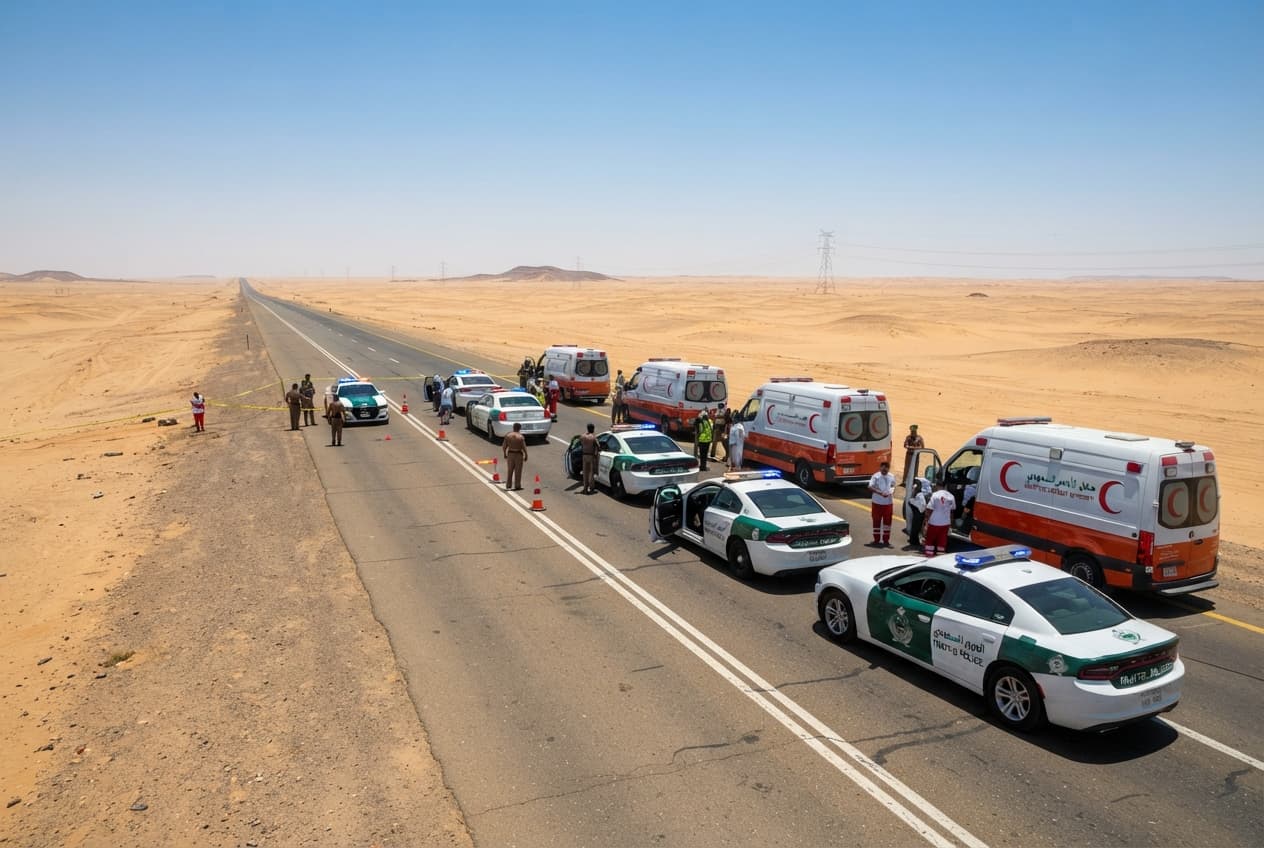
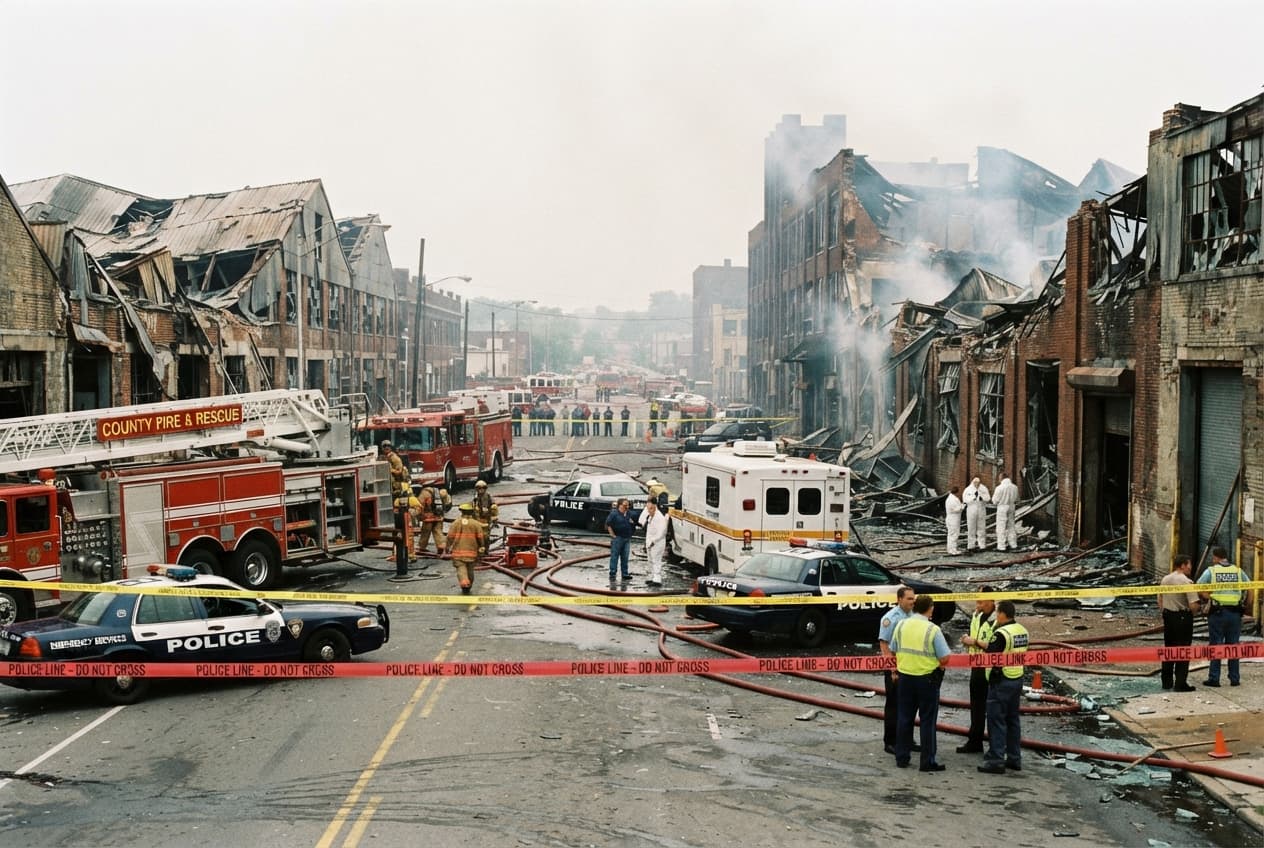
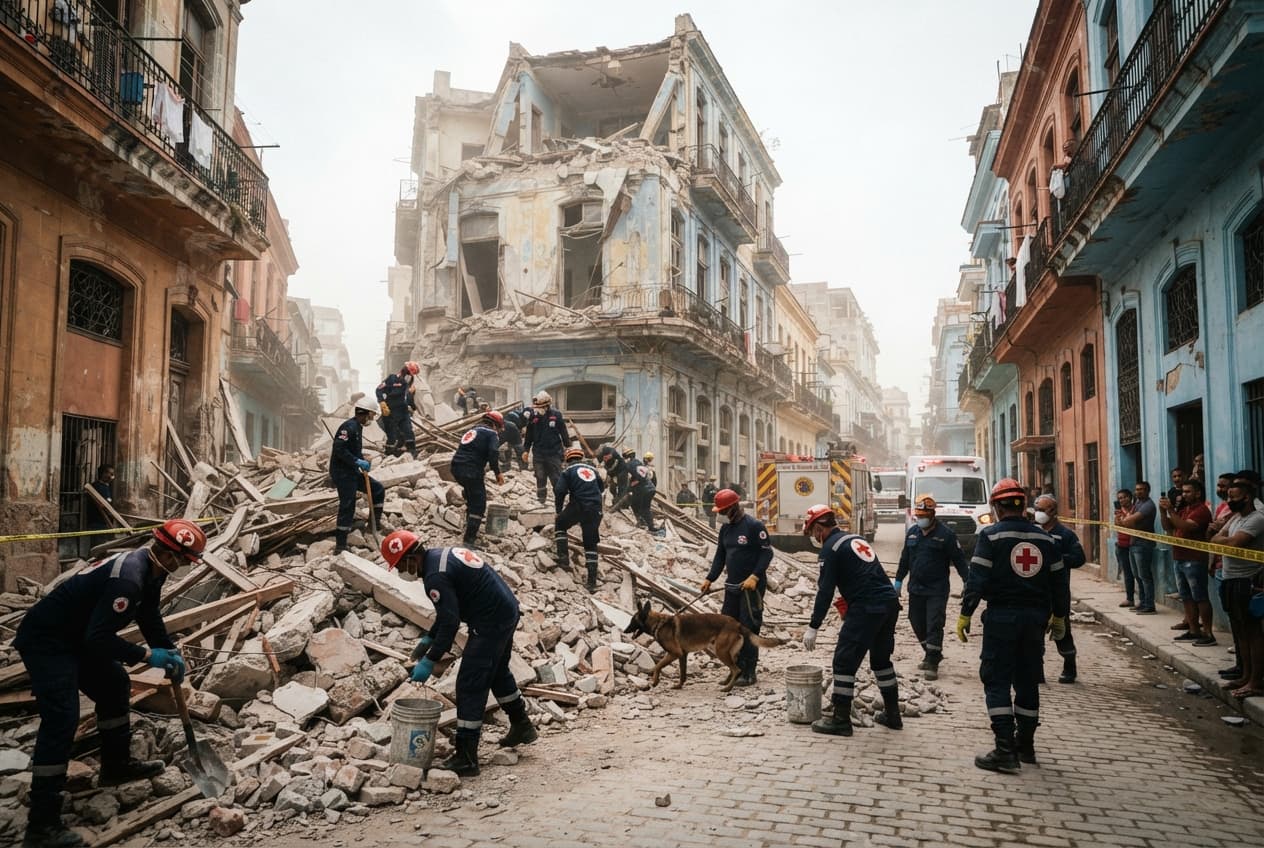
Visuals are created with AI tools and are not real photographs.
SOURCE CHECK
Credible mainstream and regional media covering developments related to diplomatic tensions between Iran and the United Arab Emirates include: Reuters Associated Press Al Jazeera The National (UAE) BBC News
Published by Banx Network. This article is part of the Banx decentralized media programme, powered by the BXE token on the XRP Ledger.