
Key Highlights
- Japanese universities are adapting to shifting global education rankings.
- Institutions are implementing reforms to enhance research and international collaboration.
- The balance between tradition and modernity is crucial for academic excellence.
Japanese universities are currently navigating a complex landscape shaped by shifting global education rankings. As highlighted in recent reports from Times Higher Education, these elite institutions face increasing competition from regional hubs, necessitating a reevaluation of their strategies to maintain relevance and prestige. The challenge lies not only in competing for higher rankings but also in redefining what it means to be a center of learning in the 21st century.
In this context, universities like the University of Tokyo and Kyoto University are at the forefront of this transformation. They are not merely reacting to external pressures; they are engaging in a profound inquiry into their educational missions. This involves a delicate balance between preserving the unique depth of the Japanese academic spirit and embracing the interconnectedness that modern education demands. The goal is to cultivate an environment that fosters both intellectual rigor and global engagement.
The evolution of the curriculum reflects this shift. Traditional subjects are being reexamined through the lens of contemporary global challenges, such as climate change and social justice. This recalibration aims to equip students with the skills necessary to navigate an increasingly unpredictable world. The university is transforming from a static repository of knowledge into a dynamic laboratory for innovation and critical thinking.
Moreover, the struggle for position in global rankings is emblematic of a larger narrative about institutional identity. Japanese universities are rethinking how they share research, teach students, and interact with their communities. This process is marked by a quiet determination to uphold the quality of education while adapting to the demands of a globalized marketplace of ideas. The adjustments may seem subtle—a new international partnership here, a revised research focus there—but collectively they signify a significant shift in the trajectory of Japanese higher education.
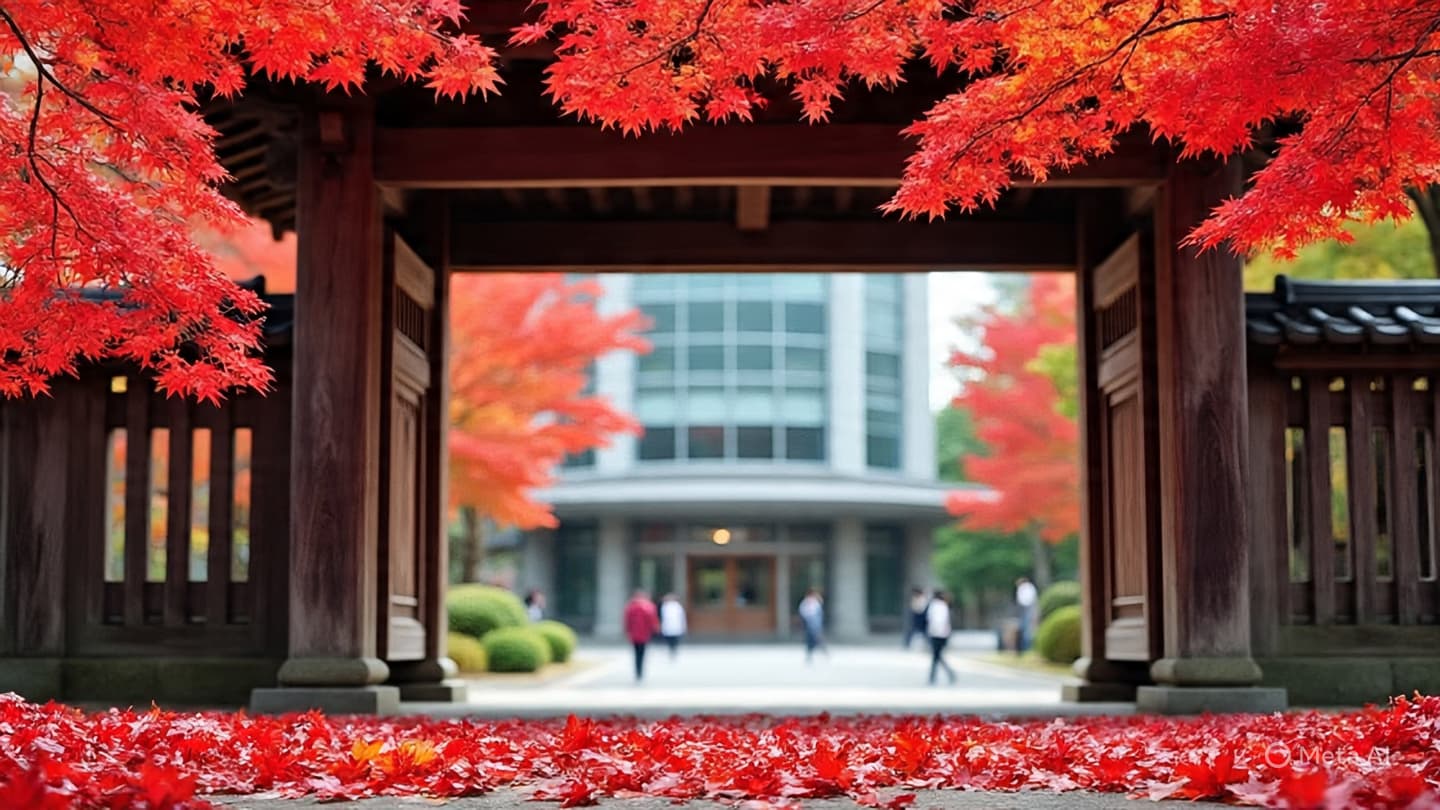
As students gather in common areas, their discussions reflect a blend of traditional values and modern aspirations. They are the future leaders, and their education is being tailored to provide them with the tools necessary for success in a global context. The university experience is evolving, emphasizing not just academic achievement but also personal growth and social responsibility.
As the sun sets on these historic campuses, the commitment to excellence remains steadfast. While the metrics of success may fluctuate, the essence of learning—rooted in curiosity and the pursuit of truth—endures. Japanese universities are meeting the challenges of the global stage with a blend of traditional rigor and modern openness, ensuring their contributions to global wisdom remain vital. This narrative of resilience underscores the enduring power of knowledge as Japan continues to navigate the complexities of the modern world.
Published by Banx Network. This article is part of the Banx decentralized media programme, powered by the BXE token on the XRP Ledger.



