
Key Highlights
- Helsinki Airport experienced an unexpected closure due to an aerial intrusion.
- The incident reflects growing geopolitical tensions affecting air travel.
- Travelers faced significant disruptions as operations were halted for hours.
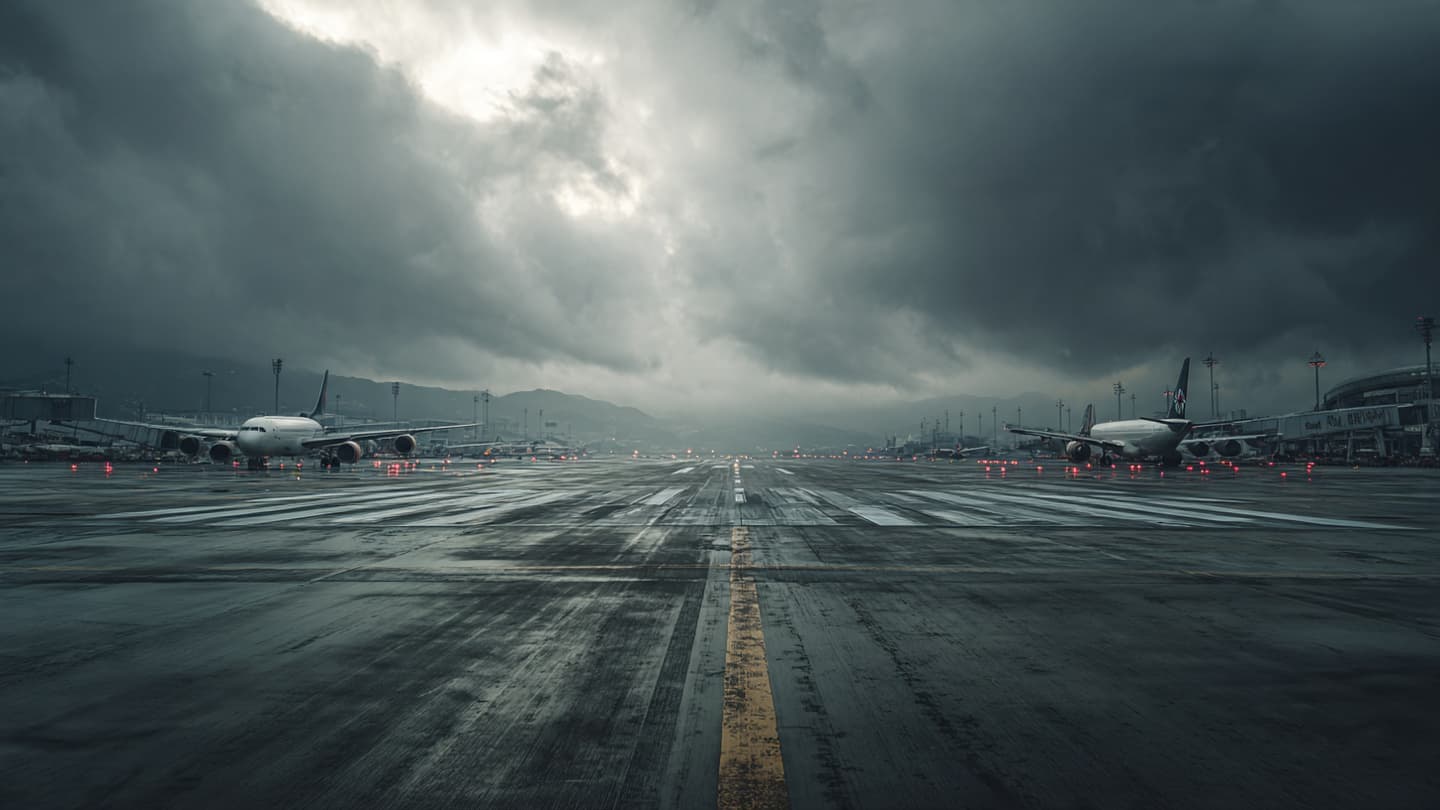
Helsinki Airport, a vital hub in Northern Europe, faced an unprecedented closure recently, marking a significant moment in the context of rising geopolitical tensions. The airport's operations came to a standstill as authorities responded to an unverified aerial intrusion, leaving travelers stranded and the usually bustling terminal enveloped in an unusual silence. This incident not only disrupted air travel but also served as a stark reminder of the fragile nature of security in an increasingly interconnected world.
The closure lasted several hours, during which the airport's infrastructure stood idle, filled with the anxious murmurs of travelers awaiting updates. The decision to halt all flights was not taken lightly; it reflected a growing awareness of vulnerabilities in the region's airspace. Authorities treated the situation with urgency, indicating that the threat was not merely a technical glitch but part of a broader, unsettling reality.
As the skies above Helsinki fell silent, the implications of this disruption resonated far beyond the airport's boundaries. The incident highlighted how the modern sky, once viewed as a safe corridor for commercial travel, can quickly become a stage for geopolitical strife. The presence of unidentified aerial objects has the potential to alter the movements of thousands, reminding us that the echoes of distant conflicts can reach even the most serene locations.
Ground crews and security personnel worked diligently to assess the situation, scanning radar screens for any signs of the unidentified presence. The atmosphere in the terminal shifted from one of routine travel to a heightened state of alert, as passengers grappled with the reality that their safety could be compromised by factors beyond their control. Each delayed flight became a symbol of the delicate balance between everyday life and the unpredictable nature of global tensions.
As evening approached, the airport began to resume operations, but the sense of normalcy was tinged with caution. The roar of jet engines returning to the skies felt less like a return to business as usual and more like a tentative reclamation of airspace. The incident left an indelible mark on the collective consciousness of those present, a reminder that the world is not as secure as it once seemed.
Ultimately, the brief paralysis of Helsinki Airport serves as a poignant reflection of our current historical moment. It encapsulates the intertwining of global uncertainties with the fabric of daily life, where even the most routine activities can be disrupted by unseen forces. As travelers resumed their journeys, the weight of the day's events lingered in the air, a silent acknowledgment of the complexities that define our times.
Published by Banx Network. This article is part of the Banx decentralized media programme, powered by the BXE token on the XRP Ledger.



