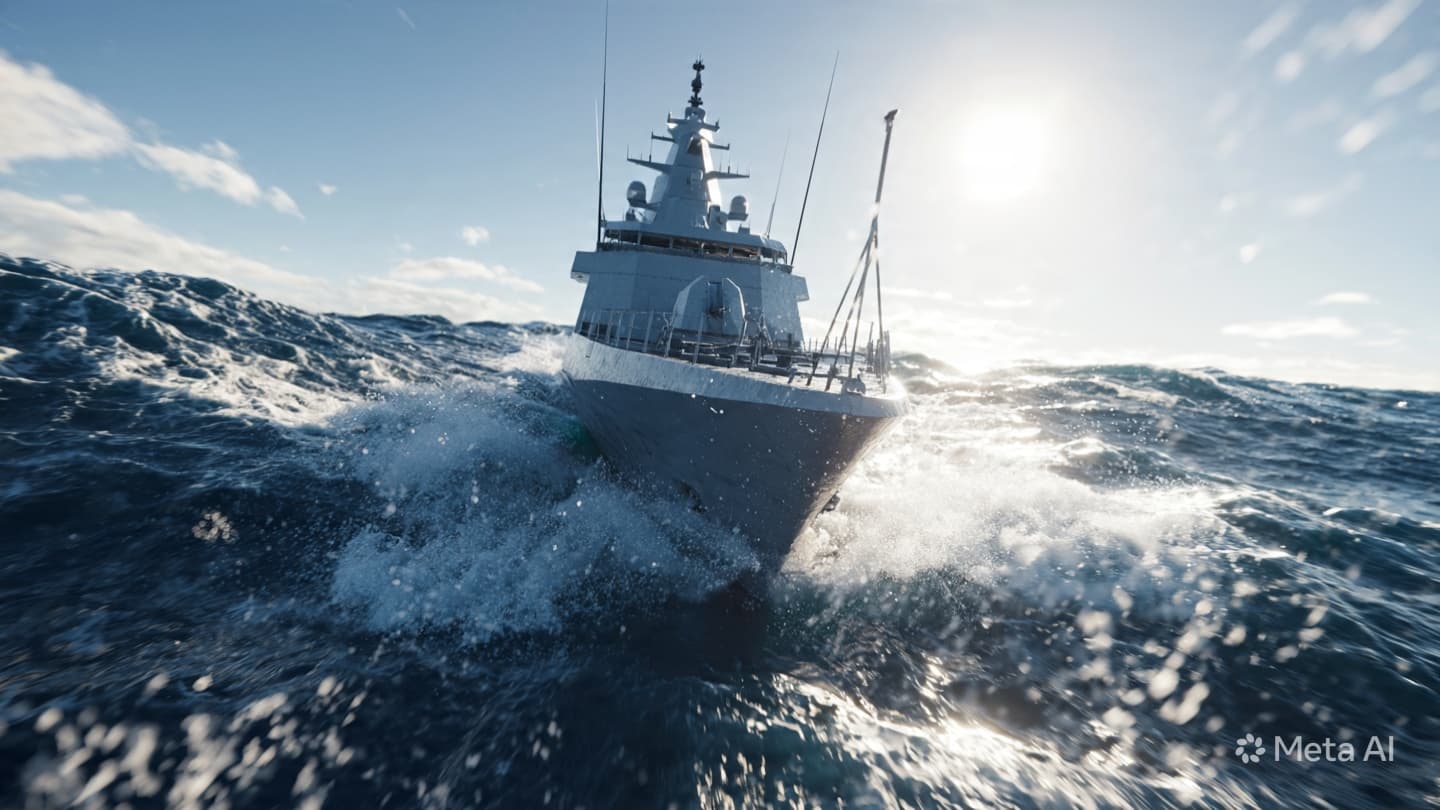
The vast, undulating expanse of the Gulf of Guinea exists in a permanent, shifting dialogue with the global economy, its deep-water shipping lanes serving as a vital maritime superhighway that links West African ports to international markets. Along these high-volume corridors, commercial trawlers and cargo freighters navigate the rolling swells day and night, their holds laden with the regional catches and trade commodities that sustain coastal economies. For the merchant mariners who staff these vessels, the sea is a place of grueling labor and predictable natural rhythms, a long journey across open horizons where safety is measured by structural integrity and navigational precision. Yet, this fluid mobility holds an underlying vulnerability, a fragile reality where the peace of the open water can be shattered by a sudden, predatory intervention from the waves.
To experience a pirate attack on a lone commercial trawler is to witness an abrupt, terrifying suspension of maritime order and human motion. The armed maritime syndicates who frequent the unmonitored blind spots of the coast do not merely target high-value cargo; they disrupt the foundational security that allows international commerce to flow freely through territorial waters. Emerging from the ocean spray in high-speed skiffs, they transform a routine fishing voyage into a tense, heavy theater of compliance, using the threat of force to overwhelm the crew and seize control of the bridge. It is an isolated, desperate confrontation played out on the metal decks under an indifferent horizon, stripping mariners of their safety in a matter of minutes.
The recent capture of three sea pirates by the Togolese naval forces marks a decisive, crucial intervention against this pattern of maritime lawlessness, bringing a hard-won sense of relief to the regional shipping community. Moving on real-time radar data and distress signals broadcast from the vulnerable vessel, naval patrol craft executed a high-speed interception to neutralize the boarding party before they could steer the trawler into international waters. The operation was executed with an observant, methodical precision, the securement of the suspects accomplished with tactical restraint, effectively demonstrating the state's capacity to project sovereign authority beyond its coastlines.
There is a distinct economic and psychological weight that settles over a maritime corridor following a wave of offshore incursions. The ocean is no longer perceived as a neutral highway linking global ports; it becomes a space to be navigated with deep caution, its remote fishing grounds and anchorage zones viewed through a lens of potential ambush. This persistent anxiety inflates insurance premiums for the entire shipping industry and forces commercial operators to invest in private security teams, an artificial financial burden that chokes regional trade. The swift enforcement action by naval authorities serves as a necessary stabilization, proving that the shipping lanes remain under the protection of statutory maritime law.
As the three detainees are transferred to the mainland for formal processing under military guard, the physical files of the case begin to map the internal mechanics of the piracy network. These operations require substantial logistics, including hidden coastal bases, specialized ocean craft, and a pipeline of illegal brokers capable of liquidating stolen maritime assets. The successful capture provides critical data points for intelligence analysts working to dismantle the transnational syndicates that fund these maritime raids. The day ends with the Togolese waters returning to their familiar, rhythmic swell, the lights of commercial trawlers dotting the evening horizon, their journeys safeguarded by a renewed commitment to vigilance across the waves.
Published by Banx Network. This article is part of the Banx decentralized media programme, powered by the BXE token on the XRP Ledger.