In the quiet rhythm of hospital corridors, where beeping monitors and hushed footsteps are ordinary companions, an unsettling guest can sometimes slip through unnoticed. Just as a gentle breeze might carry a stray seed into a garden, so too can microscopic spores drift into spaces where the vulnerable gather. In Sydney’s Royal Prince Alfred Hospital, a cluster of fungal infections — rooted in Aspergillus, a common environmental mould — grew into a serious health concern that left two transplant patients dead and others gravely ill, and recently brought to light visible mould within the hospital structure itself.
For months, the details of what happened in the transplant ward remained largely within clinical circles. The delicate balance in care of immunocompromised patients makes a hospital both a sanctuary and a place where risk must be carefully managed. Aspergillus, though usually harmless to healthy individuals, finds fertile ground in those whose immune defenses are subdued by disease and treatment. There, the fine spores can take root like a stubborn weed, their presence unnoticed until they sprout in ways that can overwhelm fragile systems.
The outbreak was first identified late in 2025 and later linked by health authorities to the hospital’s substantial $940 million redevelopment project. Construction — much like wind stirring dust in an open field — was believed to have disturbed spores that then entered sensitive care areas. In response, specialised teams deep‑cleaned the affected ward, upgraded air filtration systems, conducted thorough air testing, and temporarily relocated patients while the work was done. In early February, after expert review, the ward was cleared to reopen.
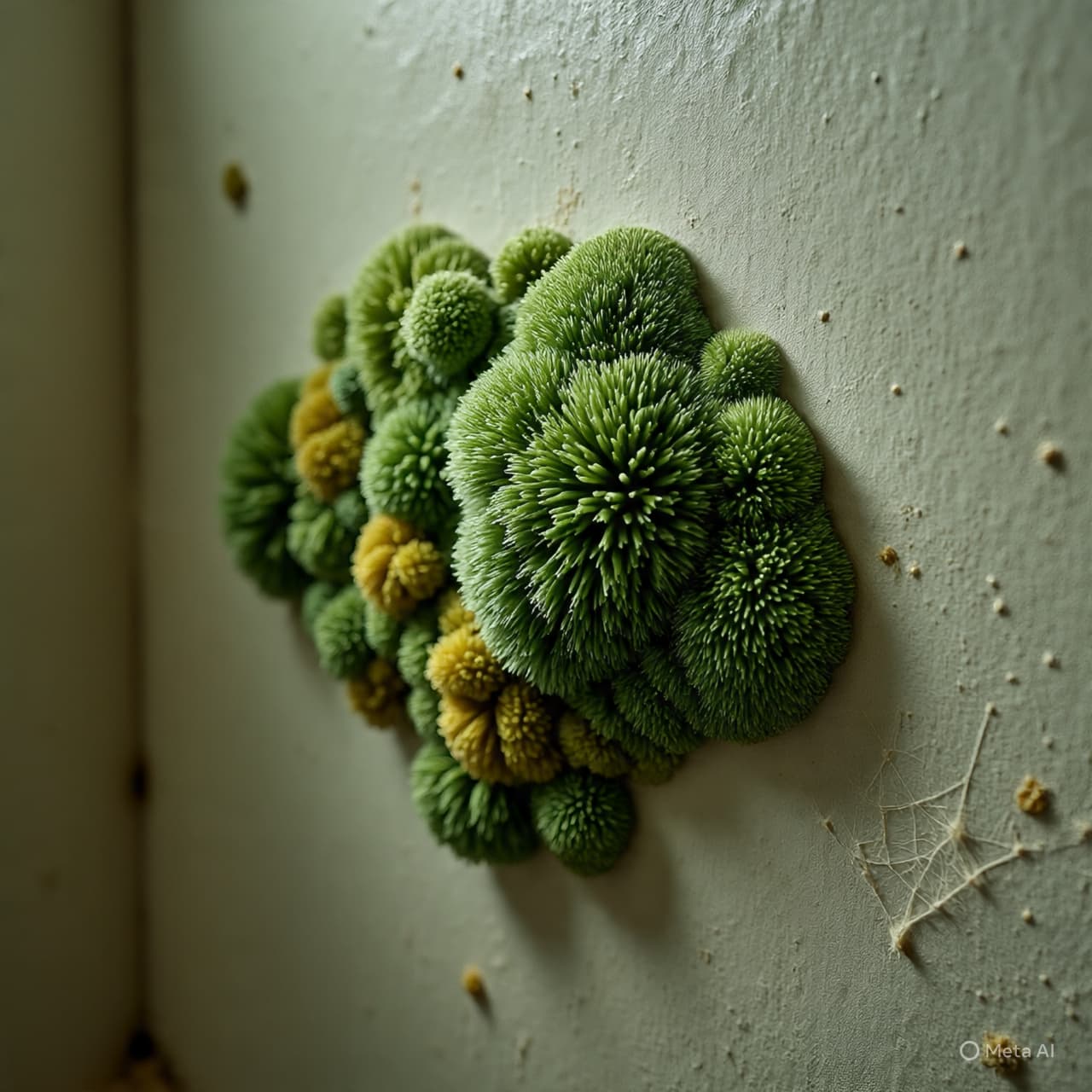
Yet even as remediation was underway, physical mould samples were found in parts of the hospital beyond the transplant unit, prompting wider inspections and discussion about environmental controls in health facilities. Health officials have described mould presence in ageing and weather‑exposed buildings as not uncommon, attributing some occurrences to factors like heavy rainfall or moisture ingress unrelated to clinical environments. They emphasise that testing has shown no ongoing air contamination in critical patient areas.
The unfolding situation has drawn public and political attention, with some critics questioning whether information should have been shared earlier and more broadly. Authorities have defended their approach, saying that once the risk was identified, affected patients, staff, and clinicians were notified, and that wider public communication was managed in a way that balanced transparency with avoiding unnecessary alarm.
In the end, the story at RPA is both a lesson and a reminder — that even common elements of nature, like mould, can have profound consequences when they intersect with human vulnerability; and that in healthcare, vigilance and care extend beyond treatment beds into the very walls that shelter them.
In recent statements, health authorities reaffirmed their commitment to patient safety, pointing to enhanced infection control measures and ongoing investigations. The hospital and local health district extend condolences to the families affected and continue monitoring to ensure that the temporary intrusion of mould remains contained and under control.
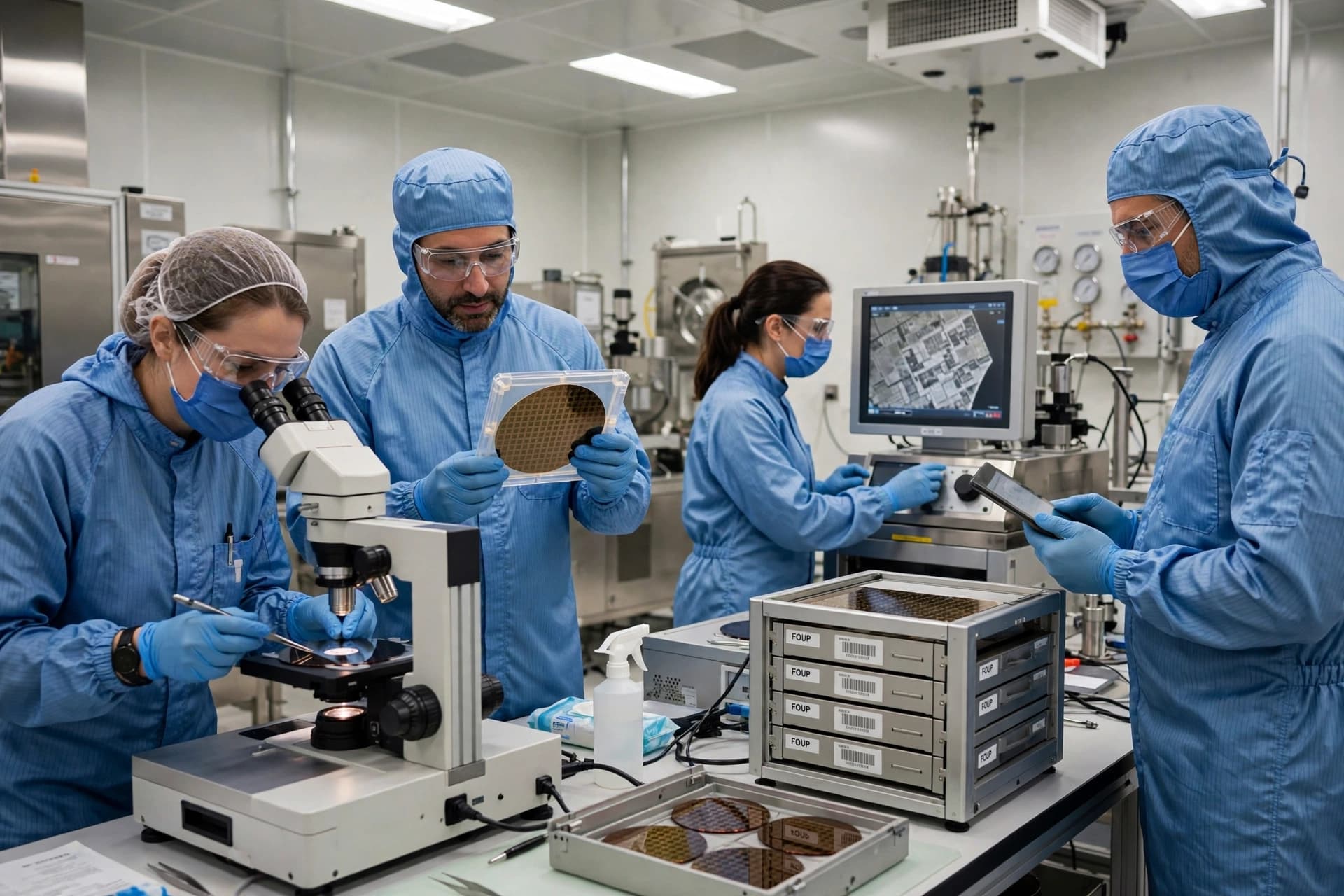
AI Image Disclaimer “Visuals are created with AI tools and are not real photographs, intended for representation only.”
Sources (5 media names): The Guardian, ABC News, Brisbane Times, SBS News, The New Daily.
Published by Banx Network. This article is part of the Banx decentralized media programme, powered by the BXE token on the XRP Ledger.

.jpg&w=3840&q=75 "Qantas Grounds Plane After Passengers Report Bedbug Bites")