The commercial district of San Fernando is a place defined by its industrious spirit, where warehouses and retail storefronts have stood for generations as symbols of local economic resilience. The rhythm here is one of constant movement—the unloading of containers, the negotiation of wholesale prices, and the steady hum of air conditioning units fighting the tropical heat. At night, these structures become dark, silent vaults, containing the livelihoods of hundreds of families who depend on the stock secured behind their steel doors.
The quiet of the early morning hours was shattered by an illumination that did not come from the dawn. Flames, thick and intensely hot, erupted from the center of a major commercial complex, quickly consuming the synthetic materials and timber roof structures within. The fire was visible from miles away, a pillars of crimson and black that illuminated the city’s skyline and drew hundreds of anxious onlookers to the perimeter.
Fire crews from across the region responded to the alarm, their sirens cutting through the night as they raced toward the source of the blaze. Upon arrival, they encountered a situation that tested the limits of their equipment and training. The heat was so intense that it warped the steel girders of adjacent buildings, forcing the firefighters to adopt a defensive posture to prevent the conflagration from spreading to the residential quarters nearby.
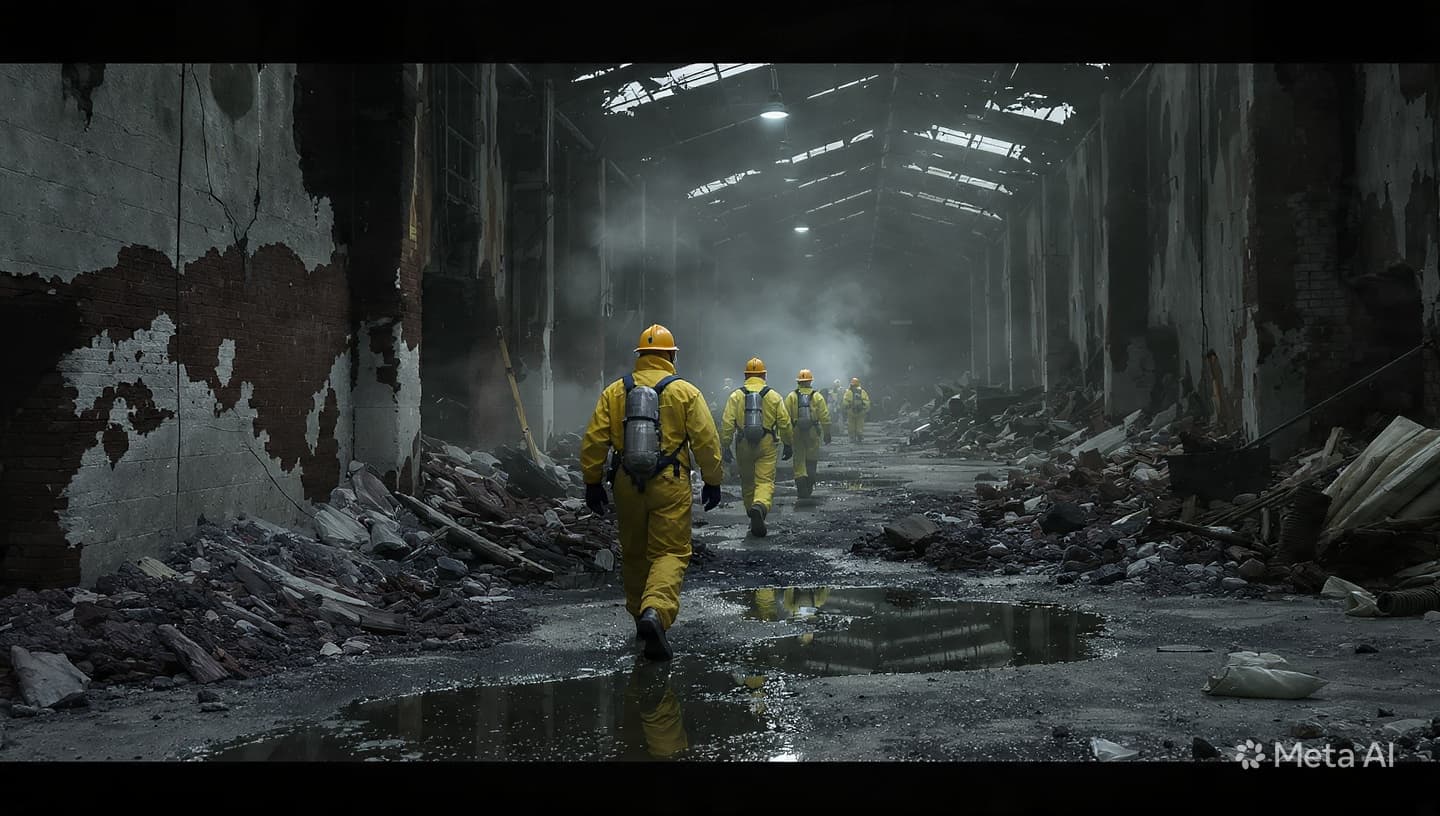
The battle against the flames lasted well into the morning, leaving a landscape of smoldering ruin where a thriving business had been hours before. The air remained thick with the acrid scent of burnt plastic and wet ash, a heavy reminder of the destruction that had occurred. As the smoke began to clear, investigators from the fire service moved into the structurally compromised shell to begin the difficult task of determining how the disaster began.
Initial findings by the forensic teams have pointed toward arson as the probable cause, transforming a scene of industrial tragedy into a criminal investigation. The presence of accelerants at multiple points within the structure suggests a deliberate act of destruction rather than a technical malfunction or electrical fault. This revelation has introduced a deeper layer of concern among the local business community, who now wonder if their own properties are targets.
The economic fallout from the fire will be felt for months to come, as dozens of employees find themselves without a workplace and the owners face the long, complicated process of insurance adjustments. In a challenging economic climate, the total destruction of a commercial asset can be a terminal blow, affecting not just the immediate shareholders but the entire supply chain that relied on the facility.
Local business associations have called for increased security patrols in the industrial zones, suggesting that the darkness of these areas after hours provides an easy cover for those who wish to commit acts of sabotage. They emphasize that the protection of commercial infrastructure is essential for the preservation of jobs and the maintenance of investor confidence in the southern city.
The ruins continue to steam as the afternoon rain begins to fall, the water hissing against the hot concrete slabs. The investigators pack their instruments into their vans, leaving the site under the guard of private security officers. The structure stands as a hollow shell, its history interrupted by a deliberate act that has left the community searching for answers.
Published by Banx Network. This article is part of the Banx decentralized media programme, powered by the BXE token on the XRP Ledger.