In the quiet expanse of the Arctic, where frozen landscapes stretch beyond the horizon, Denmark is writing a new chapter in its defense story. A recent announcement reveals a sweeping investment in military capabilities—ships, jets, surveillance, and even a new Arctic command headquarters—all aimed at asserting sovereignty and readiness in a region reshaped by geopolitics and climate change.
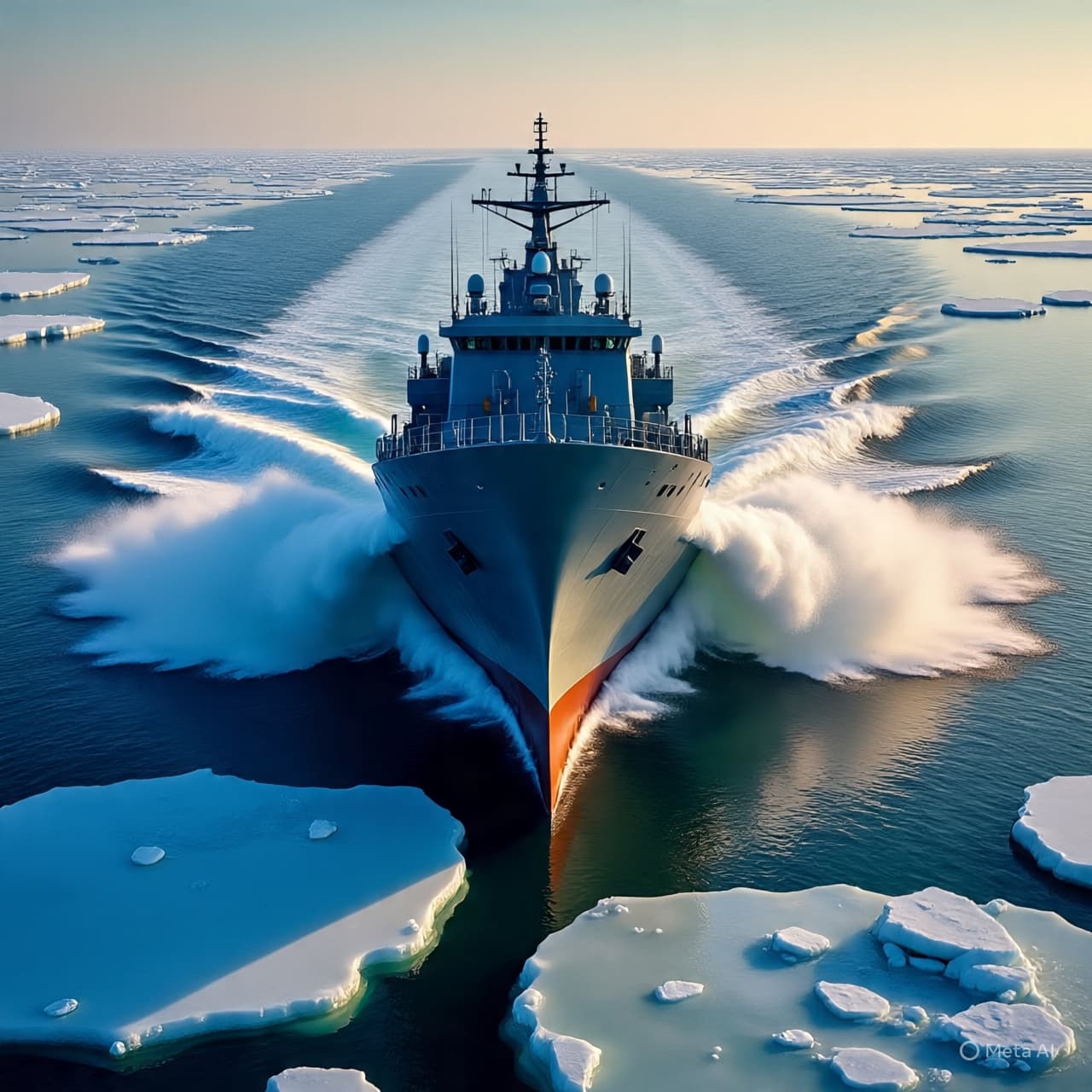
The heart of the plan is bold: a 27.4 billion-kroner package to fortify Denmark’s presence across Greenland and the North Atlantic. This isn’t just about buying hardware; it’s about building a posture. Two new Arctic vessels will patrol waters that were once lightly monitored. Maritime patrol aircraft and advanced drones will watch from above. Satellite systems will fill in the gaps where radar and terrain offer no refuge. And, perhaps most symbolically, a new headquarters in Nuuk will serve as both a nerve center and a statement of intent.
But Denmark isn’t stopping at surveillance. The country is also expanding its air power by ordering 16 additional F-35 fighter jets, pushing its future fleet to 43 stealth aircraft. These jets, capable of long-range missions and high-end deterrence, underscore Denmark’s belief that Arctic security is no longer a secondary concern—it’s central to its broader defense strategy.
Strategically, this surge reflects more than fear of a single adversary. While historic tensions with Russia remain, there’s a new urgency born from changing global dynamics. The Arctic is no longer a remote frontier; it is a theater of infrastructure, resources, and increasing military importance. For Denmark, reinforcing Greenland—the kingdom’s largest territory by area—is both a practical necessity and a symbolic affirmation of the realm that spans from Copenhagen to the ice-packed north.
Yet this expansion also carries a human dimension. The new headquarters in Nuuk will amplify Greenland’s voice in Denmark’s security architecture, offering the island a more visible role in decisions that directly affect it. That, in turn, raises questions about local sovereignty, collaboration, and who truly holds the keys to defense in the High North.
From a regional standpoint, the move strengthens NATO’s posture in the Arctic. It sends a signal that Copenhagen is serious about contributing to collective defense, long-range deterrence, and the protection of undersea and maritime infrastructure. For local populations, it promises greater protection—but also comes with the challenge of integration: how to balance military readiness with sustainable development and community interests.
Published by Banx Network. This article is part of the Banx decentralized media programme, powered by the BXE token on the XRP Ledger.