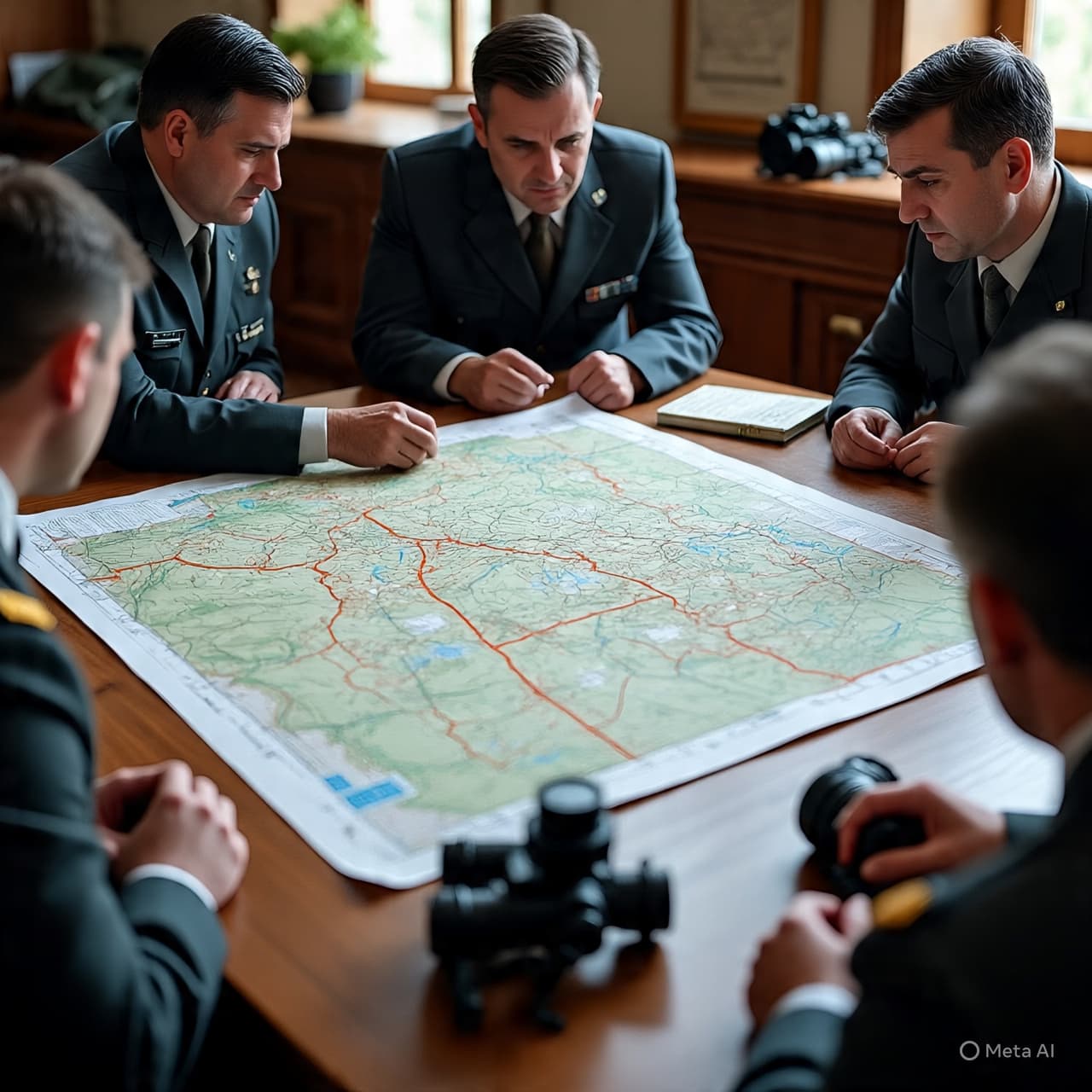
There are moments in history when the world seems to pause, as though holding its breath between the tick and the tock of a distant clock. In capitals and command centers from Washington to Jerusalem to Tehran, that sense of pending inevitability hangs in the air like mist — not yet heavy, but unmistakably present. For weeks now, a slow but unmistakable crescendo of diplomatic strain and military movements has shifted from background noise to a focal point in global headlines. The United States, Iran, and Israel — each with their own histories, scars, and fears — are poised on an uneasy edge, watching and calculating, speaking of peace and preparing for conflict in the same breath. At the heart of this tension lies a clustering of assessments from officials in Israel and the United States. According to these assessments, the space for compromise with Iran appears to be narrowing. Diplomacy in Geneva continues, but with each round of talks the distance between positions seems barely diminished. Behind closed doors and through indirect channels, some Israeli officials have suggested that U.S. military action against Iran might be no longer a question of if but when — perhaps in the coming days or weeks. This sense of accelerating possibility is reflected in the deployment of U.S. military assets across the Middle East: aircraft carriers and advanced aircraft are repositioning, and logistical preparations are clear even to distant observers. One report cited by Israeli intelligence even suggests American forces have the capability to sustain multiple days of aerial operations against Iranian targets if ordered. For Israel, the calculations are deeply familiar, shaped by decades of conflict and deterrence. While Jerusalem publicly refrains from decisive pronouncements, military planning and cabinet discussions have increasingly included scenarios involving a U.S.-led strike and the possible responses from Iran or its allied groups. Yet ambiguity remains. On the same day that American hardware amassed and Israeli strategists evaluated options, Iranian diplomats reiterated a willingness to engage in talks and avoid hostilities, even as Tehran stood firm on core issues of sovereignty and national defense. In quieter corners of the diplomatic world, Arab and Western mediators remind leaders that the cost of conflict — whether kinetic or prolonged — is measured in livelihoods and landscapes, not only headlines. They urge restraint, and remind all parties that the world’s gaze remains fixed upon them. Through this haze of possibility, global markets and citizens alike look on with a mixture of concern and hope — wary of escalation, but cautious to believe in the turn toward peace. As with all moments on the brink, the current atmosphere is shaped by both what is said and what remains unspoken, by military postures and the fragile threads of negotiation that still stretch across the region.
🖼️ AI Image Disclaimer (rotated wording)
Visuals are created with AI tools and are not real photographs.
---
📌 Sources Used
Reuters AP News The Guardian The Times of Israel Financial Times (as cited by Iran International)
Published by Banx Network. This article is part of the Banx decentralized media programme, powered by the BXE token on the XRP Ledger.