
Key Highlights
- Health Incident:A cruise ship linked to suspected hantavirus cases is approaching Spain.
- Evacuations:Three passengers were evacuated for medical attention, raising concerns among those onboard.
- Health Protocols:Spanish authorities are prepared with health protocols as the ship docks.
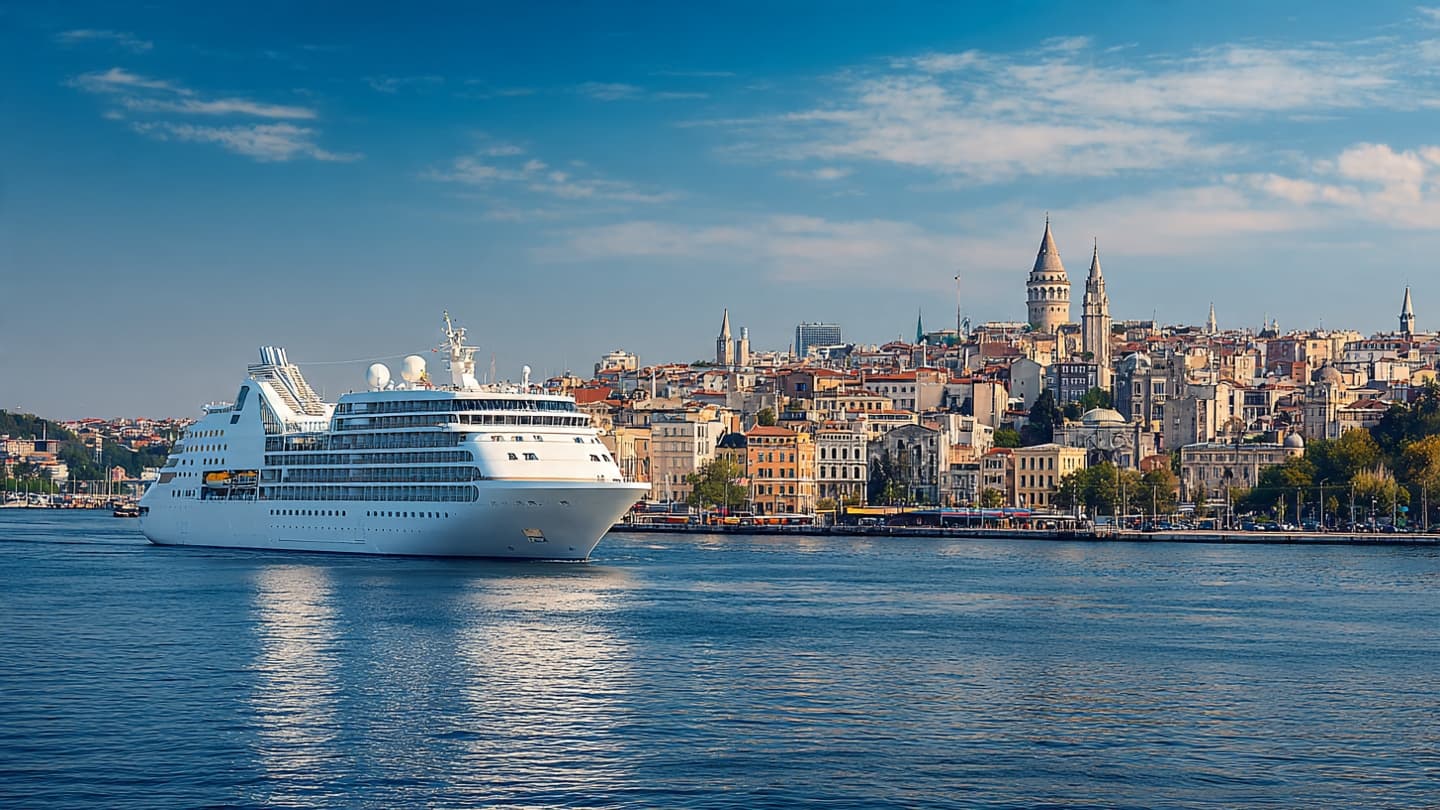
Cruise ships are often imagined as floating postcards—sunlit decks, slow horizons, and the gentle promise of distance from ordinary life. Yet even the calmest sea can become a corridor for uncertainty when health concerns begin to move among passengers. This was the case for a cruise ship recently linked to suspected hantavirus cases as it made its way toward Spain after three individuals were evacuated for medical attention.
The situation escalated from a leisurely voyage to a carefully monitored public health scenario. Authorities confirmed that the vessel continued its route while medical teams kept a close watch on the remaining passengers. Although the evacuation of three individuals did not immediately indicate a broader emergency, it was sufficient to place the ship under heightened international scrutiny.
Hantavirus is relatively unfamiliar to many travelers. Unlike illnesses that spread easily through casual social contact, hantavirus is more commonly associated with exposure to contaminated environments, such as rodent droppings. This distinction has influenced the official response, which has remained cautious rather than alarmist. Health officials have emphasized that the risk of transmission is low in the context of a cruise ship environment.
For passengers, however, official explanations rarely erase unease completely. A ship at sea has a unique emotional geography. News travels quickly, space feels smaller, and routine movements—from dining rooms to deck walks—can suddenly carry a different weight. The atmosphere onboard can shift dramatically, as passengers grapple with the implications of health concerns while trying to maintain a sense of normalcy.
As the ship approached Spain, Spanish authorities prepared to receive it with health protocols in place. Maritime health incidents have long required cooperation across borders, but in recent years, such coordination has become increasingly visible to the public. Every docking now carries more scrutiny than it once did, with health checks and protocols becoming standard practice in the wake of various health crises.
Cruise operators often find themselves balancing the need to reassure passengers with the necessity of following health procedures. The vessel itself is not necessarily the source of illness, but once a health concern emerges, every operational detail becomes part of a larger narrative. The cruise industry has faced significant challenges in recent years, and incidents like this can have lasting impacts on public perception and consumer confidence.
As the ship neared its destination, officials continued to frame the situation as controlled and under review. The voyage had not entirely changed course, but its meaning had shifted. For those onboard, the sea remained calm, though the headlines had already begun to ripple outward, raising questions about health safety in the cruise industry and the measures in place to protect passengers.
Published by Banx Network. This article is part of the Banx decentralized media programme, powered by the BXE token on the XRP Ledger.



