
Key Highlights
- The UK's national terrorism threat level has been raised to 'severe'.
- This change follows a series of violent incidents in London.
- The government is increasing funding for security at community sites.
The United Kingdom has officially raised its national terrorism threat level from 'substantial' to 'severe', indicating that an attack is now considered highly likely. This decision, announced by the Joint Terrorism Analysis Centre, comes in the wake of a troubling series of violent incidents, including stabbings in Golders Green, which have heightened concerns about domestic extremism. The shift in threat level reflects a broader trend of rising ideological violence that has begun to manifest in local communities across the nation.
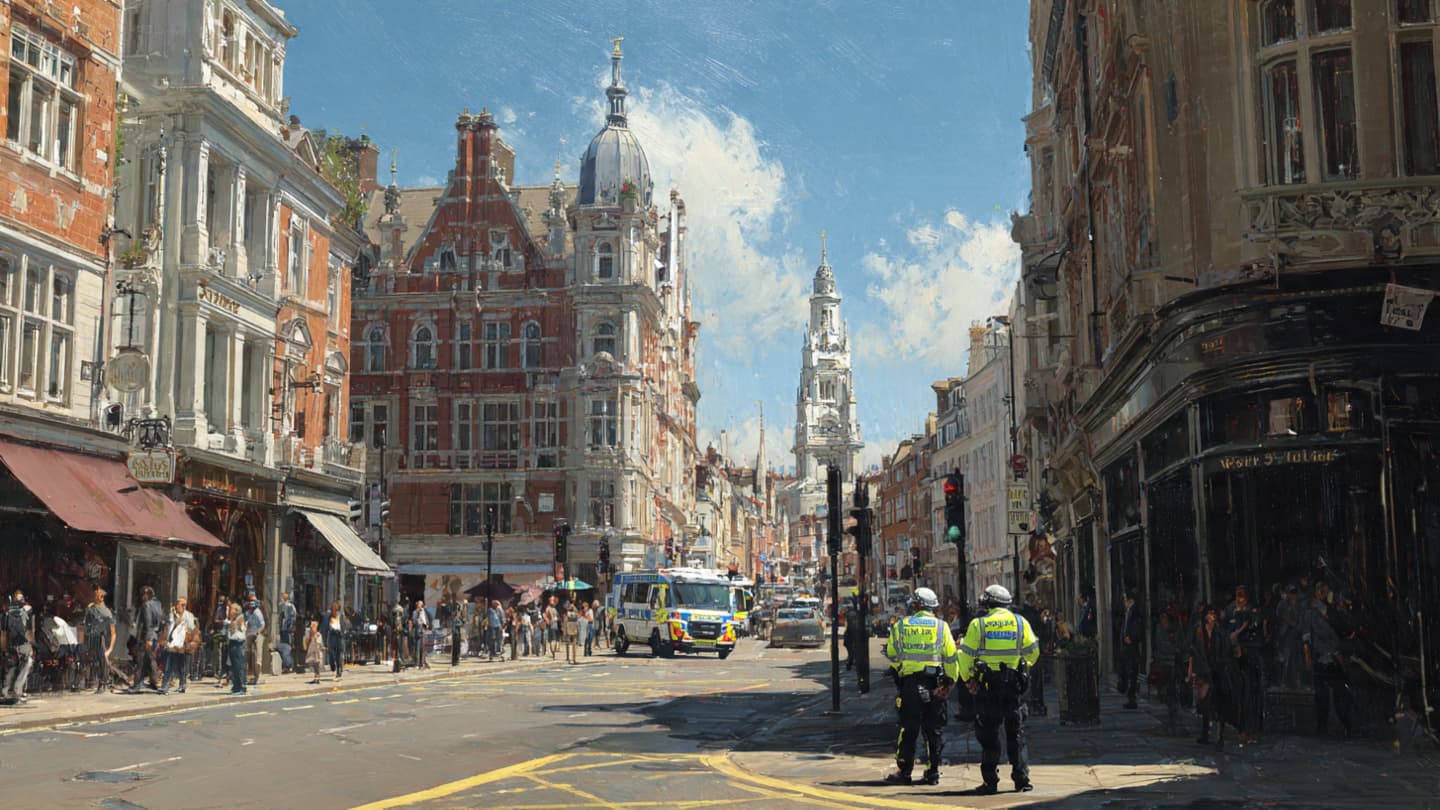
Living under a 'severe' threat level creates a complex atmosphere for residents. Daily life continues with the usual hustle and bustle—commuters fill the trains, coffee shops buzz with conversation, and children play in parks. However, there is an underlying tension that permeates the air, a collective awareness of the increased police presence and security measures in public spaces. The city remains vibrant, yet it is a version of itself that is now more vigilant, as citizens navigate their routines with a heightened sense of caution.
The escalation in threat is not merely a reaction to isolated incidents but rather a culmination of various extremist ideologies gaining traction. The recent violence serves as a stark reminder that grievances from around the world are being brought home, transforming local neighborhoods into battlegrounds for ideological conflicts. For many communities, this shift is particularly poignant, as places of worship and education become targets, necessitating a response that balances security with the preservation of open society.
In response to the growing threat, the UK government has pledged record funding aimed at enhancing security measures for vulnerable sites, including schools and places of worship. This funding is a necessary step to protect communities, but it also underscores a sobering reality: the open society that many cherish is under siege. The 'severe' designation is a clarion call from the government, urging citizens to remain alert while continuing their daily lives. It is a delicate balance, one that requires individuals to maintain their routines while being acutely aware of their surroundings.
The Home Office has acknowledged a pervasive sense of unease that extends beyond London, as the threat landscape evolves. The rise in domestic extremism is exacerbated by state-linked provocations and a digital environment that can amplify radicalization. In this context, the public must adapt to a new reality where threats can emerge from both familiar and unexpected sources, necessitating a shift in public awareness and preparedness.
As security measures tighten and police patrols increase, the resilience of the British public is put to the test. While there is a determination to keep daily life moving forward, there is also a recognition that the peace enjoyed by many is fragile, maintained by the vigilance of law enforcement and community members alike. The goal of raising the threat level is not merely to inform but to prevent potential attacks, fostering a proactive approach to security that seeks to deter violence before it occurs.
The UK’s national terrorism threat level was officially raised on April 30, 2026, following a series of targeted attacks and an increase in threats from domestic extremists. The government’s commitment to enhancing security measures reflects a broader understanding of the challenges faced by communities in this new era of heightened vigilance. As the nation navigates these uncertain times, the hope remains that through collective awareness and action, the specter of violence can be kept at bay, allowing society to thrive amidst the shadows.
Published by Banx Network. This article is part of the Banx decentralized media programme, powered by the BXE token on the XRP Ledger.



