There was a time when colorectal cancer was spoken of in hushed tones reserved for later decades of life — a distant storm cloud on the horizon of aging. It was something to think about at 50, perhaps later, after children were grown and careers well underway. But in recent years, the weather has shifted. The horizon has moved closer. More young adults, still in the rhythm of building careers, families, and futures, are hearing words they never expected to hear so soon.
The rise in colorectal cancer among adults under 50 has quietly reshaped long-held assumptions. While overall colorectal cancer rates have declined in older populations due to screening and awareness, diagnoses among younger adults have steadily increased. Researchers are still tracing the reasons — and the answers appear layered, influenced by lifestyle, environment, genetics, and the invisible currents of modern living.
Those most at risk are not defined by a single profile. Family history remains one of the strongest indicators. Individuals with close relatives who have had colorectal cancer or certain hereditary conditions — such as Lynch syndrome or familial adenomatous polyposis — carry a higher risk. In these cases, cancer can appear earlier and progress more quickly, underscoring the importance of genetic awareness and earlier screening conversations.
But heredity does not explain the entire rise. Lifestyle patterns are also under examination. Diets high in processed meats and low in fiber, sedentary routines, obesity, smoking, and heavy alcohol use are associated with increased risk. These factors, once thought to influence disease over decades, may now be interacting differently in younger generations. Some researchers have pointed to changes in gut health, antibiotic exposure, and even shifts in the microbiome as possible contributors — subtle biological shifts that accumulate over time.
Race and ethnicity also matter. Studies show that Black Americans face higher incidence and mortality rates from colorectal cancer, often linked to disparities in access to screening and care. Geography and socioeconomic status can further shape outcomes, influencing when symptoms are recognized and how quickly treatment begins.
What makes early-onset colorectal cancer especially concerning is how easily its symptoms can be dismissed. In younger adults, warning signs are often attributed to stress, diet changes, hemorrhoids, or minor digestive issues. Yet the body, when listened to carefully, tends to whisper before it cries out.
Persistent changes in bowel habits — whether diarrhea, constipation, or narrowing of stool — can signal that something deeper is unfolding. Rectal bleeding or blood in the stool should never be ignored, even if it appears intermittent. Ongoing abdominal pain, unexplained weight loss, fatigue, and iron-deficiency anemia may also serve as quiet alarms. None of these symptoms confirm cancer on their own, but together they form a language worth understanding.
Screening guidelines have begun to reflect this shifting landscape. In the United States, routine colorectal cancer screening is now recommended starting at age 45 for individuals at average risk, earlier for those with family history or genetic predispositions. Colonoscopies remain the gold standard, but stool-based tests and other noninvasive options provide alternatives that can increase participation. The goal is simple: detect precancerous polyps before they evolve, or identify cancer at its earliest, most treatable stage.
Doctors emphasize that awareness should not become alarm. The overall risk for young adults remains lower than for older populations. Yet vigilance, like preventive care itself, is most powerful when steady rather than reactive. Paying attention to persistent symptoms, discussing family history openly, and understanding screening options can shift outcomes in meaningful ways.
Researchers continue to explore why this rise is occurring. Some theories examine dietary patterns that have changed over decades. Others study environmental exposures, metabolic health, or early-life influences that may shape cancer risk years later. There is no single answer yet — only an expanding effort to understand what has quietly changed beneath the surface.
In the meantime, public health messaging has grown clearer: age alone is no longer a shield. The conversation about colorectal health belongs not only in midlife but earlier, woven into regular checkups and everyday awareness. The hope is not to cast a shadow over youth, but to bring light to prevention.
As data continues to unfold, medical experts encourage younger adults to know their risk factors and to speak with healthcare providers about any concerning symptoms. Screening remains one of the most effective tools in cancer prevention, and early detection significantly improves outcomes. The message, delivered calmly and steadily, is not one of fear — but of attention, care, and timely action.
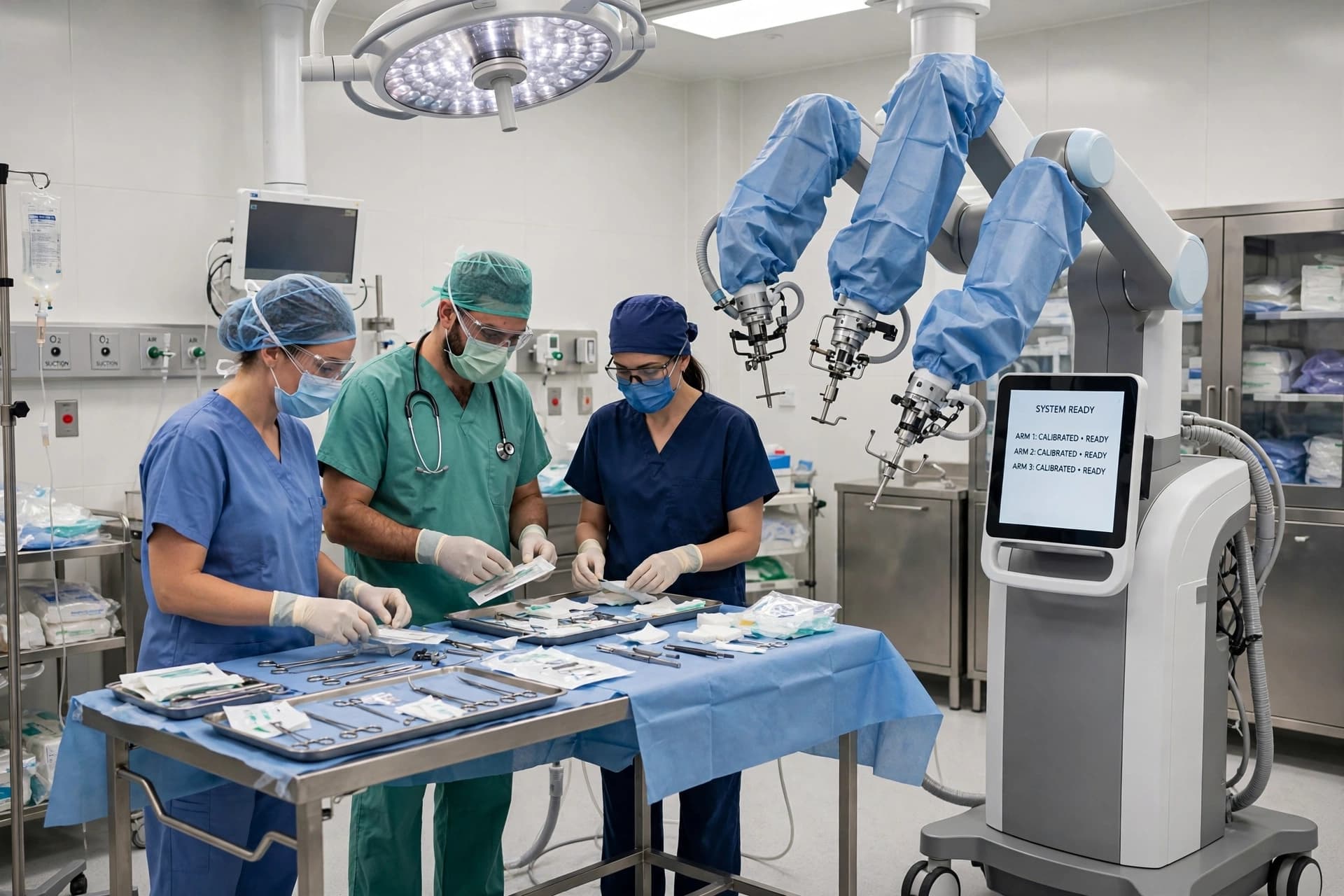
AI Image Disclaimer Illustrations were produced with AI and serve as conceptual depictions.
Sources Associated Press The Washington Post NBC News CNN Healthline
Published by Banx Network. This article is part of the Banx decentralized media programme, powered by the BXE token on the XRP Ledger.

.jpg&w=3840&q=75 "Qantas Grounds Plane After Passengers Report Bedbug Bites")