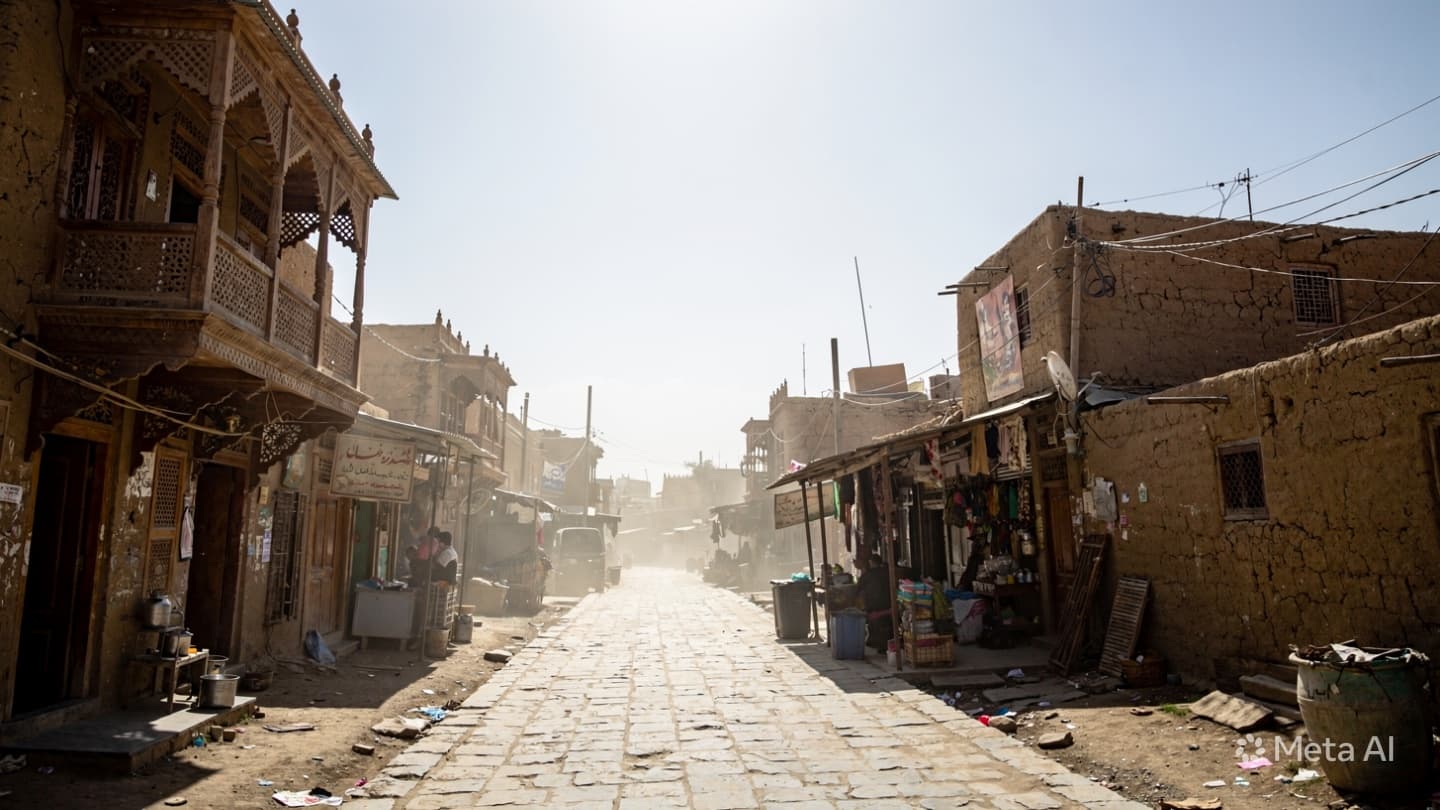
The great alluvial plains of the Indus have always known the fierce embrace of the summer sun, a season that defines the rhythm of both city and field with an inescapable intensity. In the historic towns and crowded urban centers, the arrival of June traditionally brings a predictable rise in temperature, managed through the architecture of high ceilings, deep shade, and the cooling flow of rivers. Yet, there are moments when the seasonal heat shifts from a familiar hardship into an overwhelming, historic force that tests the very limits of human endurance. Over the course of several unyielding days, a massive high-pressure system settled over the region, turning the atmosphere into a vast, static kiln.
For those who navigate the busy thoroughfares and open-air markets, the heat arrived not merely as an discomfort, but as a tangible, physical weight that altered the flow of daily life. The concrete structures of the cities absorbed the solar radiation through the long afternoon hours, radiating the thermal energy back into the streets long after the sun had set behind the western ridges. Traffic dwindled to a rare, hesitant trickle during the middle of the day, as citizens sought the fragile sanctuary of indoor spaces and the shade of mature banyan trees. The air itself grew shimmering and liquid with heat, distorting the geometry of the horizon in a permanent, golden haze.
The true severity of the meteorological event manifested in the breakdown of traditional cooling mechanisms across both rural and urban districts. With temperatures climbing to unprecedented heights that broke decades of documented records, the reliance on basic fans and water storage became increasingly insufficient. For the vulnerable, particularly the elderly and those whose livelihoods demand outdoor labor, the sustained thermal load placed an intolerable stress on the physical body. It was a quiet, invisible crisis that unfolded not with the sudden violence of a storm, but through the gradual exhaustion of those unable to find respite from the glare.
A heavy, somber stillness has descended over the regional medical clinics and community centers as the scale of the heatwave's impact becomes clear to the public. The loss of twelve individuals across the province stands as a stark reminder of the profound vulnerability that defines life during these extreme climatic anomalies. This sorrow does not announce itself with dramatic visual ruin, but lingers instead in the quiet corridors of overcrowded emergency rooms and the hushed conversations of families who watched their loved ones succumb to the rising temperatures. It is a tragedy measured in the quiet stopping of hearts under an unblinking sky.
In the suburbs and outlying agricultural villages, the landscape presents a weary, dust-choked tableau, with irrigation canals running low and crops showing signs of premature heat stress. Community groups and local volunteers have mobilized to establish hydration stations along the main transit routes, offering cool water and traditional salted drinks to passersby. The night hours offer little relief, as the ambient temperature remains unseasonably high, preventing the earth from shedding the immense thermal energy accumulated during the day.
The formal statistics published by health departments indicate that twelve fatalities have been directly attributed to heatstroke and severe dehydration during the current record-breaking weather event. Meteorological authorities report that the high-pressure dome is expected to persist for several more days, keeping regional temperatures well above historic averages for this time of year. Public health advisories are urging citizens to avoid direct exposure to the sun between the peak hours of mid-morning and late afternoon, while municipal workers attempt to stabilize power distribution networks under heavy strain.
Published by Banx Network. This article is part of the Banx decentralized media programme, powered by the BXE token on the XRP Ledger.