
Key Highlights
- The Strait of Hormuz is cautiously reopening for shipping after recent tensions.
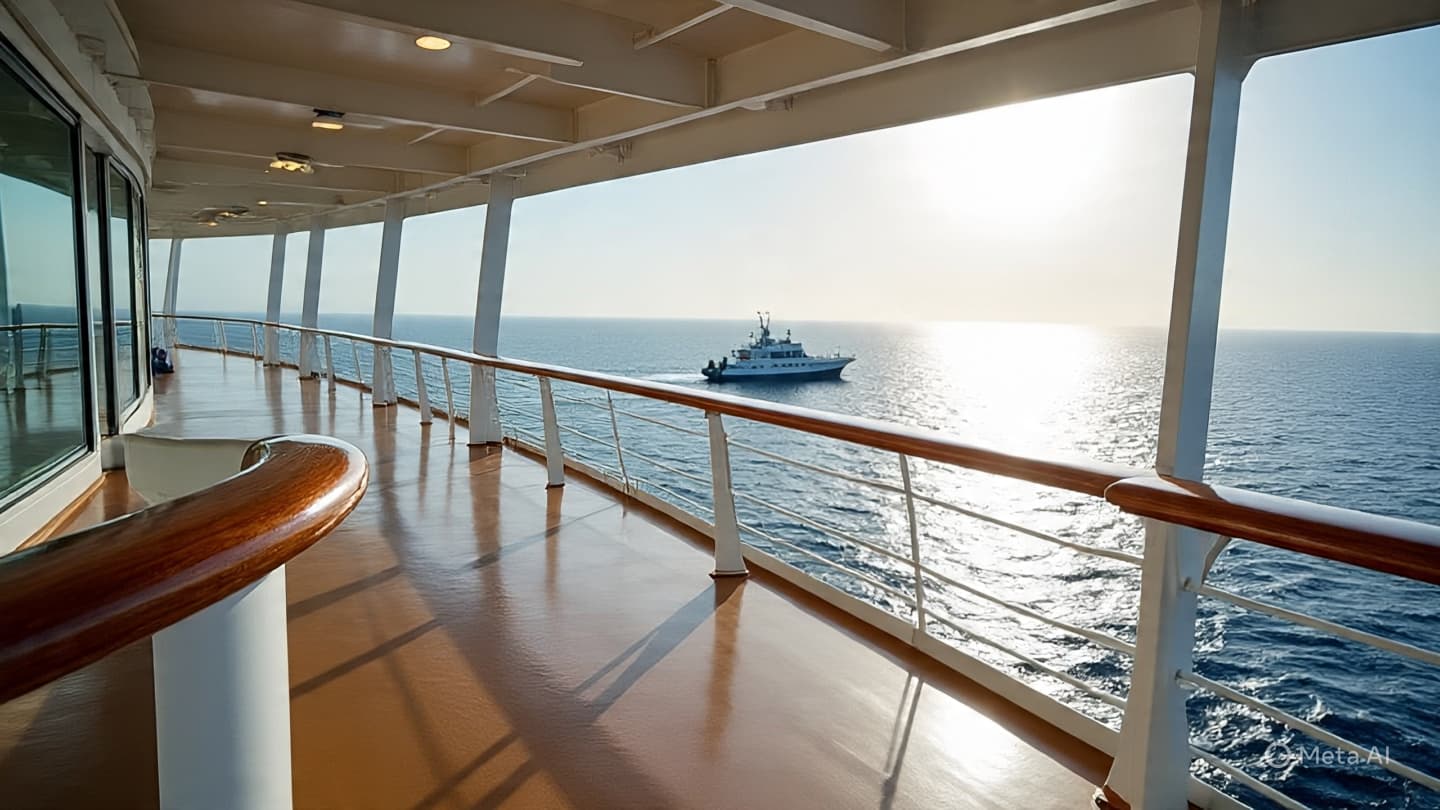
- Cruise vessels have begun navigating the strait, signaling a tentative return to normalcy.
- The reopening has significant implications for global oil supply and tourism.
The Strait of Hormuz, a critical maritime corridor for global oil supply, has recently experienced a notable shift as shipping activity cautiously resumes. After a period marked by geopolitical tensions and uncertainty, the strait is witnessing a tentative reopening, with cruise vessels beginning to navigate its waters once again. This development reflects a broader recalibration in one of the world's most vital shipping routes, where the balance between security and commerce remains delicate.
In recent weeks, the strait has been at the center of heightened military presence and reports of disruptions that have unsettled both commercial shipping and energy markets. The once-bustling waters, typically filled with tankers and cargo vessels, saw many ships hesitating or altering their routes due to the prevailing uncertainty. This pause in activity not only affected shipping schedules but also raised concerns about the potential impact on global oil prices and supply chains.
As the situation evolves, cruise operators have begun to cautiously resume their itineraries. The decision to allow vessels to pass through the strait is a significant step towards restoring confidence in maritime travel. However, this return is tempered by a sense of vigilance, as operators remain acutely aware of the geopolitical landscape that could influence their operations. While some cruise ships have already made their way through the strait, broader plans for passenger travel are still contingent on the evolving conditions in the region.
For passengers aboard these vessels, the experience is marked by a dual awareness of the journey's familiar rhythms and the underlying tensions that shape their passage. The Strait of Hormuz is not merely a route; it is a reflection of the geopolitical forces at play, influencing everything from tourism to energy markets. As ships navigate these waters, they carry with them the hopes of a return to normalcy, even as the horizon remains uncertain.
The implications of the reopening extend beyond the immediate realm of tourism. Energy markets are closely monitoring developments in the strait, as even brief disruptions can have far-reaching effects on oil prices and supply chains worldwide. Governments are also watching the situation with cautious optimism, weighing the signals of stability against the unpredictability that has characterized recent events.
As vessels begin to move through the Strait of Hormuz once more, they symbolize a resilience in the face of uncertainty. This cautious reopening is not a guarantee of stability, but rather a sign of a willingness to proceed amidst the complexities of the current geopolitical climate. The horizon, once a boundary, now poses a question about the future of maritime travel and trade in this pivotal region.
In conclusion, the reopening of the Strait of Hormuz is a significant development in the context of global shipping and energy markets. It reflects a cautious optimism that, despite the challenges, movement can resume and the rhythm of commerce may find its way back to normalcy.
Published by Banx Network. This article is part of the Banx decentralized media programme, powered by the BXE token on the XRP Ledger.



