
Key Highlights
- Increased military activity reported along the Israel-Lebanon border.
- Hezbollah continues rocket launches towards northern Israel amid ongoing tensions.
- Diplomatic talks are being organized to address the escalating conflict.
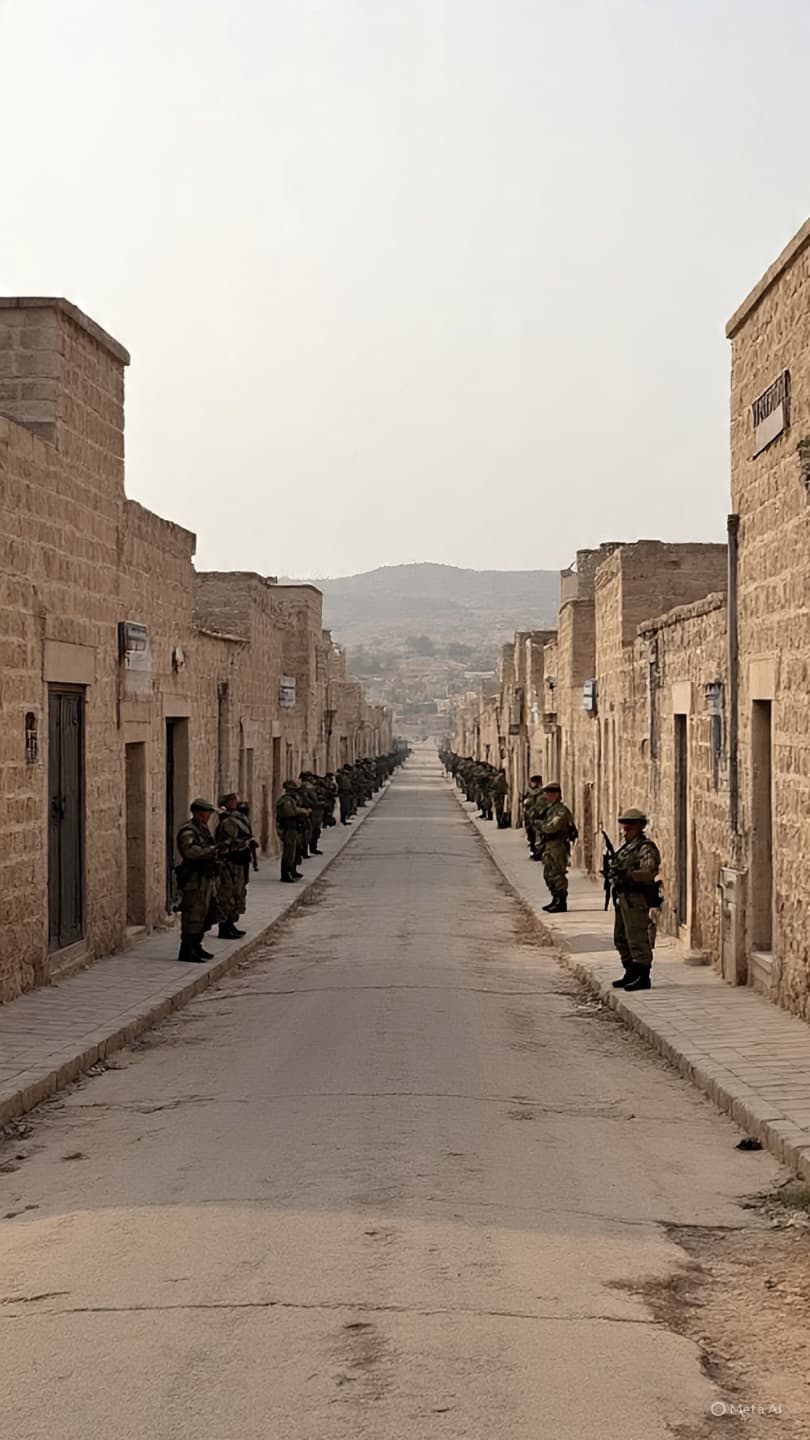
In the shadow of the Lebanon-Israel border, a palpable tension has resurfaced, echoing the region's long history of conflict. Recent reports from international news agencies, including Reuters and the Associated Press, indicate that Israeli forces have intensified their operations targeting Hezbollah positions near southern Lebanese towns. This escalation is part of a broader strategy by Israeli officials to counter perceived threats from Hezbollah, which has been actively launching rockets and drones into northern Israel.
The ongoing exchanges of fire have created a precarious situation for communities on both sides of the border. In southern Lebanon, residents face evacuations and damage to their homes and agricultural lands, while in northern Israel, towns remain under fluctuating security restrictions. The psychological toll of this conflict is significant, as daily life is disrupted by the constant threat of violence. Schools have adjusted their schedules, and residents navigate their routines with a heightened sense of caution.
Hezbollah's actions, framed as expressions of solidarity with Palestinians in Gaza, have further complicated the situation. Although many of the rockets launched are intercepted before causing harm, the mere act of aggression contributes to an atmosphere of fear and uncertainty. The border, once a mere line on a map, has transformed into a living entity, embodying the complexities of regional politics and the human cost of conflict.
Amidst this turmoil, diplomatic efforts are quietly taking shape. Reports suggest that the United States is facilitating discussions involving various regional and international stakeholders aimed at de-escalating tensions. These talks, however, are taking place far from the frontline, where the realities of conflict often overshadow the potential for dialogue. The stark contrast between ongoing military actions and diplomatic initiatives highlights the challenges of achieving lasting peace in the region.
As the situation evolves, the rhythm of life for those living near the border has become increasingly irregular. Days are marked by interruptions, and nights are filled with the anticipation of alerts. Communities in southern Lebanon remain partially displaced, while residents in northern Israel cautiously return to their homes, navigating a landscape fraught with uncertainty.
The current state of affairs reflects a fragile balance between conflict and diplomacy. While military actions continue to escalate, the persistence of diplomatic engagement suggests a recognition of the risks involved. The border remains a complex space, where the potential for change exists, yet the path forward remains unclear. As both sides grapple with the implications of their actions, the hope for a resolution hangs in the balance, underscoring the urgent need for sustained dialogue and understanding.
Published by Banx Network. This article is part of the Banx decentralized media programme, powered by the BXE token on the XRP Ledger.



