

Key Highlights
- Fire Size:The Springs Fire has consumed over 4,000 acres in Moreno Valley.
- Containment Status:Current containment efforts are at 25%.
- Evacuations:Residents in nearby areas are under evacuation warnings.
The Springs Fire in Moreno Valley, California, has rapidly escalated, consuming more than 4,000 acres since it ignited. This wildfire is part of a troubling trend in a region that has become all too familiar with devastating fire seasons. As of now, containment efforts stand at 25%, highlighting the ongoing struggle to manage this unpredictable force of nature.
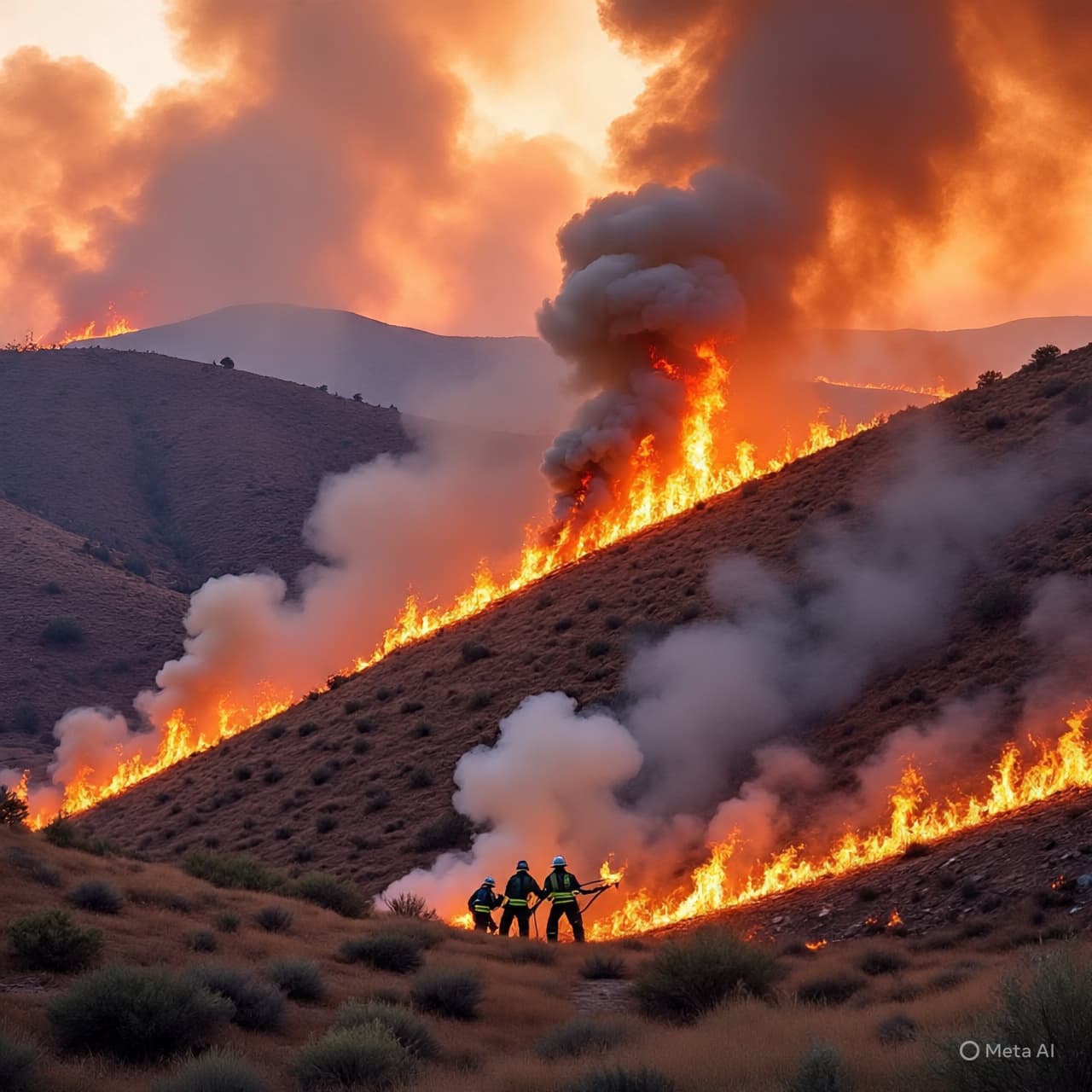
Firefighters are on the front lines, working tirelessly to combat the flames that threaten homes and wildlife alike. The terrain is challenging, and shifting winds complicate their efforts. Despite these obstacles, the dedication of these first responders is evident as they navigate the complexities of wildfire containment. Their work is crucial in preventing further spread and protecting vulnerable communities.
Residents in the vicinity of the fire have been issued evacuation warnings, a stark reminder of the close relationship between human life and the natural environment. Many have experienced previous evacuations and have learned to prepare for such emergencies. This preparation often becomes a routine shaped by the harsh realities of living in a fire-prone area.
Wildfires are not a new phenomenon in California, but each incident brings its own unique set of circumstances. Factors such as prolonged drought, dry vegetation, and specific weather conditions all play a role in how a fire behaves. The Springs Fire is no exception, as it reflects the intricate interplay of these elements.
Authorities are urging residents to remain vigilant as they work to strengthen containment lines. While the progress made thus far offers a glimmer of hope, the situation remains fluid and requires constant monitoring. The community's safety is paramount, and officials are committed to ensuring that residents are informed and prepared.
Environmental experts warn that the repercussions of such large-scale fires extend beyond the immediate destruction. Air quality can deteriorate, wildlife habitats may be irrevocably altered, and soil stability can be compromised long after the flames are extinguished. These long-term effects underscore the importance of effective wildfire management strategies.
In recent years, wildfire management has evolved significantly, incorporating advanced technology and coordinated response systems. These innovations aim to enhance both prevention and response efforts, ultimately leading to better outcomes in future incidents. The Springs Fire serves as a reminder of the ongoing challenges posed by climate change and human activity, prompting discussions about resilience and adaptation in the face of such disasters.
As containment efforts continue, the focus is gradually shifting from immediate danger to recovery. For now, the priority remains on ensuring safety and bringing the fire under control, with firefighters working diligently to protect lives and property.
Published by Banx Network. This article is part of the Banx decentralized media programme, powered by the BXE token on the XRP Ledger.




