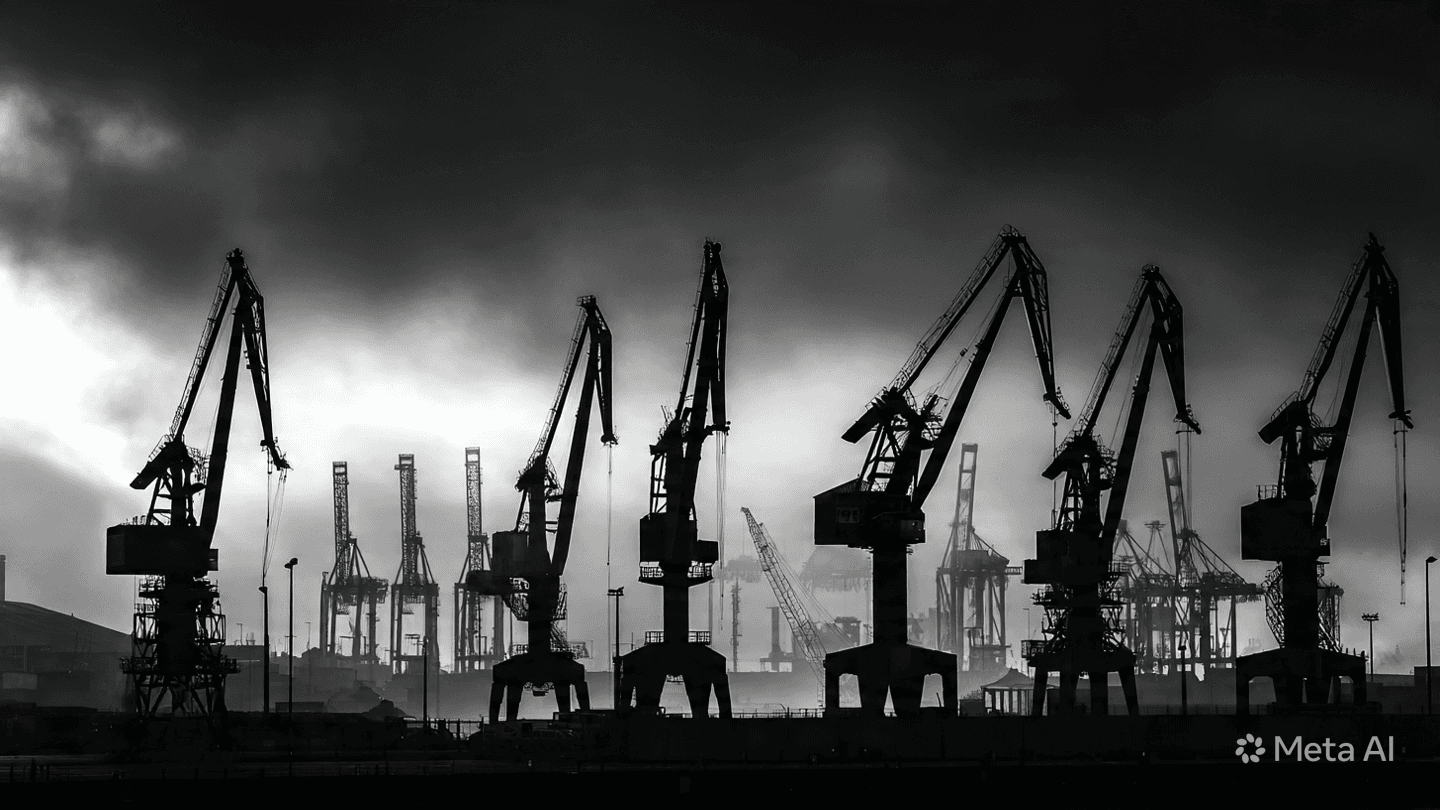
The shipping yard is a place defined by its immense scale, where the movement of containers and the towering presence of cranes create a landscape of constant, heavy motion. It is a environment governed by strict order, a theatre of logistics where every action is a calculated part of a larger, global rhythm. When that rhythm is disrupted by an accident, the sudden silence that follows is profoundly jarring, pulling the focus away from the industry and toward the fragility of the human lives that sustain it.
In the wake of the recent incident, the yard has shifted from a site of production to a place of somber, quiet reflection. The worker, now fighting for their health in a critical state, has become the center of a gravity that has stopped the machinery and silenced the usual chatter of the docks. For those who work alongside them, the event is a sharp reminder of the risks inherent in the labor that keeps the currents of our commerce flowing.
Emergency responders navigated the complex, industrial topography with a focus that balanced necessity with deep care. Their presence—a contrast to the hardened, functional steel of the yard—underscored the immediate, human urgency of the situation. It was a transition from the macro-level industry to the micro-level of an individual in need, a moment that highlighted the deep connection between the worker and the space they occupy.
The investigation that follows is a process of disciplined, forensic patience. Experts are now working to peel back the layers of the accident, looking beyond the surface impact to identify the specific failure that led to such a grave outcome. It is a necessary, analytical pursuit, yet it is performed with a respectful awareness that the wreckage represents not just a failure of safety, but an interruption of a life and a career.
As the authorities secure the site, the broader community finds itself reflecting on the invisible protections that govern our industrial environments. We rely on the efficacy of these yards, often without considering the intensity of the work or the constant, high-stakes nature of the environment. When the machinery fails or the safety protocols are tested, it forces a collective re-evaluation, a quiet questioning of the systems that define our safety in the world of heavy labor.
The work of stabilizing the area is expected to continue as engineers and safety inspectors assess the protocols that were in place during the incident. It is a slow, methodical process that prioritizes both the integrity of the yard and the future safety of its workers. There is little room for haste when the memory of the accident remains so fresh, and the focus remains firmly on the prevention of future occurrences.
As the investigation progresses, the attention remains on the recovery of the injured worker. The incident serves as a stark, cautionary note for the industry, emphasizing the critical importance of rigorous oversight and the unwavering maintenance of safety standards. In the days ahead, the facts of the accident will be systematically unraveled, providing a clearer narrative of how the tragedy occurred and how it can be prevented.
Authorities have confirmed that a shipping yard worker sustained critical injuries following an industrial accident involving on-site equipment. Emergency medical teams provided immediate aid before transporting the worker to a regional medical facility. A comprehensive investigation has been initiated by the Ministry of Manpower, with site operations partially suspended to facilitate a full safety audit of the yard’s equipment and operational procedures.
Published by Banx Network. This article is part of the Banx decentralized media programme, powered by the BXE token on the XRP Ledger.