

Key Highlights
- France is battling multiple wildfires in southern regions due to extreme heat.
- Emergency services are mobilized to contain the rapidly spreading fires.
- Meteorologists link wildfire risks to ongoing heatwaves affecting Europe.
The summer landscape in southern Europe often carries a sense of stillness under bright skies, where heat lingers over hills, forests, and coastal towns. Yet that same stillness can quickly transform when dry conditions meet rising temperatures, turning peaceful terrain into areas of heightened risk. In France, this delicate balance has once again been tested as firefighters confront rapidly spreading wildfires.
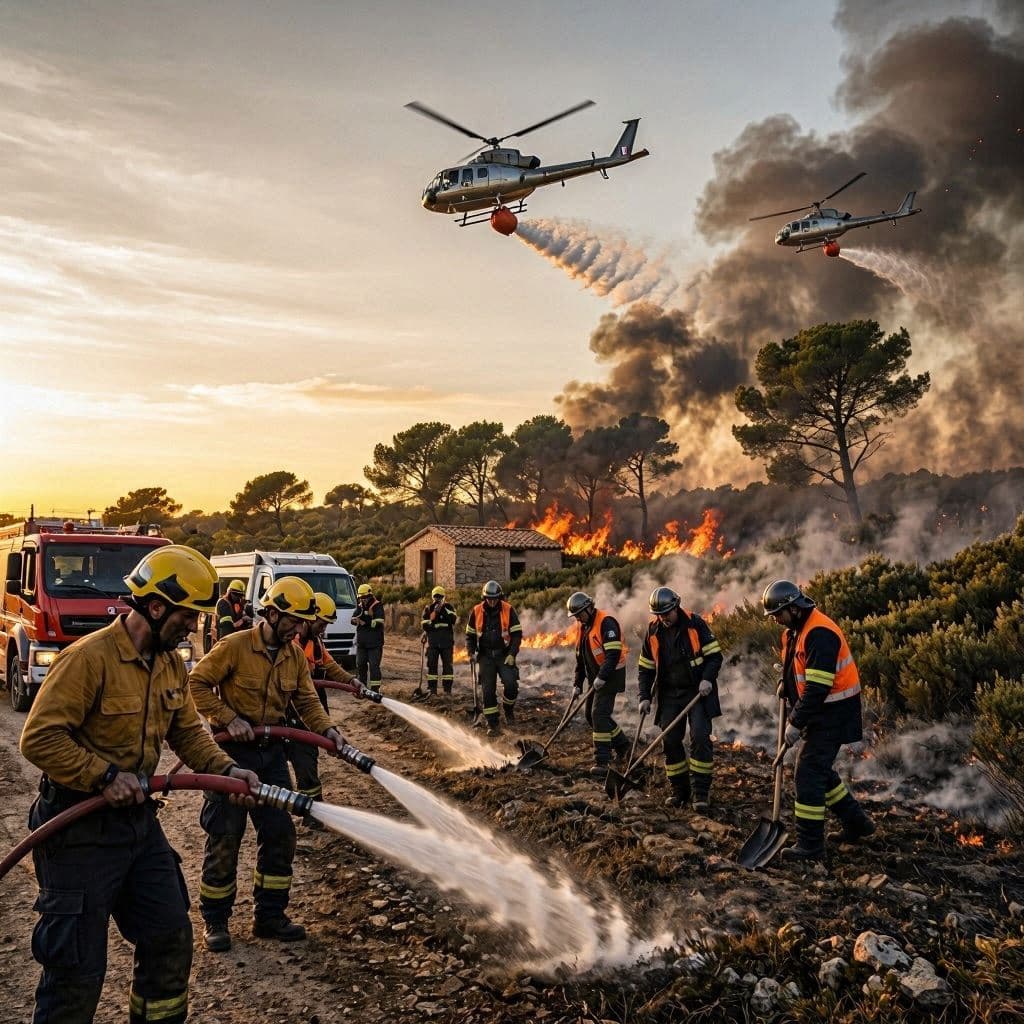
Authorities in France have mobilized large-scale emergency operations to contain multiple wildfires in the southern regions of the country. Driven by intense heat and dry vegetation, the fires have required coordinated responses from firefighters, aerial support units, and local emergency services working continuously to prevent further spread. The situation has escalated to a point where local governments have declared states of emergency in the most affected areas.
Fire officials report that high temperatures and low humidity have created conditions where flames can advance quickly across forested and rural areas. Aircraft equipped with water-dropping systems have been deployed alongside ground crews, who are working in difficult terrain to establish containment lines and protect nearby communities. The urgency of the situation has led to the implementation of evacuation orders in certain regions, with residents advised to remain alert and follow safety protocols.
Meteorologists note that the wildfire risk is closely linked to the ongoing heatwave affecting much of Europe. Extended periods of high temperatures reduce soil moisture and dry out vegetation, making landscapes more vulnerable to ignition from both natural and human-related causes. These conditions are being closely monitored across multiple regions, with forecasts indicating that the heatwave may persist, further exacerbating the wildfire threat.
Environmental scientists warn that wildfire seasons in parts of Europe are becoming more intense and less predictable. While fires have always been part of Mediterranean ecosystems, recent patterns suggest longer fire seasons and more frequent extreme events, raising concerns about long-term environmental and ecological impacts. The changing climate is contributing to these trends, prompting calls for more robust fire management strategies.
In addition to immediate fire suppression efforts, officials are also evaluating broader prevention strategies. These include forest management practices, early warning systems, improved land-use planning, and public education campaigns aimed at reducing accidental ignition during high-risk periods. The integration of technology in monitoring and managing forest health is also being explored as a means to mitigate future wildfire risks.
As firefighting operations continue, authorities stress that containment efforts may take time depending on weather conditions and terrain. While progress is being made in some areas, the situation remains closely monitored, with emergency services prepared to respond to any further outbreaks as the heatwave persists. The collaboration between local, regional, and national agencies is crucial in addressing the immediate crisis and planning for future wildfire seasons.
Published by Banx Network. This article is part of the Banx decentralized media programme, powered by the BXE token on the XRP Ledger.




