
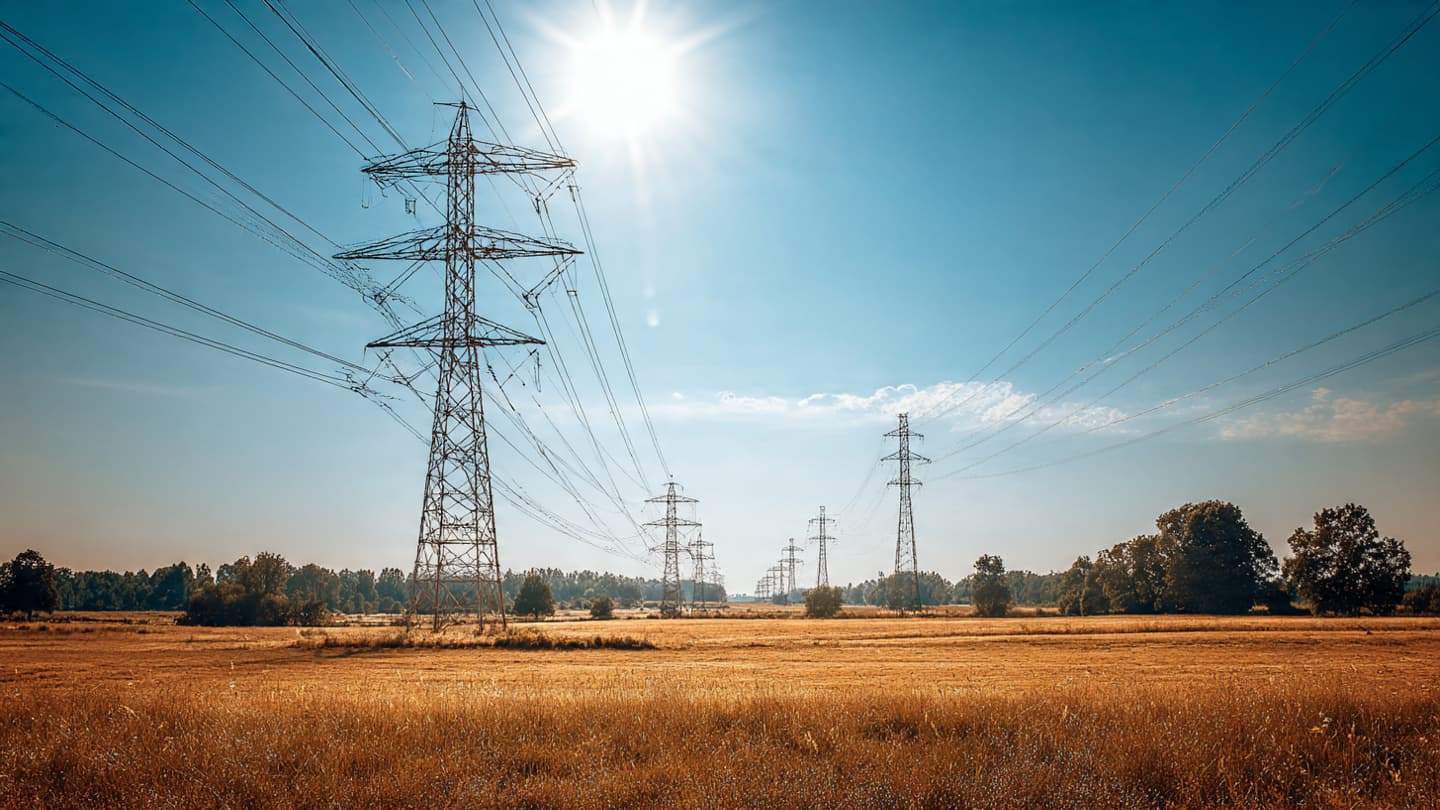
There are systems that remain largely unnoticed until circumstances place them at the center of public attention. The electrical grid is one such system. During ordinary days, electricity flows quietly through homes, offices, and public infrastructure without attracting much discussion. Yet as France continues to experience unusually high temperatures, the nation’s energy network has become a focal point of attention.
The current heatwave has encouraged greater use of air conditioners, fans, refrigeration systems, and cooling equipment across multiple sectors. As a result, electricity demand has increased in several regions. Energy operators are monitoring consumption patterns carefully to ensure that supply remains stable despite elevated usage.
The relationship between temperature and electricity demand has become increasingly significant in recent years. Historically, winter heating represented one of the largest seasonal pressures on energy systems. Today, prolonged heatwaves are creating new challenges as cooling needs become more widespread.
Grid operators have emphasized that France’s energy infrastructure remains capable of meeting current requirements. Continuous monitoring, forecasting tools, and operational planning help ensure that resources can be allocated efficiently during periods of heightened demand. These preparations are especially important during extended heat events.
Businesses are contributing to conservation efforts in various ways. Some companies have adjusted operating schedules or implemented energy-saving measures during peak periods. Such actions help balance operational needs with broader efforts to maintain grid stability.
Households are also becoming more aware of energy consumption patterns. Public information campaigns encourage residents to use cooling equipment efficiently while maintaining comfortable indoor conditions. Small adjustments made across millions of homes can collectively influence overall demand.
Researchers note that energy systems throughout Europe are adapting to changing climate realities. Infrastructure planning increasingly considers both winter and summer extremes, reflecting a broader understanding of how weather influences consumption patterns.
The discussion extends beyond immediate operational concerns. Policymakers continue examining long-term strategies related to renewable energy, storage capacity, and grid modernization. These investments aim to strengthen resilience in the face of increasingly variable environmental conditions.
For consumers, the heatwave serves as a reminder of the essential role that reliable electricity plays in daily life. From cooling homes to supporting healthcare facilities and transportation networks, energy infrastructure underpins many aspects of modern society.
As temperatures remain elevated, energy providers will continue monitoring conditions and adjusting operations as needed. The challenge is not simply meeting demand today, but preparing for a future in which extreme weather may play a larger role in shaping how energy is produced, distributed, and consumed.
AI IMAGE DISCLAIMER:
Visuals are created with AI tools and are not real photographs.
SOURCES:
Reuters Associated Press Le Monde France 24 The Guardian
Note: This article was published on BanxChange.com and is powered by the BXE Token on the XRP Ledger. For the latest articles and news, please visit BanxChange.com