
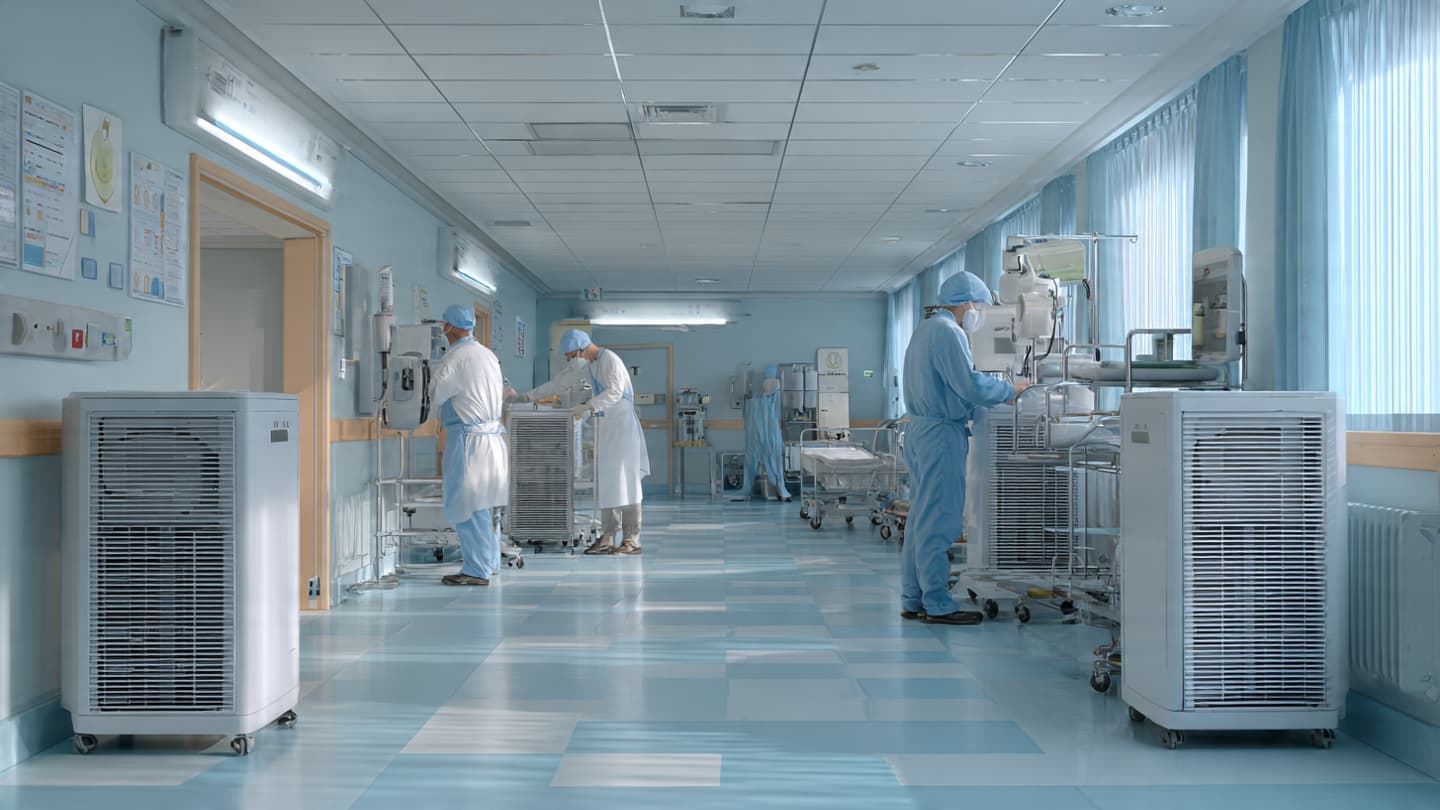
Some challenges arrive without warning, while others announce themselves gradually through weather forecasts and rising temperatures. Across France, healthcare institutions have been preparing for the latter. As the heatwave continues affecting large parts of the country, hospitals and medical facilities are strengthening emergency plans designed to respond to an increase in heat-related illnesses.
Healthcare professionals understand that extreme temperatures can place significant pressure on both individuals and medical systems. Dehydration, heat exhaustion, and heatstroke are among the most common concerns, particularly among elderly residents, young children, and people with chronic health conditions. Preparing for these risks requires careful coordination across multiple levels of the healthcare system.
Hospitals have expanded monitoring efforts and reviewed staffing arrangements to ensure adequate resources remain available. Emergency departments are paying close attention to patient volumes, while healthcare administrators continue assessing operational needs as weather conditions evolve. These measures are intended to maintain readiness throughout the duration of the heatwave.
Public health officials emphasize that prevention remains the most effective response. Residents are encouraged to stay hydrated, avoid prolonged exposure to direct sunlight, and seek cooler environments during peak daytime temperatures. Awareness campaigns continue reinforcing these messages through traditional and digital communication channels.
The healthcare sector has gained valuable experience from previous heatwaves. Lessons learned from earlier events have contributed to improved preparedness, more efficient communication systems, and stronger coordination between hospitals, emergency responders, and local authorities.
Medical experts note that prolonged heat affects more than physical comfort. High temperatures can aggravate existing medical conditions and increase stress on cardiovascular and respiratory systems. As a result, healthcare providers remain particularly attentive to patients who may face elevated risks.
Community support networks have also become an important part of the response. Volunteers, family members, and local organizations are encouraged to check on vulnerable individuals regularly. These efforts help identify potential concerns before they require emergency intervention.
Researchers continue studying how climate-related weather events influence public health systems. Their findings contribute to planning efforts aimed at improving resilience and ensuring healthcare institutions remain capable of responding effectively to future challenges.
Despite the pressures associated with extreme temperatures, healthcare professionals emphasize that preparation significantly reduces risk. Clear communication, public awareness, and timely intervention all contribute to protecting communities during difficult conditions.
As France continues experiencing an unusually warm summer, hospitals remain focused on readiness and prevention. Behind the scenes, teams of healthcare workers continue preparing for whatever challenges the season may bring, ensuring that support remains available whenever it is needed.
AI IMAGE DISCLAIMER:
Visuals are created with AI tools and are not real photographs.
SOURCES:
Reuters France 24 Associated Press Le Monde The Guardian
Note: This article was published on BanxChange.com and is powered by the BXE Token on the XRP Ledger. For the latest articles and news, please visit BanxChange.com