
Key Highlights
- Urban Heat Island Effect:Cities face rising temperatures due to dense infrastructure.
- Tree Benefits:Trees provide shade, improve air quality, and enhance public spaces.
- Community Support:Residents welcome tree-planting initiatives during heatwaves.
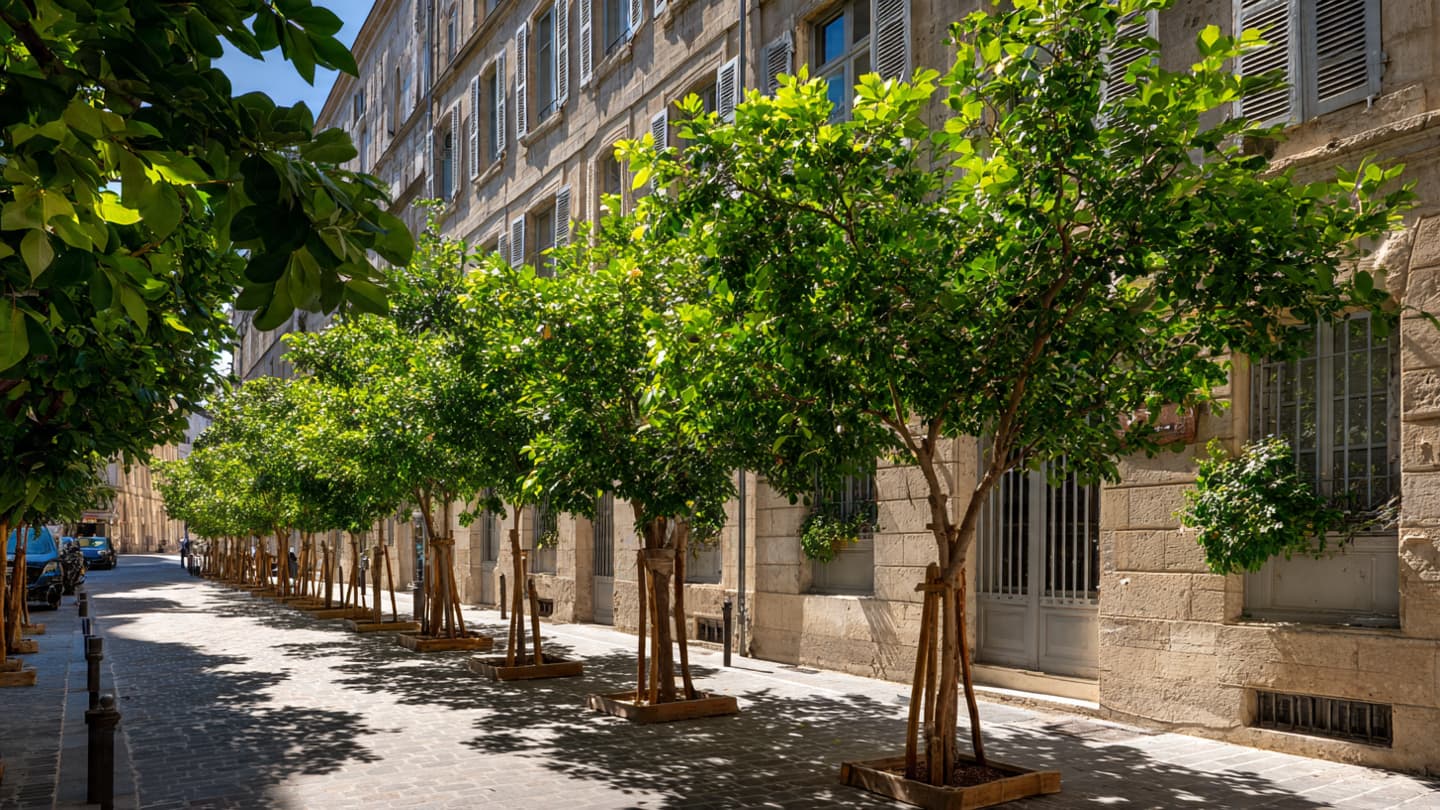
Across France, city leaders are increasingly turning to trees as a long-term solution to combat the rising temperatures associated with climate change. As heatwaves become more frequent and intense, municipalities are expanding tree-planting programs aimed at enhancing urban resilience. While a newly planted tree may not provide immediate relief, it represents a crucial investment in creating cooler, healthier cities for future generations.
The initiative comes in response to the urban heat island effect, where densely populated areas absorb and retain heat more effectively than surrounding rural regions. This phenomenon can lead to significantly higher temperatures in cities, especially during extreme weather events. Urban planners recognize that trees can play a vital role in mitigating these effects. The shade provided by tree canopies helps lower surface temperatures, while the natural processes of evaporation contribute to cooling the surrounding air.
In recent months, several French cities have announced ambitious plans to increase tree coverage across neighborhoods, parks, school grounds, and transportation corridors. These projects prioritize areas most vulnerable to extreme heat, ensuring that investments in green spaces benefit those who need them most. Residents have generally embraced these initiatives, finding shaded streets and parks to be valuable refuges during the recent heatwave. This experience has heightened public awareness of the practical benefits associated with urban greenery.
Environmental specialists emphasize that successful tree-planting programs require careful long-term planning. Factors such as tree selection, maintenance, water availability, and climate suitability are crucial for achieving desired outcomes. Municipal authorities are collaborating with landscape architects, ecologists, and climate experts to maximize the effectiveness of these projects, ensuring that they contribute positively to urban environments.
This shift towards integrating natural systems into urban design reflects a broader trend in climate adaptation strategies. Rather than relying solely on technological solutions, many planners are now viewing parks, green roofs, and tree-lined streets as essential infrastructure. This holistic approach not only addresses immediate climate challenges but also enhances the overall quality of life for residents.
Research indicates that the benefits of urban greening extend beyond temperature reduction. Green spaces can improve mental well-being, encourage outdoor activities, and foster community connections. In this way, tree-planting initiatives contribute to both environmental resilience and social cohesion.
Funding for these initiatives often comes from a mix of municipal budgets, environmental programs, and national support mechanisms. As awareness of climate challenges continues to grow, investments in urban greening are becoming increasingly common across Europe and other regions facing similar issues.
As France endures another exceptionally warm summer, the newly planted trees may not immediately transform the urban landscape. However, they symbolize a long-term commitment to adaptation and resilience. Beneath the heat of the present season, cities are laying the groundwork for a cooler, more sustainable future.
Published by Banx Network. This article is part of the Banx decentralized media programme, powered by the BXE token on the XRP Ledger.



