
Key Highlights
- Transition Goal:China targets 73% of steel production from electric arc furnaces by 2060.
- Current Status:Only 10% of steel is produced using electric arc technology today.
- Environmental Impact:The shift aims to enhance sustainability and reduce carbon emissions in the steel industry.
China's steel industry, a cornerstone of its industrial landscape, is undergoing a transformative shift towards sustainability. The Chinese Ministry of Industry and Information Technology has announced an ambitious roadmap that aims for 73% of the nation's steel production to come from electric arc furnaces (EAF) by the year 2060. This significant increase from the current 10% marks a pivotal moment in the country's efforts to achieve carbon neutrality and reduce its environmental footprint.
Electric arc furnaces represent a cleaner alternative to traditional steelmaking methods, which rely heavily on coal and other fossil fuels. By utilizing recycled steel scrap and integrating renewable energy sources, EAF technology not only minimizes carbon emissions but also promotes a circular economy. This approach allows for the recycling of steel, reducing the need for virgin iron ore and lessening the environmental impact associated with mining and processing raw materials.
The transition to electric arc furnaces is not merely a technological upgrade; it signifies a fundamental rethinking of how steel is produced and consumed. Experts predict that this shift will not only alter the dynamics of the Chinese steel market but will also have far-reaching implications for the global iron ore market. As China moves towards greener manufacturing practices, it sets a new standard for industries worldwide, encouraging other nations to follow suit in their pursuit of sustainability.
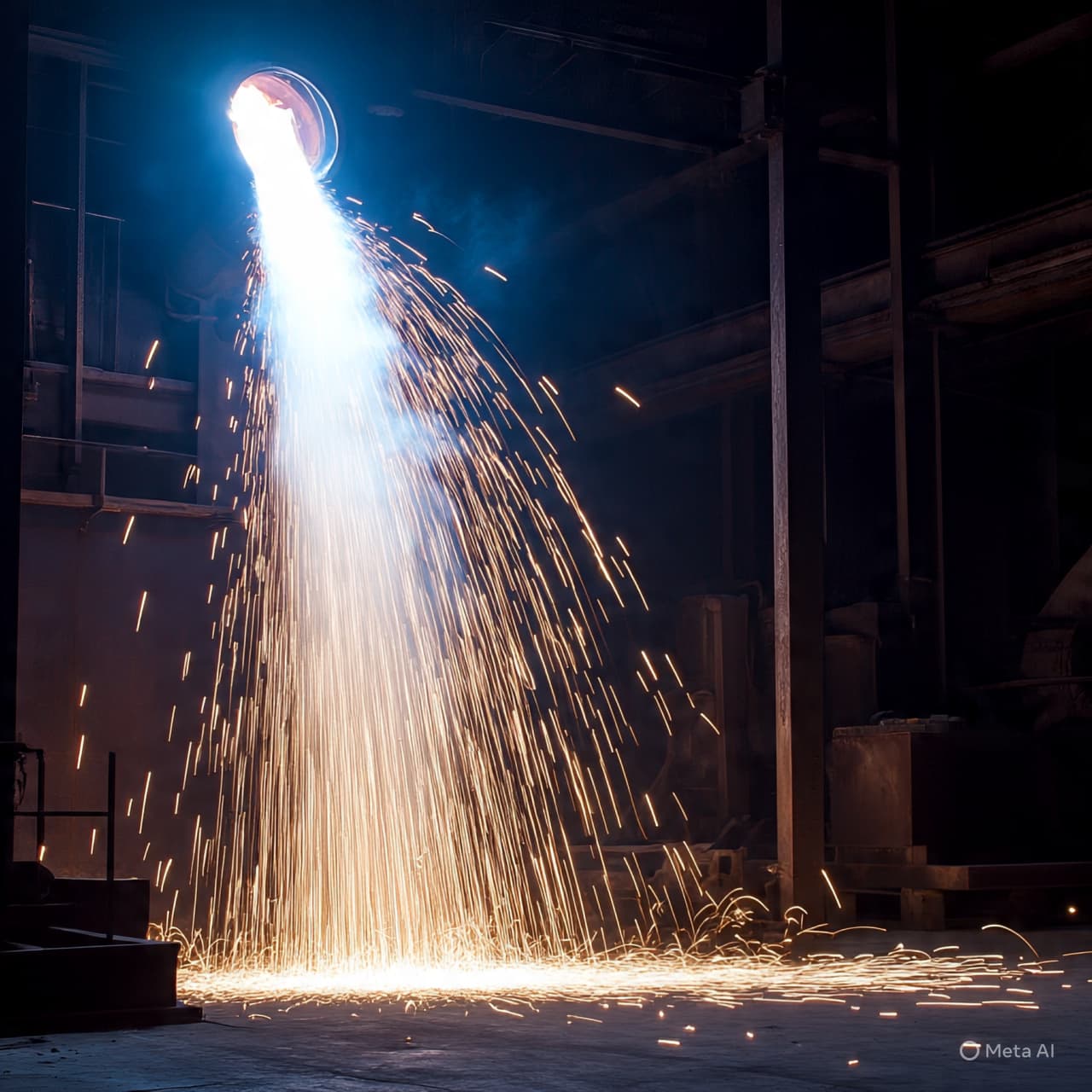
In the heart of China's steel mills, the change is palpable. The electric arc, a bridge of light, symbolizes a new era of steel production that is both efficient and environmentally friendly. This technology allows for precise control over the melting process, enabling manufacturers to produce high-quality steel while minimizing energy consumption. As researchers delve into the intricacies of metallurgy, they are discovering how the electric flame alters the properties of iron, paving the way for innovations that could further enhance efficiency and sustainability.
The implications of this transition extend beyond the steel industry itself. As China reconfigures its industrial landscape, it is also addressing broader environmental concerns. The commitment to carbon neutrality reflects a growing awareness of the need to harmonize industrial growth with ecological preservation. This shift is a testament to the idea that heavy industries can evolve to coexist with the natural world, fostering a future where economic development does not come at the expense of the environment.
As the sun sets over the sprawling steel mills, the glow of molten metal serves as a reminder of the ongoing transformation. The fire that once symbolized industrial might is now evolving into a beacon of sustainability. The steel of the future, born from the arc of electric light, promises a world where the forge and the forest can thrive together, marking a significant step towards a more sustainable and responsible industrial future.
In conclusion, China's ambitious plan to increase its reliance on electric arc furnaces by 2060 is a bold move towards a greener future. This initiative not only aims to reduce carbon emissions but also sets a precedent for sustainable manufacturing practices globally. As the world watches, the steel industry is poised for a revolution that could redefine its relationship with energy and the environment.
Published by Banx Network. This article is part of the Banx decentralized media programme, powered by the BXE token on the XRP Ledger.



