In the quiet patterns of life’s rhythm, the heart has long been seen as both steadfast and silently vulnerable. For centuries, physicians and poets alike have pondered its mysteries — how it sustains us with tireless beats, yet bears the burden of every loss. Now, in a discovery that feels almost like discovering a subtle new dark in a familiar twilight, scientists have glimpsed a whispered promise within the human heart itself: the capacity to remake what was thought permanently lost, to weave new strands of muscle where only injury had reigned.
For decades, the received wisdom in medicine held that once heart muscle cells — cardiomyocytes — are lost during a heart attack, they are gone forever. The scar tissue that fills the wound is a testament to our resilience, but also a reminder of the limits nature imposes. This belief, however, has been gently upended by a world‑first study out of Australia. Researchers at the University of Sydney, working with colleagues at the Baird Institute and Royal Prince Alfred Hospital, have found that the human heart does, in fact, produce new heart muscle cells in the aftermath of a heart attack — though in small numbers and not enough to fully restore function.
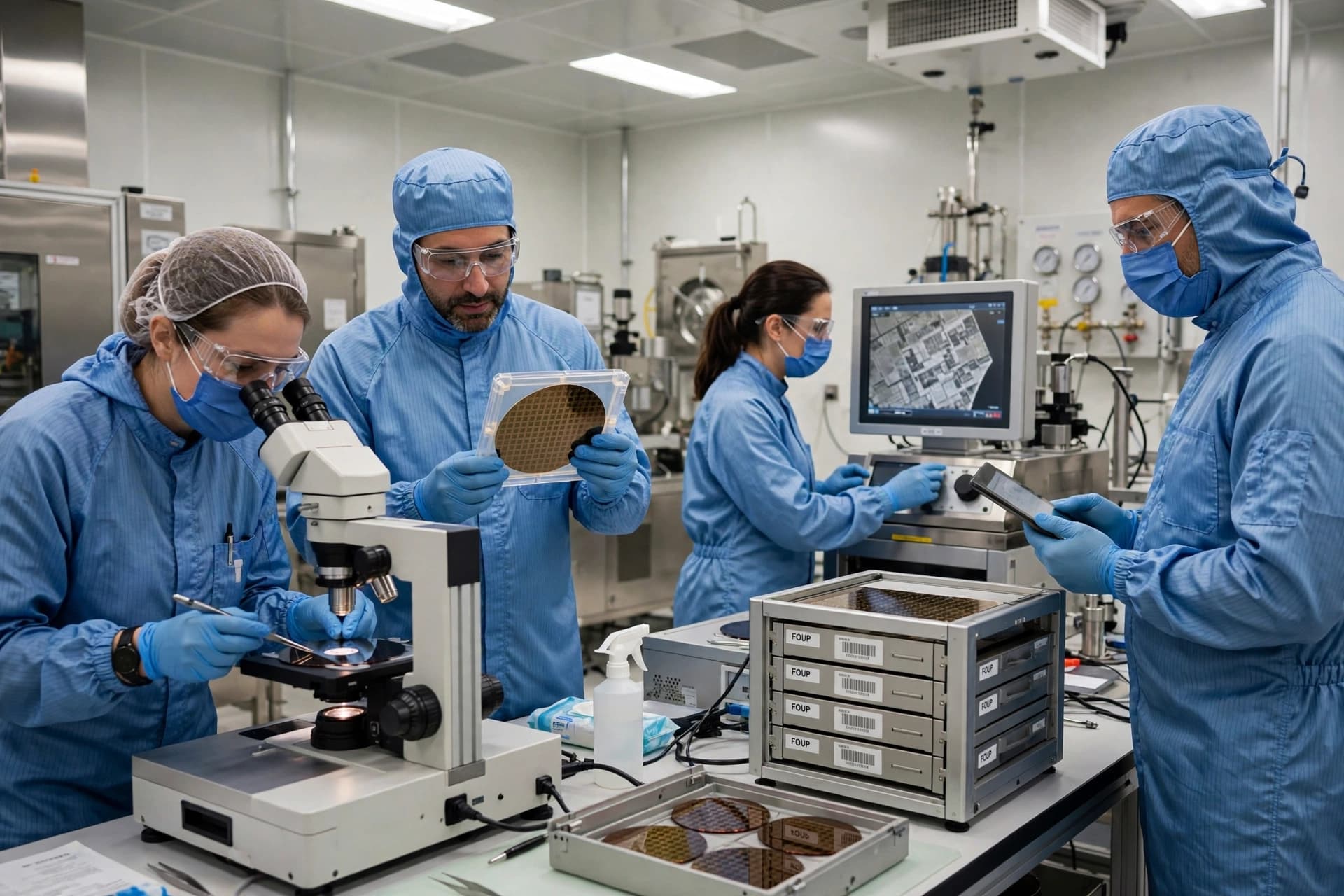
The team’s work, published in Circulation Research, analyzed living heart tissue taken from consenting patients during bypass surgery. This novel approach allowed scientists to observe, in real human samples, evidence of cell division where once only cell death was expected. The sight of new cardiomyocytes emerging in the aftermath of injury evokes the sense of tender shoots breaking through winter soil — not yet a forest, but a sign of life’s persistence.
Lead researcher Robert Hume described a shift in perspective: where once the damaged heart was thought irreparably marred, it now appears to hold a faint, intrinsic ability to renew itself. Yet the heart does not simply replace the lost cells in sufficient numbers on its own; the discovery lies more in the heart’s potential to regenerate rather than its capacity in current clinical terms.
Senior author Professor Sean Lal underlined the cautious optimism in the findings. It is early, and much remains to be understood before therapies emerge from the laboratory. But the identification of molecular signals and processes involved in this regenerative response offers a foundation for future therapies that could amplify the heart’s natural tendencies — guiding it to heal more effectively, much like a gardener cultivates tender shoots after a harsh frost.
This discovery resonates with other research into heart regeneration — for example, work on genes like Cyclin A2 that can coax adult human cells back into division, which suggests complementary pathways toward healing heart tissue after injury.
For patients and families touched by heart disease — the world’s leading cause of death — the idea that a heart can muster even modest self‑renewal is a gentle light in a field where hope has often been tethered to transplants and mechanical support. The journey from discovery to cure is long, and the heart’s new courage is only the first step. But it is a step that invites us to reconsider what regeneration might mean in the organ we most associate with life’s endurance.
In time, clinicians and scientists alike may look back on this moment as the beginning of a new chapter — one that recognizes the heart not just as a witness to injury, but as an ally in recovery. For now, the news is careful: the heart does not yet heal itself completely, but it does begin to rewrite the story of what is possible.
🖼 AI Image Disclaimer (rotated wording) Visuals are created with AI tools and are not real photographs, meant for conceptual illustration only.
📚 Sources Medical Xpress China Daily/Xinhua DD News NDTV (syndicated) Mount Sinai press release
Published by Banx Network. This article is part of the Banx decentralized media programme, powered by the BXE token on the XRP Ledger.