
Key Highlights
- Mali's vaccination campaign targets climate-related diseases.
- The initiative focuses on vulnerable populations affected by flooding.
- Supported by the World Bank and CVD-Mali, it aims to strengthen health resilience.
Mali is embarking on a significant vaccination campaign aimed at combating diseases exacerbated by climate change. This initiative, launched by health authorities in collaboration with the World Bank and the Center for Vaccine Development (CVD-Mali), seeks to protect the most vulnerable populations from the health impacts of rising temperatures and increased flooding. The campaign is particularly focused on immunizing children and at-risk groups against waterborne and vector-borne illnesses, which are becoming more prevalent due to changing environmental conditions.
The air in the Sahel carries a restless heat, a tangible reminder that the rhythms of the earth are shifting in ways that touch the very core of human health. In the vibrant markets and quiet villages of Mali, a new melody is being composed—a symphony of care designed to protect the most vulnerable from the diseases that travel on the wings of a changing climate. As the dust of the Sahara swirls through the streets of Bamako, the arrival of this vaccination campaign brings a sense of quiet fortification, a shield raised against the unseen fever.
Health authorities are navigating this terrain with reflective grace, recognizing that the battle for well-being is increasingly tied to the temperament of the sky. The campaign is not merely a medical response but a meditative engagement with the environment, focusing on the seasonal patterns that allow illness to take root. It is a slow, methodical movement of resources and knowledge, ensuring that the cooling vials of medicine reach the furthest reaches of the river and the desert.
As the morning light touches the high mud-brick walls of ancient towns, clinics fill with the sounds of a community tending to itself. The focus on climate-related disease outbreaks reflects a sophisticated understanding of how temperature and moisture act as invisible architects of epidemics. This initiative breathes with the pulse of the nation, providing a layer of security that allows families to face the uncertainty of the coming rains with calm and focused hearts.
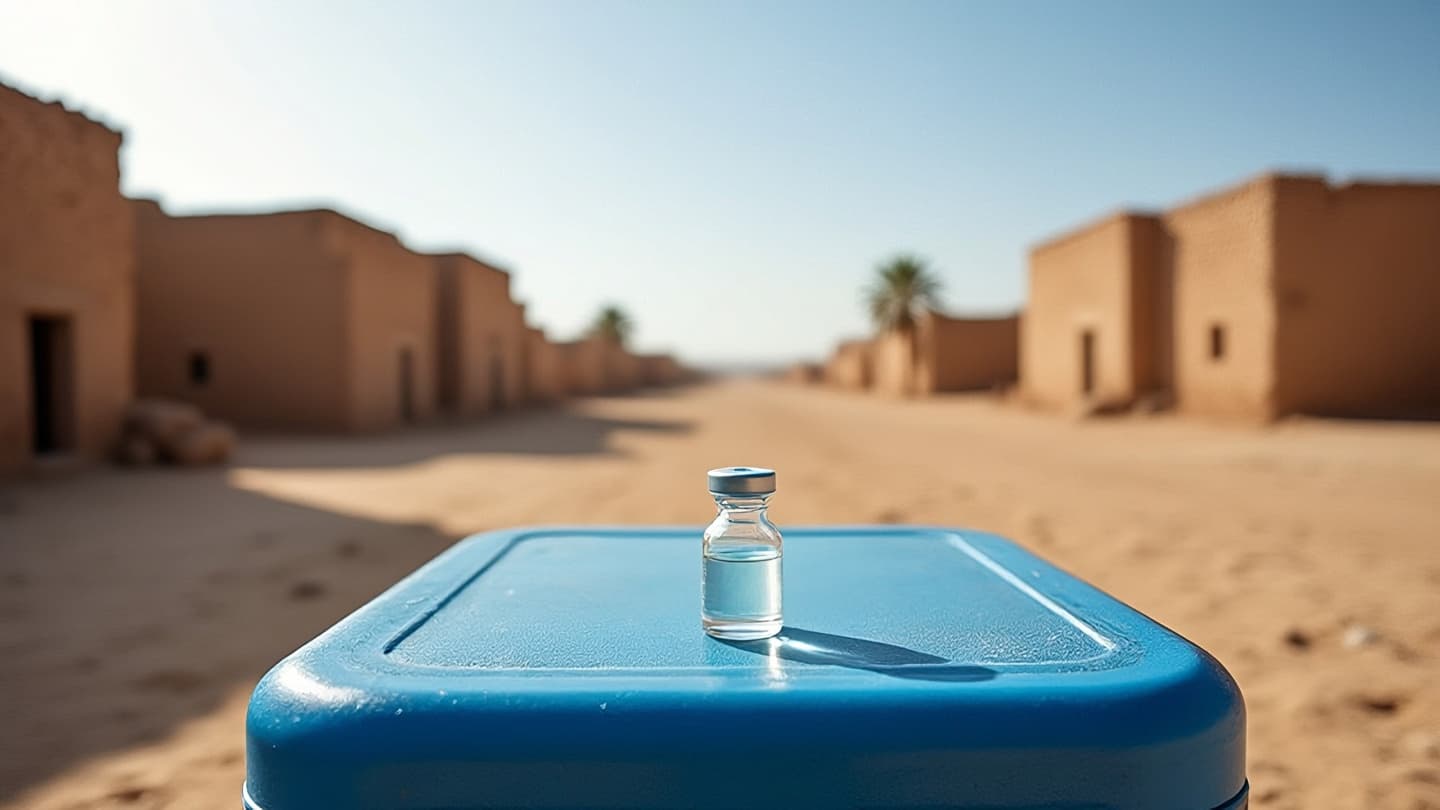
The effort is a testament to the endurance of those who walk the red earth, delivering hope in small, glass containers. Every child reached is a marker of persistence, bridging the clinical precision of the laboratory and the rugged reality of the northern plains. The narrative is one of stewardship, where the health of the individual is seen as inextricably linked to the stability of the land and the predictability of the seasons.
Within the command centers of the health ministry, data acts as a silent sentinel, guiding the path of mobile teams with an unerring gaze. The integration of meteorological data into public health strategy represents a transition toward a more proactive stance, where the arrival of the storm is met with the preparation of the needle. It is a dance of science and survival, where the wisdom of the elders meets the analytical power of the modern epidemiologist.
The campaign is a promise kept, a physical manifestation of the belief that geography should not dictate the right to a healthy life. The vaccines are the silent guardians of the future, ensuring that the curiosity of the student and the labor of the farmer are not interrupted by the sudden onset of a preventable plague. The impact of this vigilance is felt in the steadying of the social fabric, providing a foundation of health upon which all other progress is built.
Looking forward, the success of this campaign marks a milestone in the nation’s journey toward health equity. The challenges of the climate have been met with focused resolve, resulting in a system that is as robust as the people it serves. The needles that now provide protection across the Malian horizon are more than just tools of medicine; they are the threads of a healthier tomorrow, glowing with the soft, steady light of a country caring for its own.
Published by Banx Network. This article is part of the Banx decentralized media programme, powered by the BXE token on the XRP Ledger.



