
Key Highlights
- New research suggests gut compounds influence brain health.
- Hydrogen sulfide may protect neurons from oxidative stress.
- A healthy microbiome could help prevent cognitive decline.
Researchers are uncovering surprising connections between the gut and brain health, particularly in the context of Alzheimer’s disease. Recent studies have focused on hydrogen sulfide, a compound produced during digestion that is often associated with unpleasant odors. Despite its reputation, hydrogen sulfide plays a crucial role in cellular signaling and inflammation regulation, which are vital for maintaining neuronal health.
The latest findings indicate that moderate levels of hydrogen sulfide may help protect neurons from oxidative stress, a significant contributor to neurodegenerative diseases like Alzheimer’s. This research highlights the importance of balance in the gut microbiome, where certain compounds can have protective effects when present in appropriate amounts.
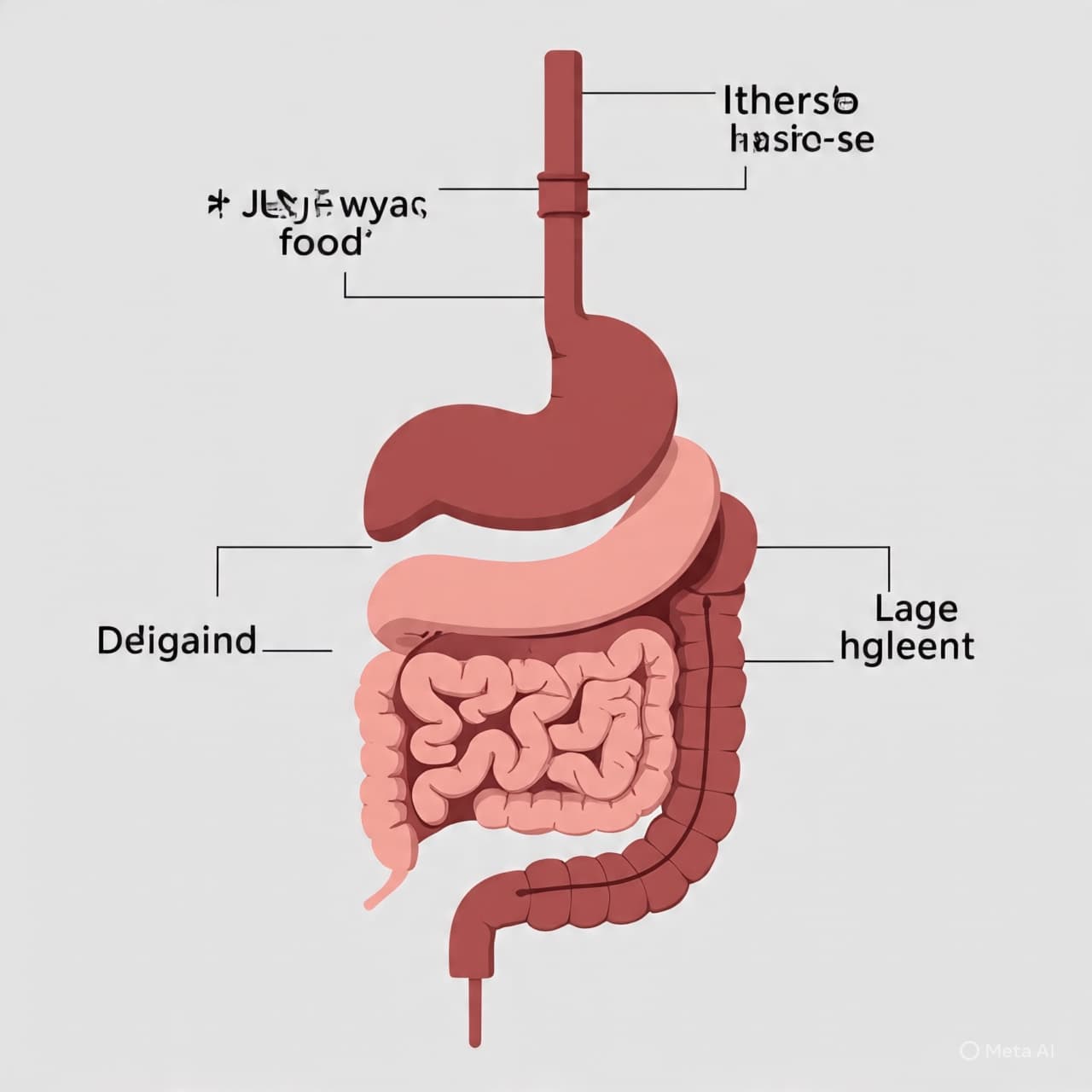
The gut microbiome, a complex ecosystem of bacteria residing in the digestive tract, has been shown to exert profound effects on various bodily functions, including brain health. The interplay between diet, gut bacteria, and brain function is becoming increasingly clear. Foods rich in fiber, fermented products, and prebiotics can support a healthy microbiome, potentially enhancing the production of beneficial compounds like hydrogen sulfide.
Experts caution against misinterpreting these findings. While the idea of smelling flatulence as a therapeutic strategy is humorous, it underscores the intricate relationship between our diet and cognitive health. The research does not advocate for any specific dietary changes solely based on the presence of hydrogen sulfide but rather emphasizes the broader implications of maintaining a healthy gut microbiome.
This emerging theme in neuroscience suggests that seemingly mundane processes within our bodies can significantly impact long-term cognitive function. By exploring these connections, scientists aim to develop interventions that leverage natural biological mechanisms to prevent or slow the progression of Alzheimer’s disease.
The implications of this research are both surprising and encouraging. The digestive system, often overlooked in discussions about brain health, may harbor protective factors that influence cognitive decline. As researchers continue to investigate these relationships, the potential for new strategies to combat neurodegenerative diseases becomes increasingly promising.
In conclusion, understanding the role of gut-derived compounds in brain health could lead to innovative approaches to prevent or mitigate the effects of Alzheimer’s disease. As we learn more about the gut-brain connection, it becomes clear that even the most unassuming aspects of our biology can play vital roles in our overall health.
Published by Banx Network. This article is part of the Banx decentralized media programme, powered by the BXE token on the XRP Ledger.



