
Key Highlights
- Recent Earthquake:A powerful earthquake struck the Philippines, affecting multiple communities.
- Emergency Response:Local authorities mobilized rescue teams and medical personnel to assist affected residents.
- Seismic Vulnerability:The Philippines is located along the Pacific Ring of Fire, making it prone to earthquakes.
The earth often appears steady beneath our feet, a foundation so familiar that its quiet strength is rarely questioned. Yet from time to time, nature reminds humanity that even the ground itself remains in motion. A powerful earthquake that struck the Philippines has once again highlighted the region's vulnerability to seismic activity.
According to early reports, the earthquake affected several communities and prompted emergency responses from local authorities. Rescue teams, medical personnel, and disaster management agencies quickly mobilized to assess conditions and support affected residents. The immediate aftermath of such events often brings uncertainty, as families seek information, check on loved ones, and evaluate the safety of their homes and workplaces.
The Philippines sits along the Pacific Ring of Fire, one of the world's most active seismic zones. Earthquakes and volcanic activity are recurring realities for many communities across the archipelago, making preparedness a crucial part of national resilience efforts. Initial assessments focused on infrastructure, transportation networks, and residential areas, as authorities worked to determine the extent of damage while ensuring that emergency services remained accessible to affected populations.
Community response frequently becomes an essential part of recovery during the earliest stages following a disaster. Local organizations and volunteers often play a vital role in providing immediate assistance, distributing food and supplies, and offering emotional support to those in distress. This grassroots mobilization is critical in the wake of such events, as it fosters a sense of solidarity and shared purpose among residents.
Emergency management agencies also monitor the possibility of aftershocks. While these secondary tremors vary in intensity, they can complicate response operations and create additional concerns for affected communities. Authorities are tasked with keeping the public informed about potential risks and safety measures to mitigate further harm.
International organizations and neighboring countries often express support following major natural disasters. Humanitarian assistance, technical expertise, and emergency resources may become available depending on the scale of the event. This global solidarity is crucial in helping communities recover and rebuild, as it highlights the interconnectedness of nations in times of crisis.
Scientists continue studying seismic activity throughout the region to improve understanding of earthquake behavior and strengthen preparedness systems. Advances in monitoring technology have enhanced the ability to assess risks and communicate warnings more effectively. As response efforts continue, attention remains focused on community safety, recovery operations, and damage assessments. The earthquake serves as another reminder of the importance of preparedness in one of the world's most seismically active regions.
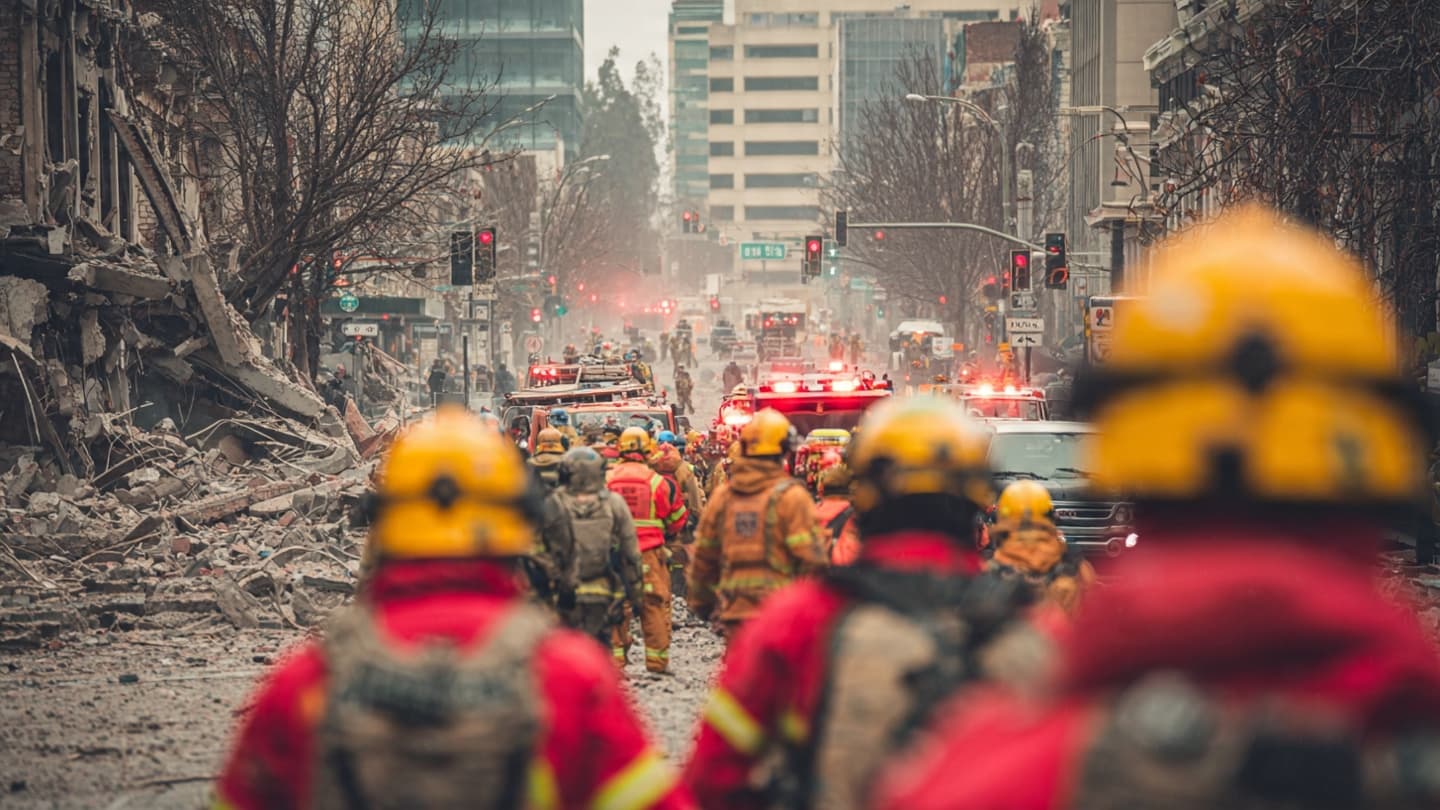
AI Image Disclaimer: This image was generated with AI tools to illustrate the news topic and does not depict the actual event.
Published by Banx Network. This article is part of the Banx decentralized media programme, powered by the BXE token on the XRP Ledger.



