

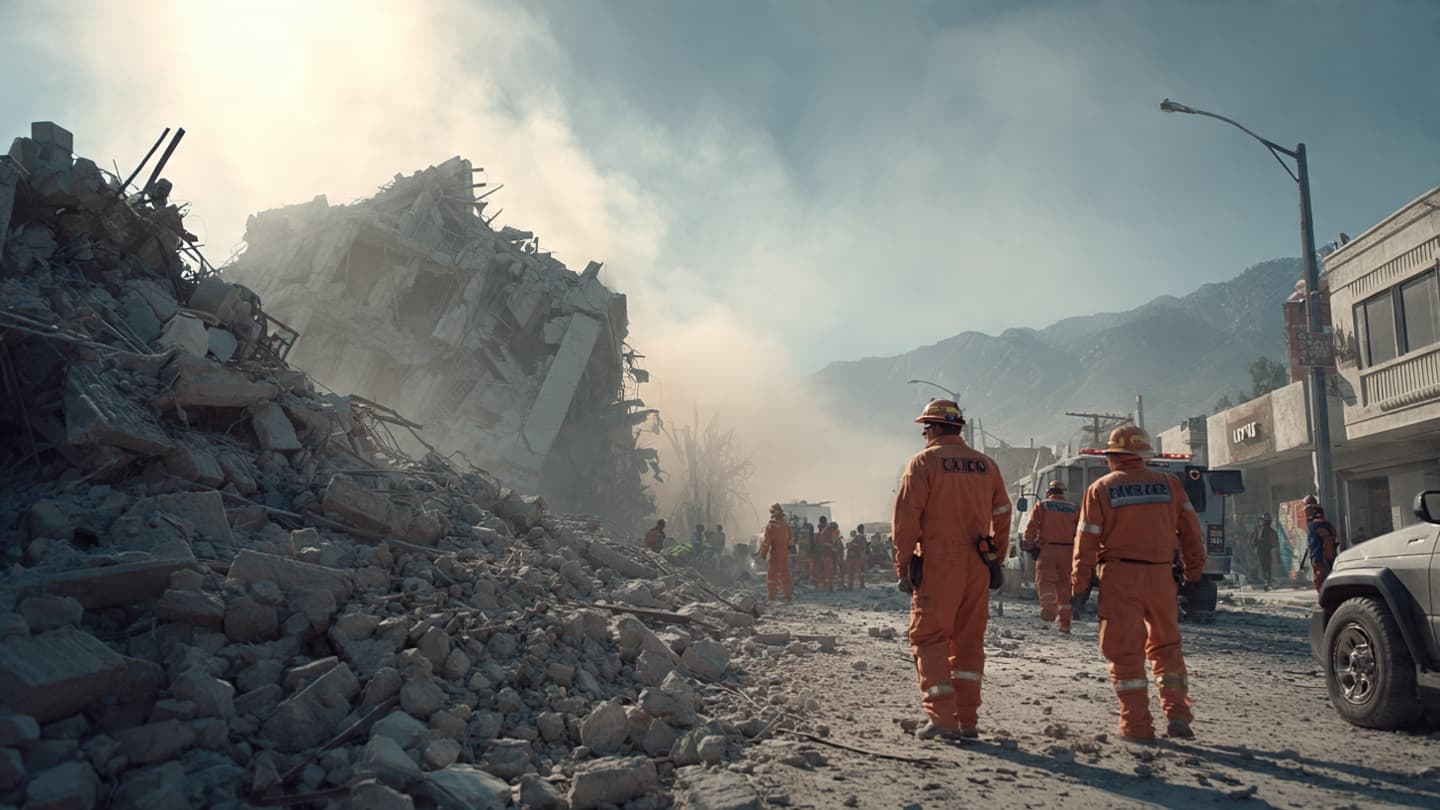
Key Highlights
- Earthquake Impact:Thousands affected by a recent earthquake in Venezuela.
- Emergency Response:Rescue teams deployed for damage assessment and aid.
- Community Efforts:Local volunteers join humanitarian organizations in recovery.
In a stark reminder of nature's power, a recent earthquake in Venezuela has left thousands of residents grappling with the aftermath of destruction. The seismic event struck without warning, prompting immediate emergency response operations across the affected regions. Authorities have reported significant damage to homes, public infrastructure, and transportation networks, highlighting the vulnerability of communities in seismically active areas.
Rescue teams were swiftly mobilized to assess the damage and provide assistance to injured residents. Local authorities established temporary shelters to accommodate families displaced by the earthquake. Initial assessments revealed varying levels of destruction, with engineers and emergency officials conducting thorough inspections to evaluate structural risks and ensure public safety.
In the wake of the disaster, emergency agencies have urged residents to remain vigilant, particularly in areas prone to aftershocks. Public information campaigns have been launched to disseminate safety guidance and evacuation procedures, aiming to prepare communities for potential further seismic activity. The focus on safety is paramount as the region continues to experience tremors following the initial quake.
Humanitarian organizations, alongside local volunteers, have stepped up to deliver essential supplies, including food, water, and medical assistance, to those affected. The collaborative efforts between government agencies and community members underscore the resilience and solidarity of Venezuelans in times of crisis. These initiatives are crucial in addressing immediate needs while laying the groundwork for long-term recovery.
Seismologists emphasize that Venezuela's location within a tectonically active region makes earthquakes a persistent threat. As such, preparedness measures and resilient infrastructure are vital components of disaster risk reduction strategies. The recent earthquake serves as a stark reminder of the importance of ongoing efforts to enhance community resilience against natural disasters.
International agencies have expressed their solidarity with Venezuela, indicating readiness to support relief efforts should additional assistance be required. As recovery operations progress, authorities remain focused on ensuring the safety of affected populations while assessing the long-term reconstruction needs of the impacted areas.
The road to recovery may be long, but the commitment of communities to come together and rebuild is a testament to their strength and determination in the face of adversity.
Published by Banx Network. This article is part of the Banx decentralized media programme, powered by the BXE token on the XRP Ledger.




