
Key Highlights
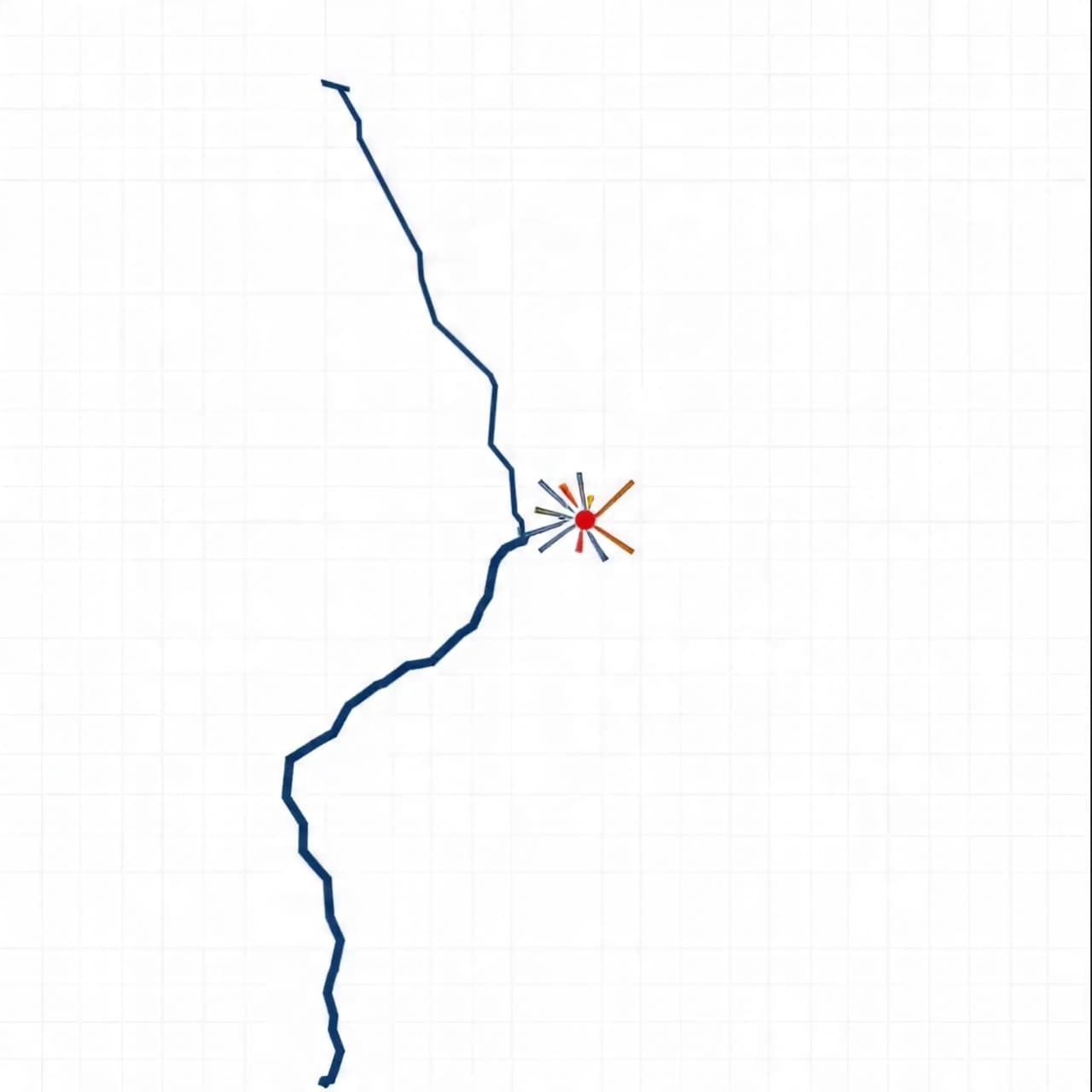
- Earthquake Magnitude:A mild tremor measuring 3.2 was recorded in Johor, Malaysia.
- No Damage Reported:The earthquake caused no structural damage or injuries.
- Seismic Monitoring:Authorities continue to track seismic activity in the region.
A mild earthquake measuring 3.2 on the Richter scale was recorded in Johor, a southern state of Malaysia, according to the Malaysian Meteorological Department. The tremor, which occurred recently, was detected by regional seismic monitoring systems that continuously track vibrations across Southeast Asia. While the earthquake was minor and caused no reports of damage, it serves as a reminder of the geological activity that can occur even in regions not typically associated with seismic events.
The earthquake was detected at a depth that is common for minor tremors, and although it was not widely felt, residents in the vicinity may have experienced a brief shaking. Earthquakes of this magnitude are generally classified as minor and are unlikely to cause significant structural damage. However, they can be felt by individuals close to the epicenter, leading to momentary concern.
Johor is located at the southern tip of the Malay Peninsula and is not considered a high-risk area for earthquakes compared to regions closer to major tectonic boundaries. Nevertheless, minor seismic activity can occur due to distant tectonic stresses or localized geological adjustments. The recent tremor highlights the interconnectedness of geological forces that shape the region.
Seismic monitoring agencies play a crucial role in tracking such events, contributing to a better understanding of seismic patterns in Southeast Asia. Even small earthquakes provide valuable data that help scientists map how tectonic forces influence the complex geological landscape of the region. The continuous monitoring of seismic activity is essential for enhancing public awareness and preparedness for potential future events.
For most residents of Johor, life continued as usual following the tremor. Traffic flowed along highways, businesses operated normally, and daily routines resumed without interruption. The brief tremor quickly faded from memory, but it serves as a reminder that the Earth is a dynamic and ever-changing planet, with tectonic movements occurring beneath the surface.
As the region remains connected to the shifting geology below, the recent earthquake underscores the importance of ongoing monitoring and research into seismic activity. Understanding these geological processes is vital for ensuring the safety and preparedness of communities in the face of potential future seismic events.
Published by Banx Network. This article is part of the Banx decentralized media programme, powered by the BXE token on the XRP Ledger.



