

Key Highlights
- Recent Earthquake:A powerful earthquake struck Myanmar, causing extensive damage.
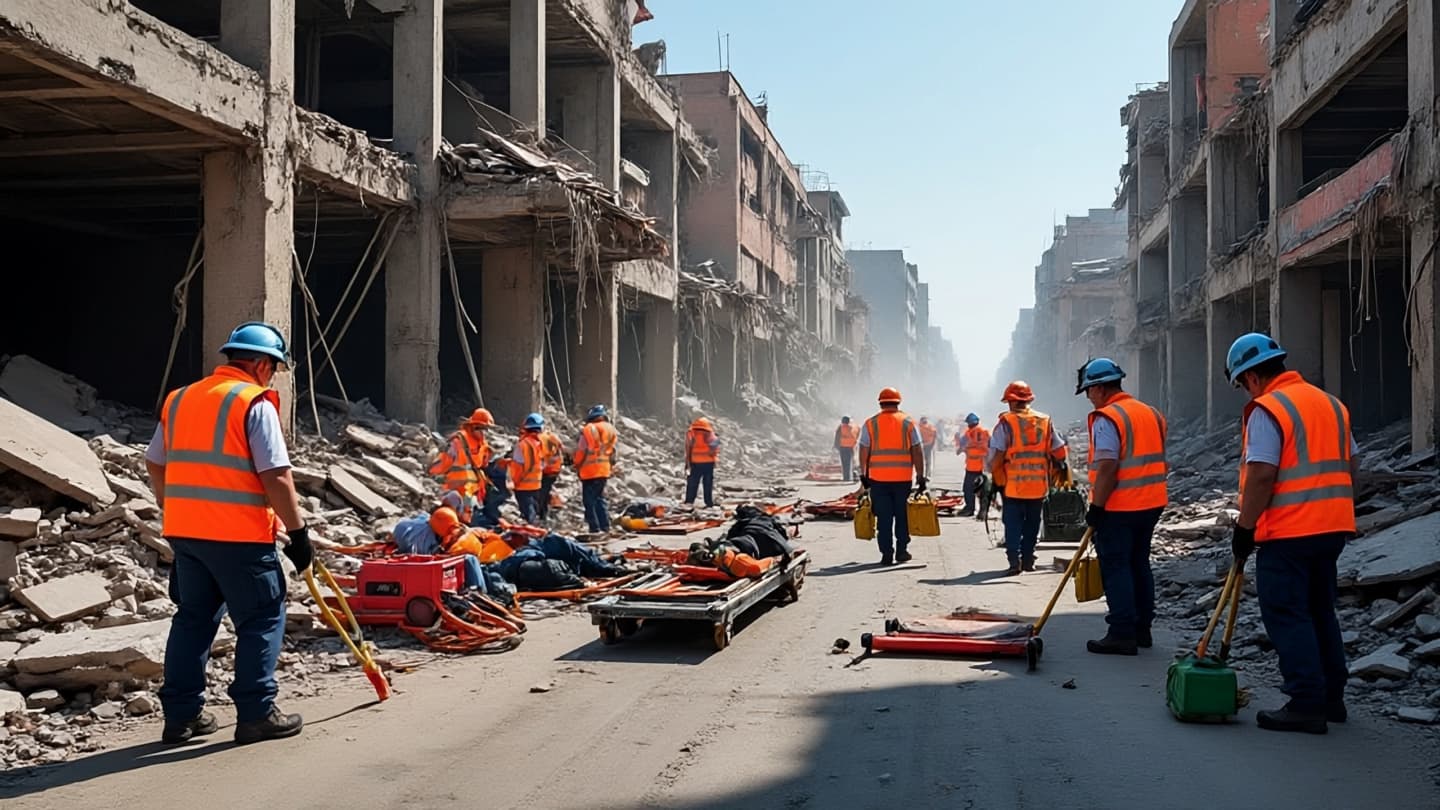
- Rescue Operations:Emergency responders are conducting large-scale rescue efforts.
- Importance of Preparedness:The disaster underscores the need for effective earthquake preparedness measures.
A powerful earthquake struck Myanmar, causing widespread damage and prompting large-scale rescue operations. The disaster affected communities across several areas, with emergency responders, local authorities, and international organizations working together to assist people trapped beneath damaged structures and provide essential aid. The earthquake's impact has been felt across various regions, leading to urgent calls for assistance and support for those affected.
The earthquake caused significant destruction to buildings, roads, and public infrastructure. Many residents were forced to leave their homes as authorities assessed damage and worked to establish temporary shelters. Rescue teams utilized specialized equipment to search collapsed structures while medical workers treated those injured during the disaster. The immediate aftermath of such events often sees communities rallying together, showcasing resilience and solidarity in the face of adversity.
Emergency response after an earthquake requires careful coordination. Search-and-rescue teams must work quickly while also ensuring their own safety in unstable environments. Engineers, medical personnel, and disaster specialists often collaborate to identify dangerous areas and prioritize locations where survivors may still be found. This collaborative effort is crucial in maximizing the chances of saving lives and providing timely assistance to those in need.
Scientists explain that earthquakes occur when energy stored within the Earth’s crust is suddenly released along geological faults. While modern technology allows researchers to monitor seismic activity and identify areas with higher risks, earthquakes remain difficult to predict with precise timing. This unpredictability emphasizes the importance of preparedness and the need for communities to have robust emergency plans in place.
The disaster has also highlighted the importance of earthquake preparedness. Building standards, public education, emergency planning, and early warning systems all contribute to reducing the impact of major seismic events. Countries located in earthquake-prone regions continue investing in these measures to protect communities. The lessons learned from past earthquakes inform current practices and help mitigate future risks.
Beyond the immediate rescue phase, recovery after an earthquake can become a long-term challenge. Rebuilding homes, restoring infrastructure, supporting affected families, and recovering local economies often require cooperation between governments, humanitarian organizations, and communities. The road to recovery is often long and complex, necessitating sustained efforts and resources to rebuild lives and restore normalcy.
As rescue operations continue, attention remains focused on saving lives and supporting survivors. Earthquakes demonstrate the vulnerability of human communities in the face of natural forces, but they also reveal the strength of cooperation and compassion during moments of crisis. The collective response to such disasters serves as a reminder of our shared humanity and the importance of standing together in times of need.
AI Image Disclaimer: The illustrations accompanying this article are AI-generated editorial representations and do not show the actual earthquake location, victims, or rescue operations.
Source Verification: Verified.
Published by Banx Network. This article is part of the Banx decentralized media programme, powered by the BXE token on the XRP Ledger.




