The earth moves without warning, and then it settles again, leaving behind a brief stillness filled with listening. In parts of Mexico, that pause arrived after the ground rolled beneath homes and streets, reminding residents of a force that lives far below sight.
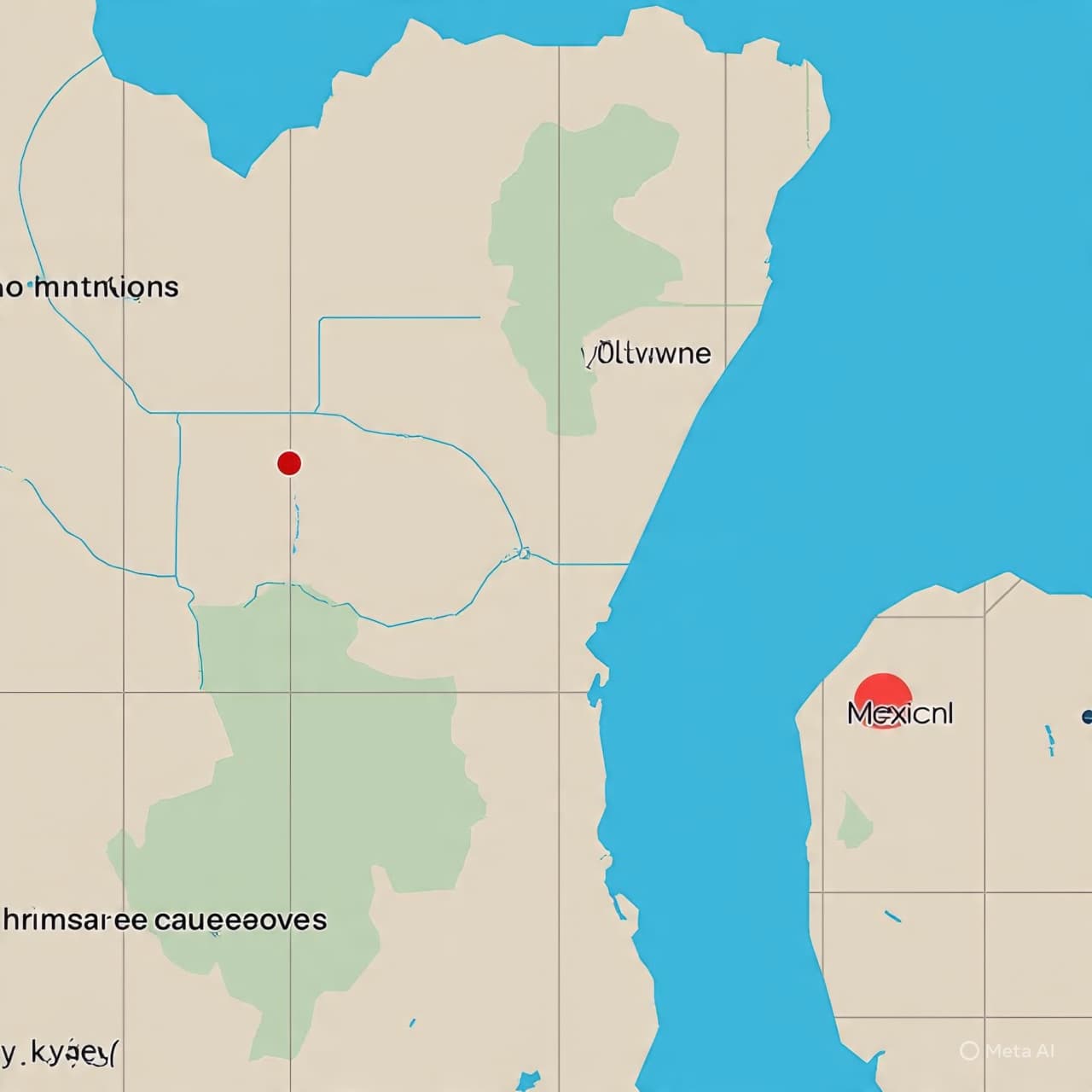
A magnitude 6.5 earthquake struck Mexico, according to seismic authorities, sending tremors across a wide area and prompting alerts in nearby cities. The quake’s epicenter was located offshore, along a tectonically active stretch where the Pacific plate meets the North American plate, a boundary long familiar with sudden motion.
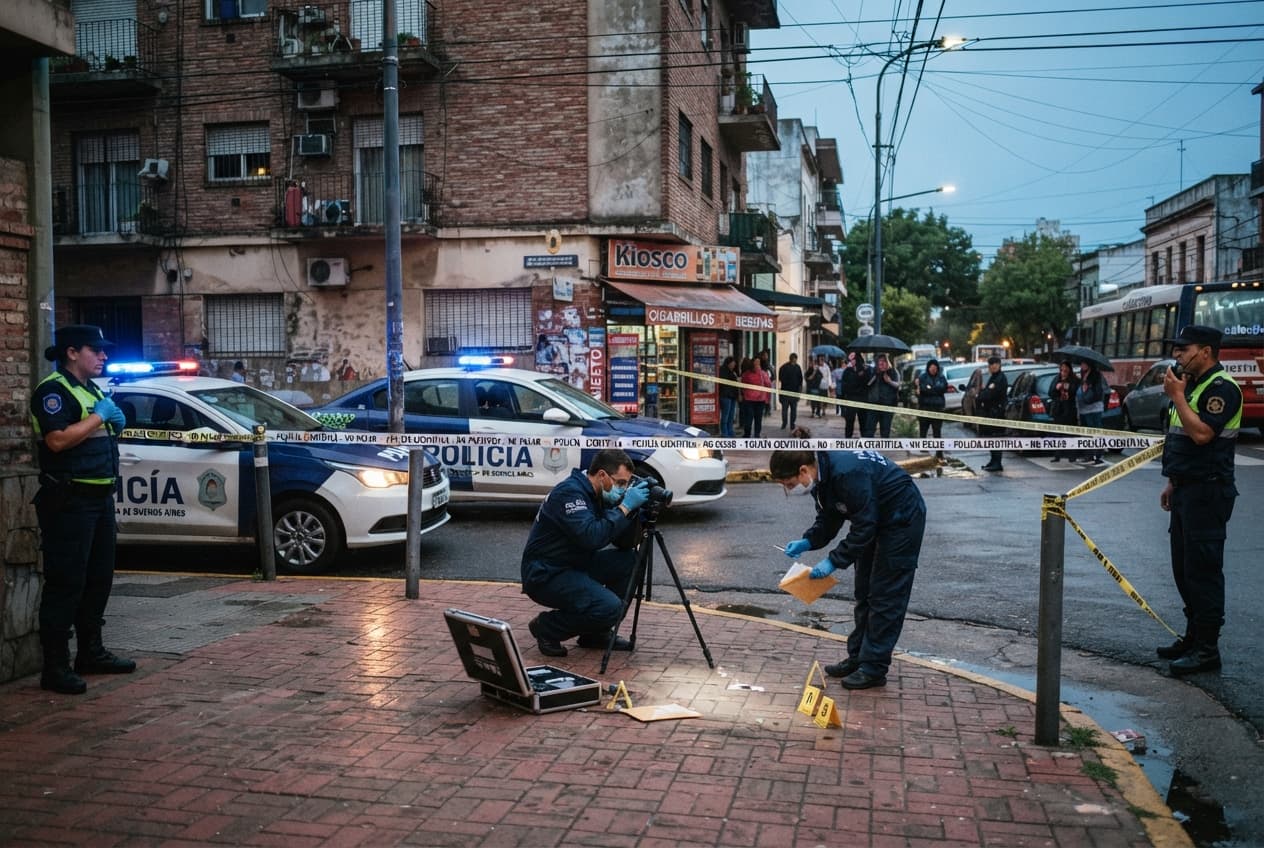
Buildings swayed, objects shifted, and residents stepped into open spaces as alarms sounded. Initial reports indicated no immediate fatalities, though authorities began assessments for structural damage and disruptions. Emergency services moved quickly to inspect infrastructure, particularly in coastal and urban areas where shaking was most strongly felt.
Mexico’s national seismic monitoring agency said the quake occurred at a depth consistent with regional subduction activity. Such earthquakes are common along the country’s southern and western coastline, where energy accumulates slowly and releases in brief, decisive moments.
Officials issued no tsunami warnings, and early evaluations suggested limited damage. Still, memories of past earthquakes linger, shaping how each new tremor is experienced. Even moderate events carry weight in a country shaped by seismic history, where preparedness and caution are part of daily civic life.
As daylight returned to routine, authorities continued to gather information, urging calm while monitoring for aftershocks. The land had shifted, then steadied, leaving behind a familiar reminder: beneath Mexico’s cities and coasts, the earth remains alive, moving at its own pace.
Published by Banx Network. This article is part of the Banx decentralized media programme, powered by the BXE token on the XRP Ledger.