The peace of a regional center is an intangible collective asset, maintained not through the dramatic execution of grand strategies, but through the continuous, visible presence of those sworn to protect it. In the sweeping landscapes where the urban edge meets the pastoral quiet of the inland territories, the rhythms of daily commerce flow with a predictable, steady momentum. Yet, beneath the casual interactions of the afternoon marketplace, a subtle restlessness can occasionally take root, requiring a measured, transparent recalibration of authority to ensure that the foundational sense of public safety remains entirely undisturbed.
A recent coordinated operation, carried out under the tactical framework of a high-visibility suppression initiative, highlighted this delicate balance between deterrence and community reassurance. Over the course of a targeted enforcement window, specialized units deployed across key intersections and public thoroughfares, resulting in the apprehension of sixteen individuals on charges primarily related to weapon possession and the distribution of prohibited substances. This localized surge was characterized by an methodical thoroughness, designed to disrupt opportunistic street offenses before they could mature into more complex patterns of regional instability.
According to operational logs compiled by the state command, the initiative relied heavily on a localized saturation model, placing uniform officers at the precise points where foot traffic and transit corridors intersect. The discovery of concealed knives and illicit materials during routine compliance checks underscores the degree to which minor transgressions can quietly append themselves to the daily life of a growing community. By intercepting these items in the public square, the operation effectively removed the immediate instruments of potential violence from the streets, preventing localized arguments from escalating into serious physical harm.
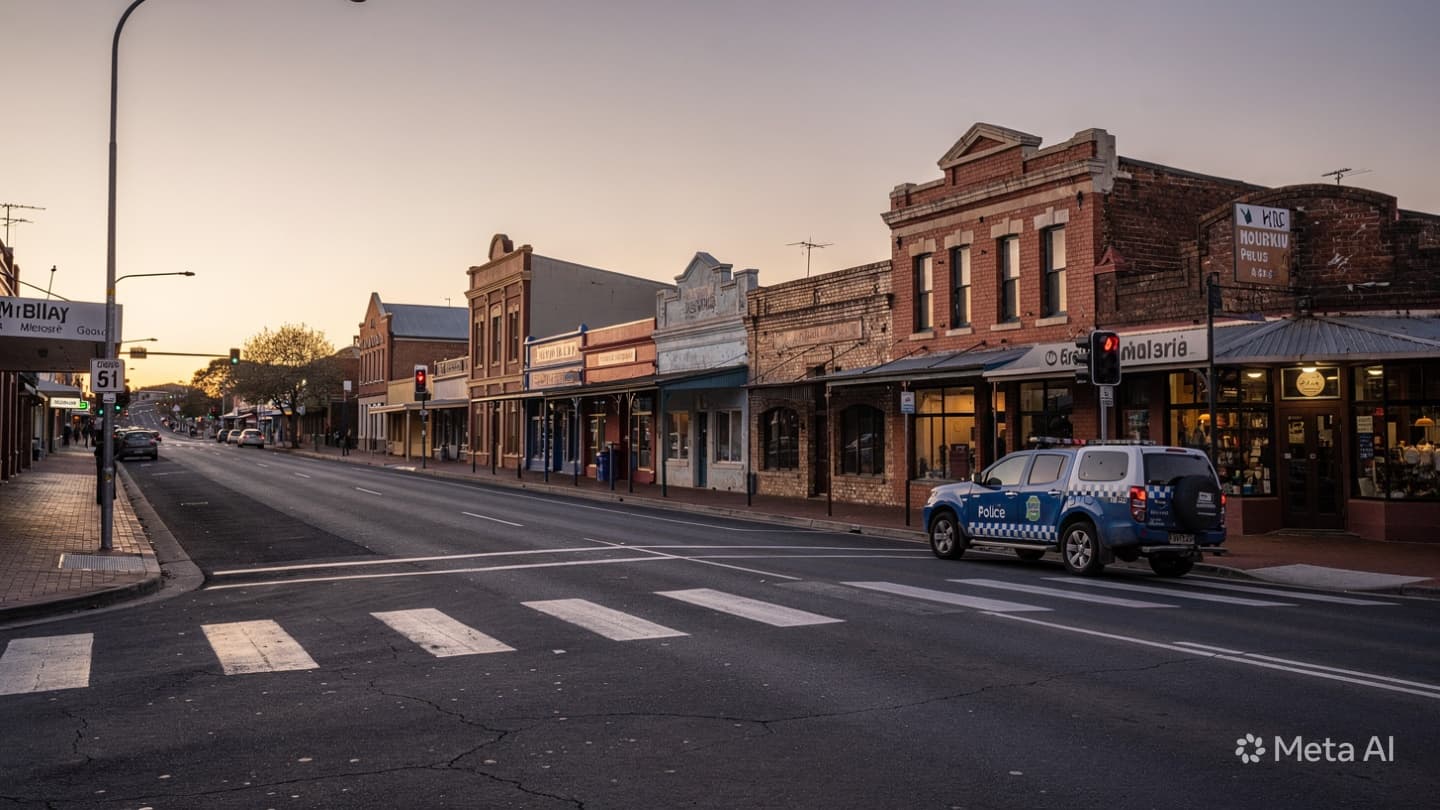
To observe an urban center during a high-visibility enforcement action is to witness a careful choreography of state presence. The familiar streetscapes, usually defined by the shifting shadows of the afternoon sun and the casual movement of shoppers, are punctuated by the steady, measured foot patrols of tactical personnel. The intent is not to foster an atmosphere of apprehension, but rather to construct a visible shield, a reassuring boundary that signals to the community that the shared spaces of the town are being actively monitored and preserved.
The human element of these operations is felt most acutely in the quiet conversations that occur between the police and local shopkeepers during the surge. These interactions, separate from the immediate business of detentions and searches, serve as an informal ledger of the community's anxieties and expectations. Merchants, long accustomed to the shifting patterns of neighborhood behavior, often welcome the structural grounding that a uniform presence provides, viewing it as a necessary anchor against the unpredictable currents of minor property crime and anti-social conduct.
Sociological analysts of modern law enforcement often note that the efficacy of a high-visibility surge lies as much in its psychological impact as in its statistical yield. The knowledge that a proactive detail is operating within a specific zone alters the calculations of those who carry weapons or manage illicit trades, forcing them to either withdraw from the area or face immediate detection. This preventative friction is the true measure of a successful campaign, reducing the incidence of conflict by rendering the public display of criminal intent unviable.
As the sun began to dip behind the western hills, lighting the brick facades of the older commercial buildings with a soft golden glow, the tactical units began to wind down their specialized patrols. The transition back to standard monitoring protocols was seamless, leaving behind a cleared landscape where the ordinary business of evening dining and family gatherings could proceed without interruption. The sixteen detentions recorded in the command ledger represent a significant, immediate clearance of local hazards, providing a stable foundation for the upcoming seasonal calendar.
Ultimately, the preservation of order in regional hubs requires a continuous, adaptive presence that respects the community while firmly addressing the elements that threaten its peace. The success of the recent surge provides a temporary, welcome reprieve, a clear demonstration that vigilance remains the primary currency of public safety. As the streets return to their accustomed quiet, the lesson of the operation lingers—a reminder that a safe city is a collective achievement, maintained through an unwavering commitment to the boundaries of civil law.
The New South Wales Police State Crime Command confirmed that sixteen individuals were arrested during a high-visibility operational surge targeting weapon offenses and drug possession in regional sectors. Tactical teams conducted numerous compliance checks, resulting in the seizure of multiple edge weapons and quantities of prohibited substances across dense commercial zones. Authorities stated that these proactive deployments will continue periodically to reinforce public safety and maintain community confidence in local security frameworks.
Published by Banx Network. This article is part of the Banx decentralized media programme, powered by the BXE token on the XRP Ledger.