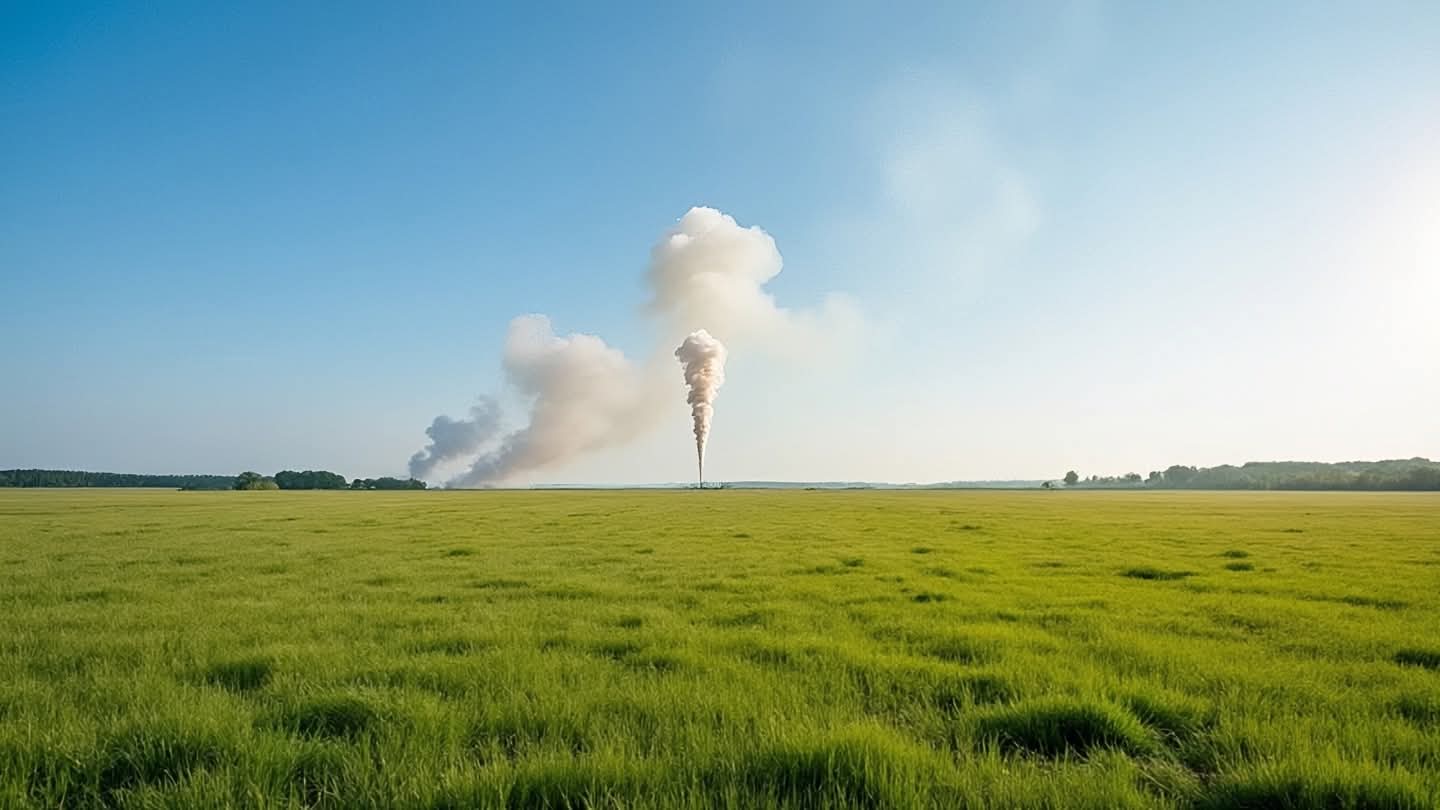
The Texas landscape is often defined by its vastness, a sprawling canvas of grasslands and scrub brush that stretches toward the horizon under an unyielding sun. Yet, this same openness can become a conduit for destruction when the winds shift and the air turns dry. In rural Texas, a wildfire erupted with startling speed, transforming a quiet afternoon into a scene of urgent evacuation. The fire’s rapid growth serves as a stark reminder of nature’s volatility and the fragility of life in the wildland-urban interface.
The blaze, which ignited in the early hours of the day, quickly expanded due to strong gusts and low humidity levels. Within hours, what began as a small brush fire had mushroomed into a significant threat, consuming thousands of acres of dry vegetation. Local authorities, recognizing the immediate danger to residents, issued mandatory evacuation orders for several communities in the affected counties. The speed of the response was critical, as firefighters worked to establish containment lines before the flames could reach residential areas.
For the residents forced to leave, the experience was one of sudden displacement. Families packed essential items in minutes, leaving behind homes that have stood for generations. The uncertainty of not knowing if their properties would survive the night added a layer of emotional distress to the physical act of fleeing. Community centers and shelters opened their doors, providing a temporary haven for those seeking safety and information.
Firefighting crews from across the region mobilized to combat the inferno, utilizing aerial support and ground teams to tackle the advancing front. The terrain, while beautiful, presented significant challenges, with rugged hills and dense brush making access difficult. Despite these obstacles, the dedication of the first responders remained unwavering, driven by a commitment to protect lives and property.
The incident highlights the increasing frequency and intensity of wildfires in the region, a trend linked to changing climate patterns and prolonged drought conditions. Experts warn that such events are becoming more common, requiring communities to adapt their preparedness strategies. The importance of defensible space around homes and early warning systems has never been more evident.
As the fire continues to burn, the focus remains on containment and protection. Air quality alerts have been issued for surrounding areas, advising residents to stay indoors and limit exposure to smoke. The health implications of such events extend beyond the immediate burn zone, affecting broader populations through respiratory issues and visibility hazards.
Neighbors help neighbors, sharing resources and offering comfort in a time of crisis. This spirit of solidarity is a hallmark of rural Texas communities, where self-reliance is balanced with a deep sense of mutual aid. It is a testament to the resilience of the human spirit in the face of natural adversity.
As the wildfire in rural Texas continues to be managed, the community waits for news of their homes and livelihoods. The event underscores the need for continued vigilance and investment in fire prevention and response capabilities, ensuring that future generations can live safely in this majestic but unpredictable landscape.
AI Image Disclaimer: Please note that any accompanying visuals for this report are AI-generated representations intended to illustrate the context of the event.
Sources: Texas Tribune KVUE KXAN National Interagency Fire Center
Published by Banx Network. This article is part of the Banx decentralized media programme, powered by the BXE token on the XRP Ledger.