
Key Highlights
- Researchers at the University of Kentucky are recycling bourbon stillage into carbon electrodes for energy storage.
- The new biobased supercapacitors can store significantly more energy than traditional devices.
- This innovation addresses waste management challenges in the spirits industry while promoting sustainability.
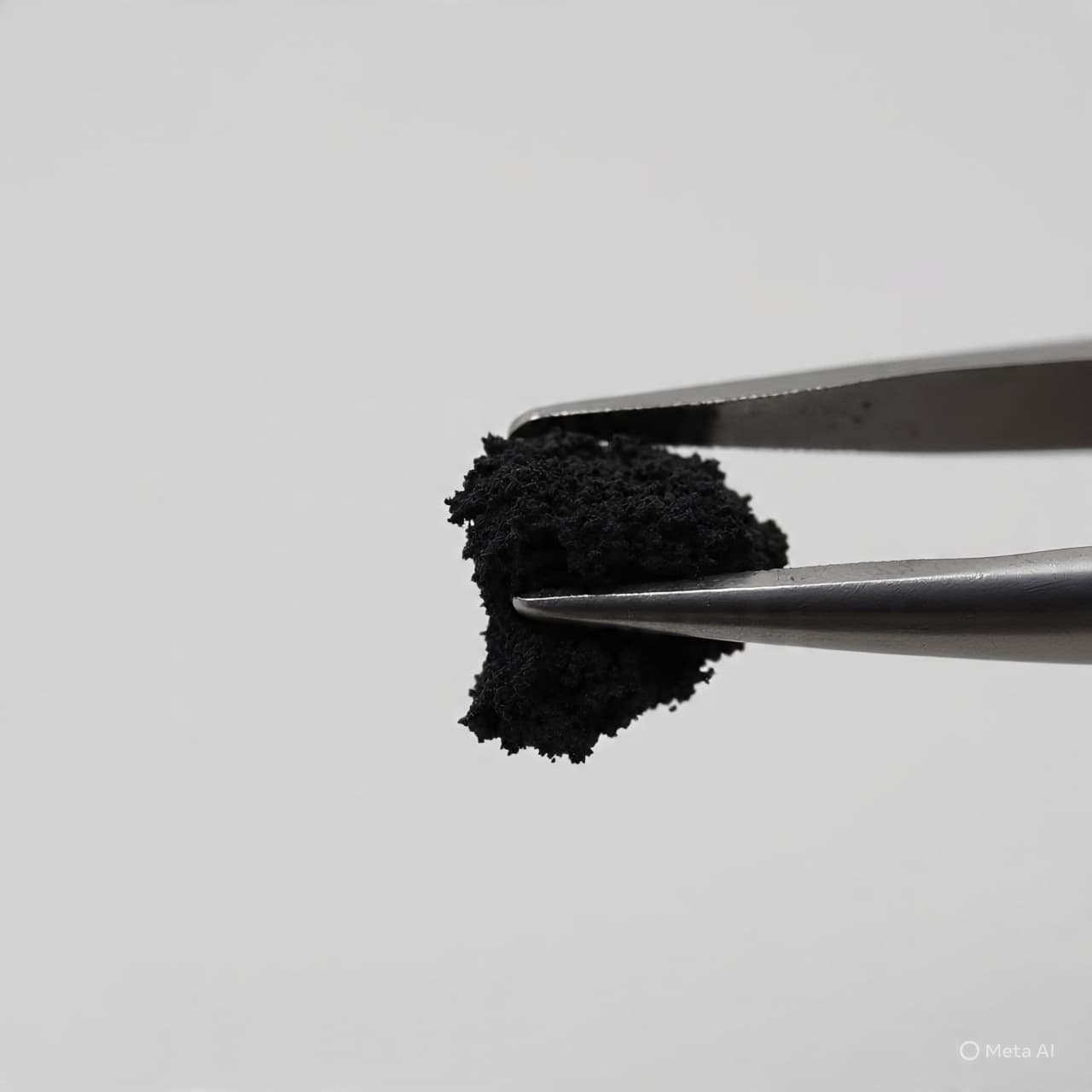
The cycle of harvest embodies a rhythmic beauty, culminating in the extraction of spirits from grain. Yet, in the golden light of processing facilities, a new form of alchemy is emerging. The byproduct known as stillage, often dismissed as waste, is now being repurposed as a vital component in energy storage technology. This transformation signifies a shift towards sustainability, where what was once discarded is finding new life in the form of high-performance carbon electrodes.
Stillage, often referred to as “mushy bourbon sludge,” is being reimagined in innovative ways. Researchers at the University of Kentucky have developed a process to convert this grain waste into biobased supercapacitors. These devices are capable of storing energy at levels significantly higher than conventional alternatives, marking a pivotal moment in the intersection of agriculture and technology. This initiative not only highlights the potential of stillage but also reflects a broader movement towards circular economies in various industries.
The implications of this research extend beyond mere energy storage. By recycling distillery waste, the spirits industry is taking a proactive stance on environmental stewardship. This approach reduces the ecological footprint associated with waste disposal while simultaneously providing a sustainable energy solution. The integration of stillage into energy storage systems exemplifies a commitment to innovation that respects both tradition and the environment.
As scientists and engineers delve deeper into this new frontier, they are discovering that the organic materials derived from stillage can outperform synthetic counterparts. The natural complexity of these materials allows for energy storage capabilities that are twenty-five times greater than traditional options. This revelation serves as a reminder that nature often holds the keys to solving modern challenges, encouraging a reevaluation of how we perceive waste.
The shift in perspective within the distillery sector is noteworthy. No longer viewed merely as a site of production, distilleries are evolving into integral components of a sustainable energy network. This transformation fosters a sense of identity expansion, where the creators of spirits become partners in the broader energy landscape. The transition from waste disposal to resource curation signifies a cultural shift towards valuing all aspects of production.
As this technology progresses from laboratory settings to industrial applications, the atmosphere is charged with optimism. The emergence of a grounded infrastructure that prioritizes the recycling of materials is a testament to human ingenuity. It underscores the potential for innovation to arise from the most unexpected sources, paving the way for a future where waste is not merely discarded but transformed into valuable resources.
The narrative surrounding stillage is one of resilience and creativity. It challenges us to reconsider our relationship with waste and to recognize the latent potential within it. In the heart of these carbon electrodes, the spirit of the harvest continues to thrive, symbolizing a harmonious blend of tradition and modernity in the quest for sustainable energy solutions.
Published by Banx Network. This article is part of the Banx decentralized media programme, powered by the BXE token on the XRP Ledger.



