
Key Highlights
- New Hybrid:Serbian scientists develop a drought-resistant wheat hybrid.
- Climate Challenge:The hybrid aims to combat rising temperatures and heatwaves.
- Food Security:This innovation is crucial for stabilizing national food security in Serbia.
The plains of Serbia have long been defined by the rhythm of the harvest, a vast expanse of gold that undulates under the summer sun like the surface of a landlocked sea. For generations, the farmers of the Vojvodina region have looked to the clouds with a mixture of reverence and anxiety, knowing that the thin line between abundance and scarcity is often drawn by the arrival of rain. Yet, as the climate shifts and the heat lingers longer than memory allows, the conversation between the land and the sky has begun to change.
In the quiet laboratories of southern Serbia, away from the hum of tractors, a different kind of growth has been taking place. Scientists have spent years examining the microscopic architecture of wheat stalks, seeking a way to marry the traditional resilience of Balkan grain with the necessities of a warming world. This meticulous labor requires the patience of a monk and the precision of a watchmaker, all aimed at protecting the future of the table.
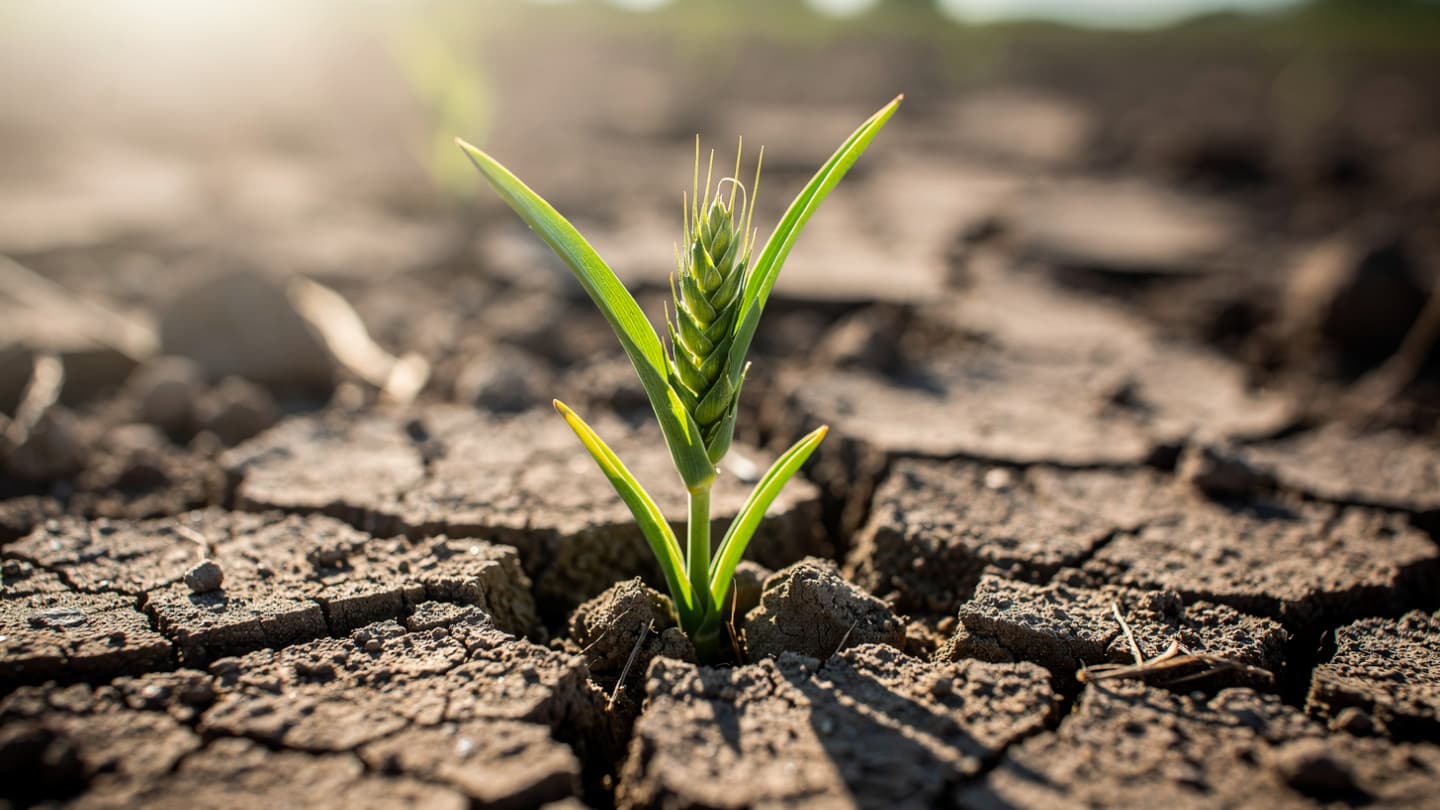
The result of this quiet endeavor is a new hybrid, a plant that seems to possess a stubborn refusal to wither when moisture vanishes from the soil. There is a certain poetic justice in the sight of these green shoots rising from earth that would have once been considered too dry to sustain life. It is a testament to the idea that while we cannot always control the elements, we can adapt our own presence within them to find a balance.
Walking through a trial field reveals a subtle revolution in our interaction with the environment. The stalks may not stand as tall as their ancestors, but they possess a sturdy, deep-rooted strength that feels more suited to the challenges of the coming decades. This is not a victory over nature, but a deeper understanding of it—a realization that survival often depends on the ability to bend without breaking.
The air in rural villages is thick with the scent of turned earth and the quiet anticipation of the first full-scale planting. There is a communal dignity in the way these communities approach the task of feeding a nation, a role they have held through empires and upheavals alike. The introduction of a new seed is not just a scientific milestone; it is a renewal of a contract that has existed since the first plow broke the Balkan sod.
In the markets of Belgrade and Novi Sad, discussions revolve around yields and sustainability, reflecting the practicalities of a changing landscape. However, in the fields themselves, the story is more atmospheric—it is the sound of the wind through a crop designed to endure the very wind that parches the ground. It is the sight of a horizon that remains green even when the rain fails to fall for weeks on end.
One cannot help but feel a sense of continuity when observing the cycle of the seasons, even as agricultural tools evolve. The farmer’s hand, weathered by the sun and the soil, remains the ultimate arbiter of the harvest, now guided by the insights of researchers. Together, they are crafting a narrative of resilience that stretches from the microscopic level to the furthest edge of the rolling hills.
As the sun sets over the Danube, casting long, purple shadows across the experimental plots, there is a profound stillness. The grain stands quiet, its roots reaching deep into the cooling earth, holding fast to the promise of another year. It is a reminder that even in a world of shifting climates and uncertain skies, the fundamental act of planting a seed remains an act of profound and quiet faith.
Serbian agricultural scientists have successfully introduced a new drought-resistant wheat hybrid designed to maintain high yields despite the increasing frequency of heatwaves across the Balkan peninsula. This development is expected to stabilize national food security as regional temperatures continue to rise above historical averages.
Published by Banx Network. This article is part of the Banx decentralized media programme, powered by the BXE token on the XRP Ledger.



