
Key Highlights
- Ecopetrol reports significant earnings growth amid energy transition.
- The company is investing in solar, wind, and hydrogen projects.
- Rural communities benefit from new infrastructure and education initiatives.
Ecopetrol, Colombia's leading oil and gas company, is undergoing a transformative shift that is reshaping the energy landscape of the nation. Recently, the company announced a notable increase in its earnings, a development that reflects not just traditional oil extraction but a strategic pivot towards renewable energy sources. This evolution is emblematic of a broader trend in the energy sector, where companies are increasingly recognizing the importance of sustainability alongside profitability.
The financial success of Ecopetrol serves as a testament to its ambitious strategy of integrating renewable energy into its operations. By investing in large-scale solar arrays and wind projects, the company is not only diversifying its energy portfolio but also positioning itself as a leader in the transition to a more sustainable energy future. This approach demonstrates that the path to renewable energy does not require a complete abandonment of traditional methods but rather a careful and calculated integration of new technologies.
In the corporate boardrooms of Bogotá, discussions have shifted from merely focusing on oil prices to exploring the potential of renewable energy sources. Ecopetrol's investments in hydrogen and geothermal energy projects highlight its commitment to innovation and adaptability in a rapidly changing energy market. This strategic diversification is crucial as the company seeks to balance its historical reliance on fossil fuels with the pressing need for cleaner energy solutions.
The impact of Ecopetrol's transition is being felt in the rural communities where it operates. New energy projects are not only providing clean energy but also fostering economic development through infrastructure improvements and technical education. These initiatives are vital for regions that have historically depended on the volatile oil market, helping to create a more stable and resilient local economy. By investing in renewable energy, Ecopetrol is contributing to a sustainable future for these communities, ensuring they are not left behind in the energy transition.
Technologically, the integration of renewable sources into Colombia's national grid represents a significant achievement. The deployment of smart grids allows for a seamless combination of various power sources, ensuring reliability even as the country transitions to greener energy. This digital transformation of the energy sector requires a new generation of engineers and technicians who are adept in both traditional energy systems and modern technology, further emphasizing the need for education and training in these fields.
Despite the positive developments, some critics argue that Ecopetrol's transition to renewable energy must accelerate to effectively address the global climate crisis. The company's leadership asserts that a balanced approach is essential for maintaining energy security and fiscal stability in Colombia. This balancing act is crucial as the nation navigates the complexities of energy production while striving to meet international climate commitments.
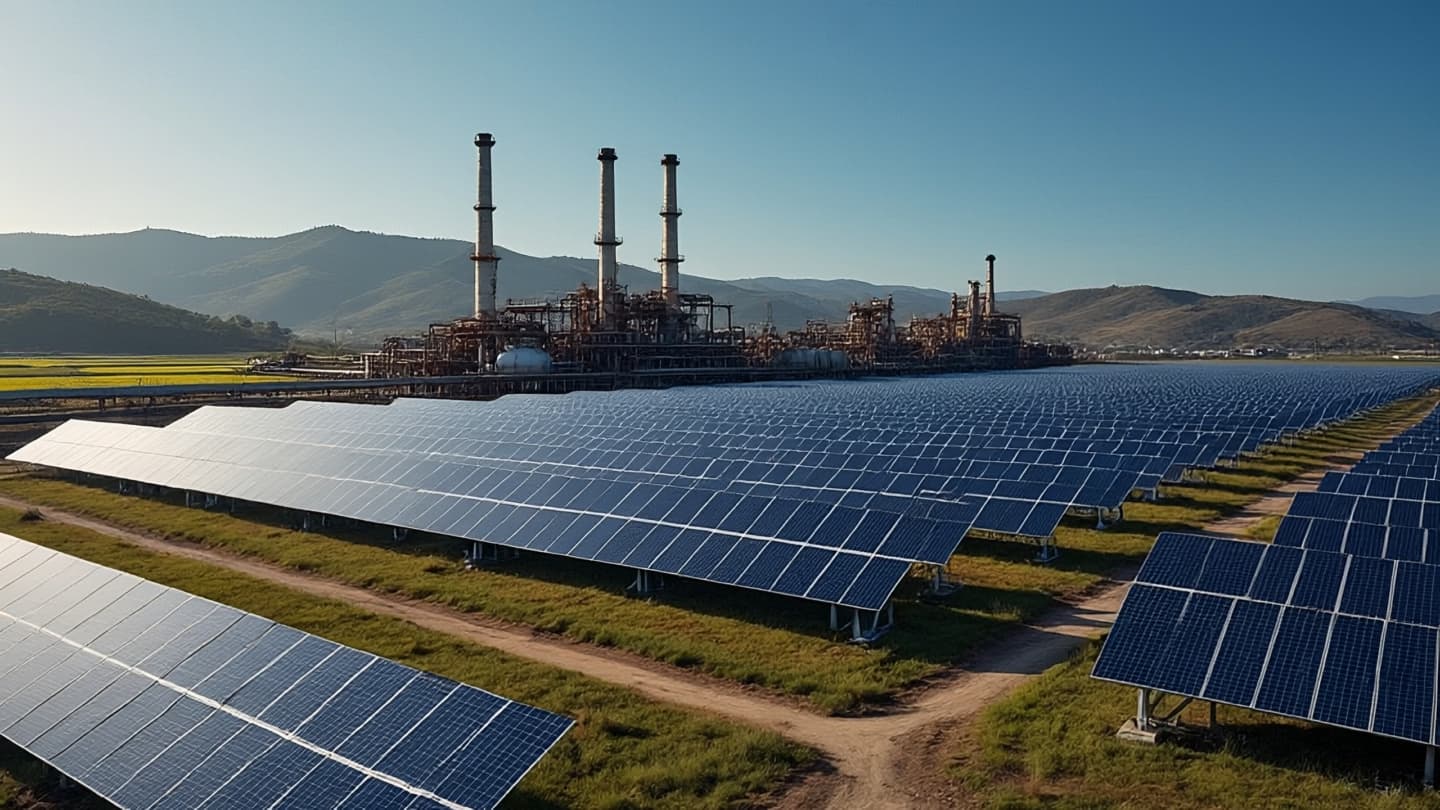
As the sun sets over Ecopetrol's refinery in Barrancabermeja, the juxtaposition of traditional cooling towers and modern photovoltaic panels serves as a powerful symbol of the ongoing energy transition in Colombia. The record earnings reported by the company signal to the global market that this transition is not a detriment but rather an opportunity for growth and innovation. Ecopetrol's journey reflects the broader narrative of Colombia—a country rich in natural resources that is now reaching for a sustainable and prosperous future.
In conclusion, the story of Ecopetrol is not just about a company; it is about a nation embracing change and striving for a cleaner, more sustainable energy future. As the company continues to evolve, it embodies the hope for a brighter Colombia, where the energy of the sun and wind can power the dreams of its people.
Published by Banx Network. This article is part of the Banx decentralized media programme, powered by the BXE token on the XRP Ledger.



