
Key Highlights
- Major media organizations have called for independent journalist access to Gaza.
- The appeal emphasizes the importance of firsthand reporting in understanding conflict.
- Restrictions on foreign journalists have limited coverage of the ongoing humanitarian crisis.
The aftermath of war often leaves behind more than just physical destruction; it creates a landscape where facts become obscured, and the truth must be pieced together by those who remain. This is particularly evident in Gaza, where a coalition of leading global media organizations has made a significant appeal to Israeli authorities for independent access to the territory for foreign journalists.
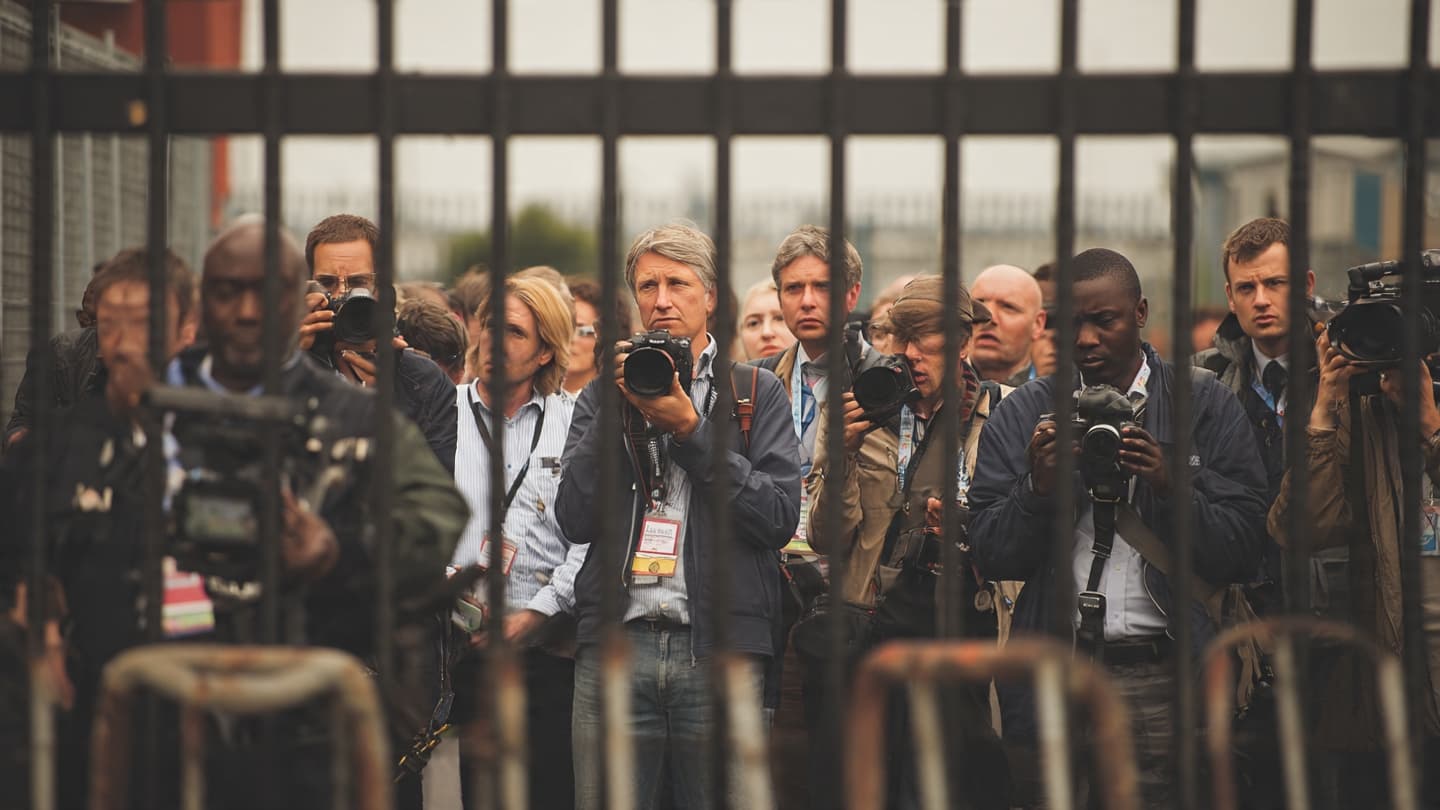
This request is rooted in a fundamental journalistic principle: events of profound human significance should be witnessed directly, allowing for independent questioning and reporting that is not solely reliant on official narratives. Editors and executives from prominent news outlets, including Reuters, Associated Press, BBC, and CNN, have united in this call, underscoring the critical role that reporters on the ground play in shaping public understanding of the situation.
Since the escalation of conflict, foreign journalists have faced significant barriers to entering Gaza independently. As a result, coverage has largely depended on local Palestinian reporters, humanitarian accounts, and official statements, often verified remotely. This reliance on indirect sources raises concerns about the completeness and accuracy of the information being disseminated to the global audience.
For many media leaders, the inability to access Gaza is not just a logistical challenge; it fundamentally alters how the world perceives suffering, accountability, and the evolving realities within a war zone. While distance can provide context, proximity often reveals nuances that are crucial for comprehensive reporting. The absence of independent eyewitness accounts narrows the frame through which the public views the humanitarian crisis unfolding in Gaza.
Moreover, there is a deeper professional concern at play. Journalism has traditionally operated on the principle that witnesses should not be chosen solely based on circumstance or permission. While independent access does not guarantee absolute truth, it significantly broadens the pathway toward a more accurate representation of events.
The timing of this appeal is critical, as international audiences remain acutely aware of the dire conditions faced by civilians, the extensive damage to infrastructure, and the challenges of humanitarian access. In such complex environments, the absence of firsthand reporting can lead to a distorted understanding of the realities on the ground.
Despite the inherent dangers of war zones, many editors argue that the need for firsthand reporting has never been more pressing. While security concerns continue to shape access decisions, the call for independent entry into Gaza remains a vital request. In conflicts that leave lasting impressions on collective memory, the ability to observe and report may be as significant as the events themselves.
As the situation evolves, international media organizations persist in their efforts to secure independent access to Gaza, while the restrictions on foreign journalists remain a significant barrier to comprehensive coverage.
Published by Banx Network. This article is part of the Banx decentralized media programme, powered by the BXE token on the XRP Ledger.



