
Key Highlights
- Rafah crossing reopening:Limited movement allowed starting Sunday.
- Screening by Israeli and Egyptian authorities will be mandatory.
- The reopening is part of a phased ceasefire plan amid ongoing humanitarian needs.
The Rafah border crossing has long been a critical lifeline for the people of Gaza, serving as a gateway to the outside world. Following years of conflict and restrictions, the crossing is set to reopen on Sunday, offering a glimmer of hope for many Gazans who have been cut off from essential services and opportunities. This reopening comes after Israel's control of the crossing was established in May 2024, during a period of heightened tensions with Hamas.
On Friday, Israel's Coordinator of Government Activities in the Territories (COGAT) announced that the crossing would allow the movement of people, albeit under strict conditions. Each individual will undergo screening by both Israeli and Egyptian authorities, with oversight from European Union border patrol agents. This process aims to ensure security while facilitating the movement of those in need.
For many Gazans, the announcement has been met with a mix of cautious optimism and apprehension. The reopening presents a chance for families separated by conflict to reunite, and for individuals requiring medical care to seek treatment outside Gaza's overstretched healthcare system. However, the stringent restrictions mean that only a select group of individuals with prior approval will be permitted to cross, leaving many still facing significant barriers to movement.
This development is part of a broader diplomatic effort to address the ongoing humanitarian crisis in the region. International actors have been working towards a phased ceasefire plan, recognizing that the needs of the Gazan population far exceed the limited capacity of the Rafah crossing. The reopening is a small but significant step in this complex landscape, where the realities of security and humanitarian needs often collide.
Health workers, displaced families, and those still searching for missing loved ones view the reopening as a tentative first step towards recovery. It symbolizes not just a physical passage but also a psychological shift, a moment of relief intertwined with the painful memories of loss and uncertainty. The crossing's reopening is a reminder of the resilience of the human spirit, even in the face of adversity.
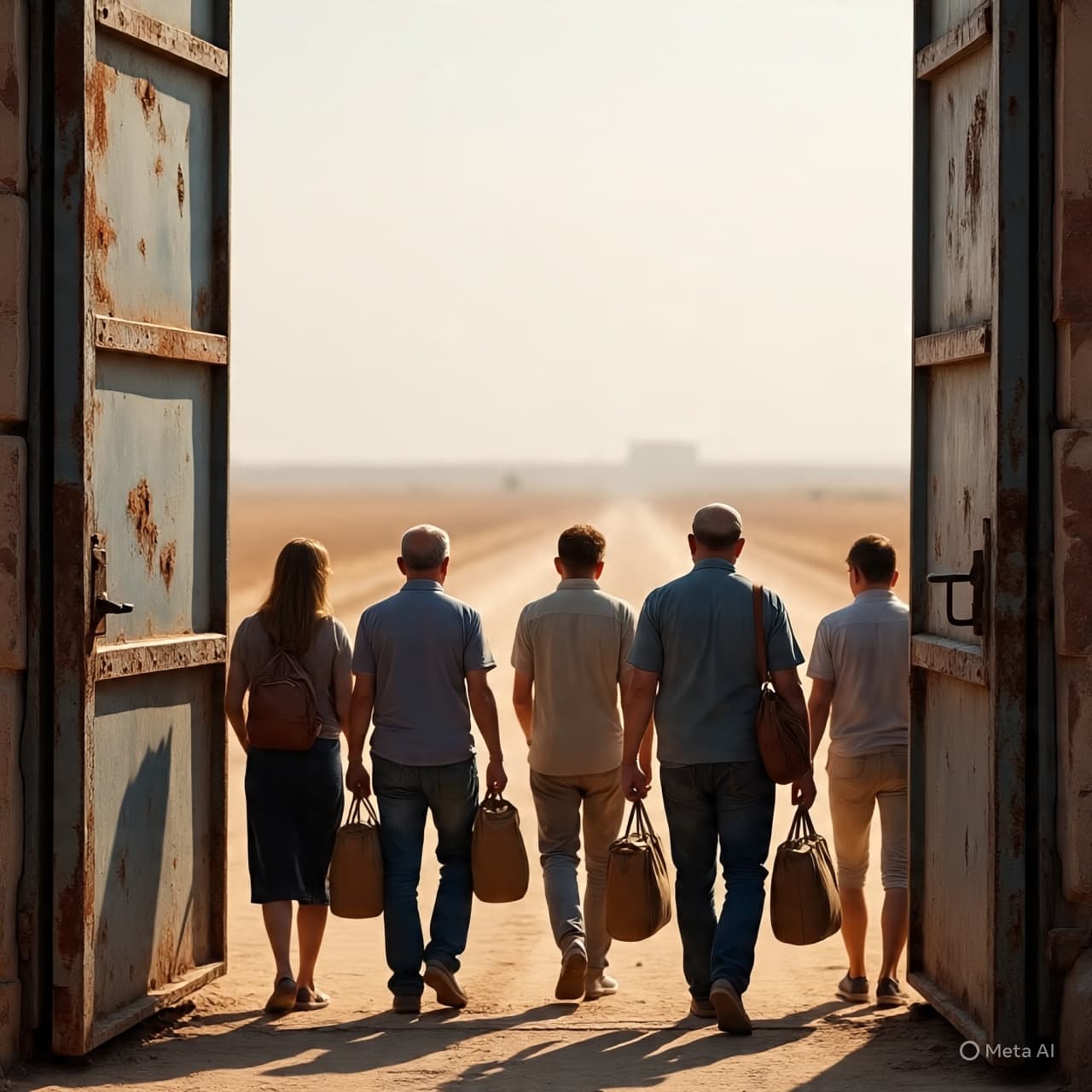
As the gates of Rafah prepare to open, the significance of this moment cannot be overstated. It represents a chance for movement and life to return to a region that has endured prolonged silence and suffering. Each crossing will carry the weight of hopes and dreams that have been stifled for too long, marking a new chapter in the ongoing story of Gaza.
Published by Banx Network. This article is part of the Banx decentralized media programme, powered by the BXE token on the XRP Ledger.



