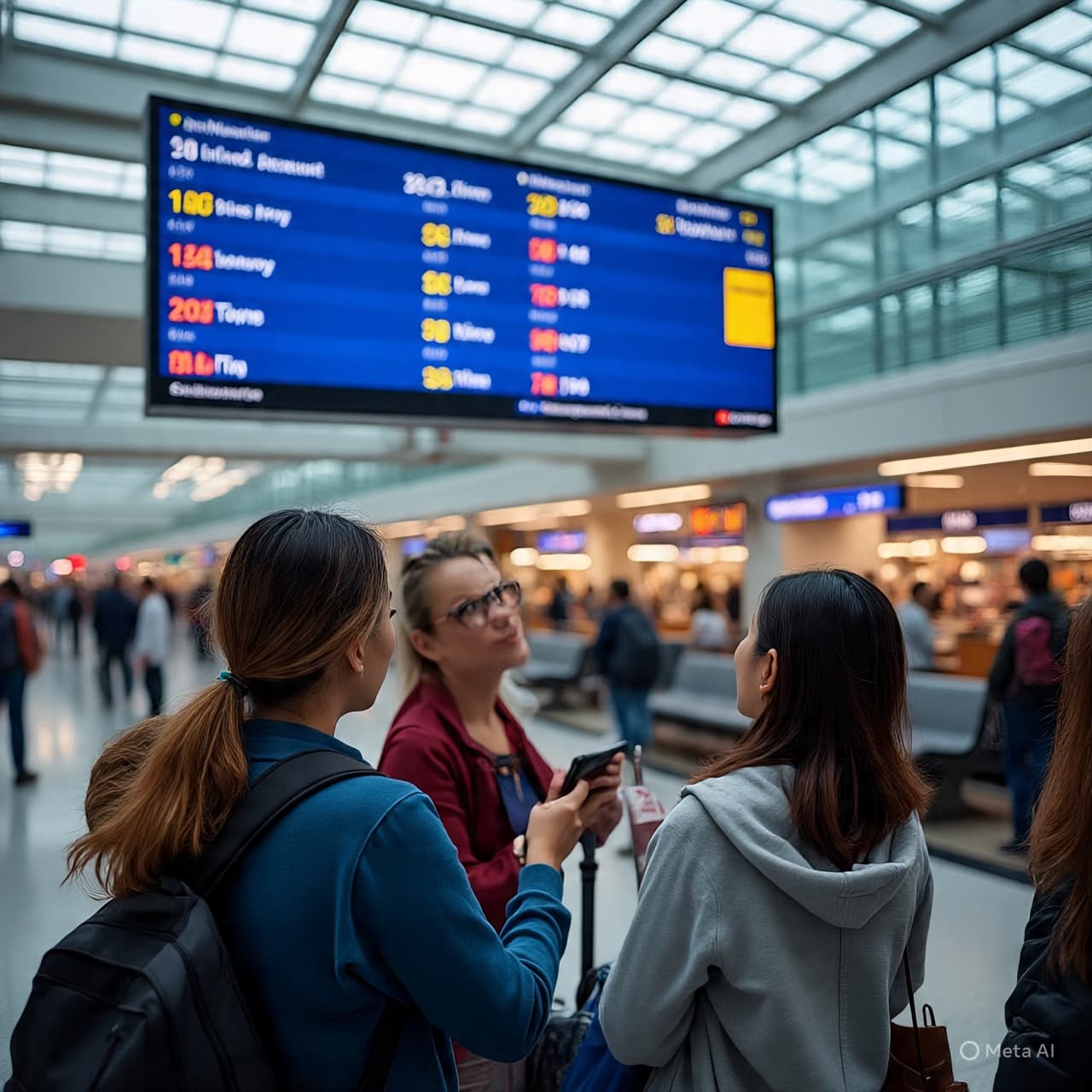
There are moments in public life that feel much like the shifting of tides along an unendinga shore gradual in motion yet profound in effect. So it is with the latest chapter of America’s immigration landscape, where policies forged in distant halls of power ripple outward to affect journeys, families, and futures around the world. On the morning of January 1, 2026, new federal travel restrictions, ordered by President Donald Trump, moved from proclamation to practice, becoming quietly yet unmistakably part of the world’s travel tapestry.
In the cool dawn hours, officials with U.S. Customs and Border Protection updated guidance that makes entry into the United States far more limited for people from a suite of nations across Africa, Asia, and the Middle East. Citizens of seven countries including Burkina Faso, Laos, Mali, Niger, Sierra Leone, South Sudan and Syria now face a full bar on both immigrant and nonimmigrant travel if they are outside the U.S. without valid visas as the new rules take hold. This is layered atop earlier restrictions affecting other nations, extending a travel policy that officials describe as a matter of safeguarding national security and public safety.
Like a script rewritten at the last minute, the policy contains nuances that matter deeply to individuals caught in its wake. Exceptions remain: lawful permanent residents, dual nationals traveling under different passports, certain diplomats, and participants in global sporting events like the 2026 FIFA World Cup or the 2028 Olympics may still seek entry under defined conditions. And those holding visas already valid as of January 1 are generally not stripped of what they already have. Yet for many awaiting new visas or planning to visit family, study, or work, the path has shifted.
Observers and advocates see this not merely as bureaucratic adjustment, but as part of a wider arc. The expanded travel ban builds on earlier policies from June 2025 and reflects a continuation of Trump-era immigration approaches that first took shape years before. While administration spokespeople frame the action in terms of vetting and national interest, critics argue that these broad nationality-based restrictions cast long shadows over global mobility and community ties.
Still, amid policy debates and diplomatic echoes, the individual stories are where headlines give way to human experience: the student who must decide whether to postpone studies, the parent questioning whether a planned visit will be possible, or the family waiting for long-anticipated reunions. In this interplay between law and life, the new travel rules are at once detail and destiny for many.
And so, as the first day of the year unfolded, the updated travel restrictions quietly entered effect a reminder that in our interconnected world, shifts in policy carry both practical consequence and personal resonance.
AI Image Disclaimer “Visuals are created with AI tools and are not real photographs.”
Sources:
ABC News / ABC7 WhiteHouse.gov fact sheet NAFSA travel ban overview American Immigration Council Times of India
Published by Banx Network. This article is part of the Banx decentralized media programme, powered by the BXE token on the XRP Ledger.