
Key Highlights
- Incident:A suspect attempted an attack during a gala at the Washington Hilton.
- Suspect:Cole Tomas Allen, a 31-year-old engineer, was arrested with firearms.
- Aftermath:The event raised serious concerns about security and public safety.
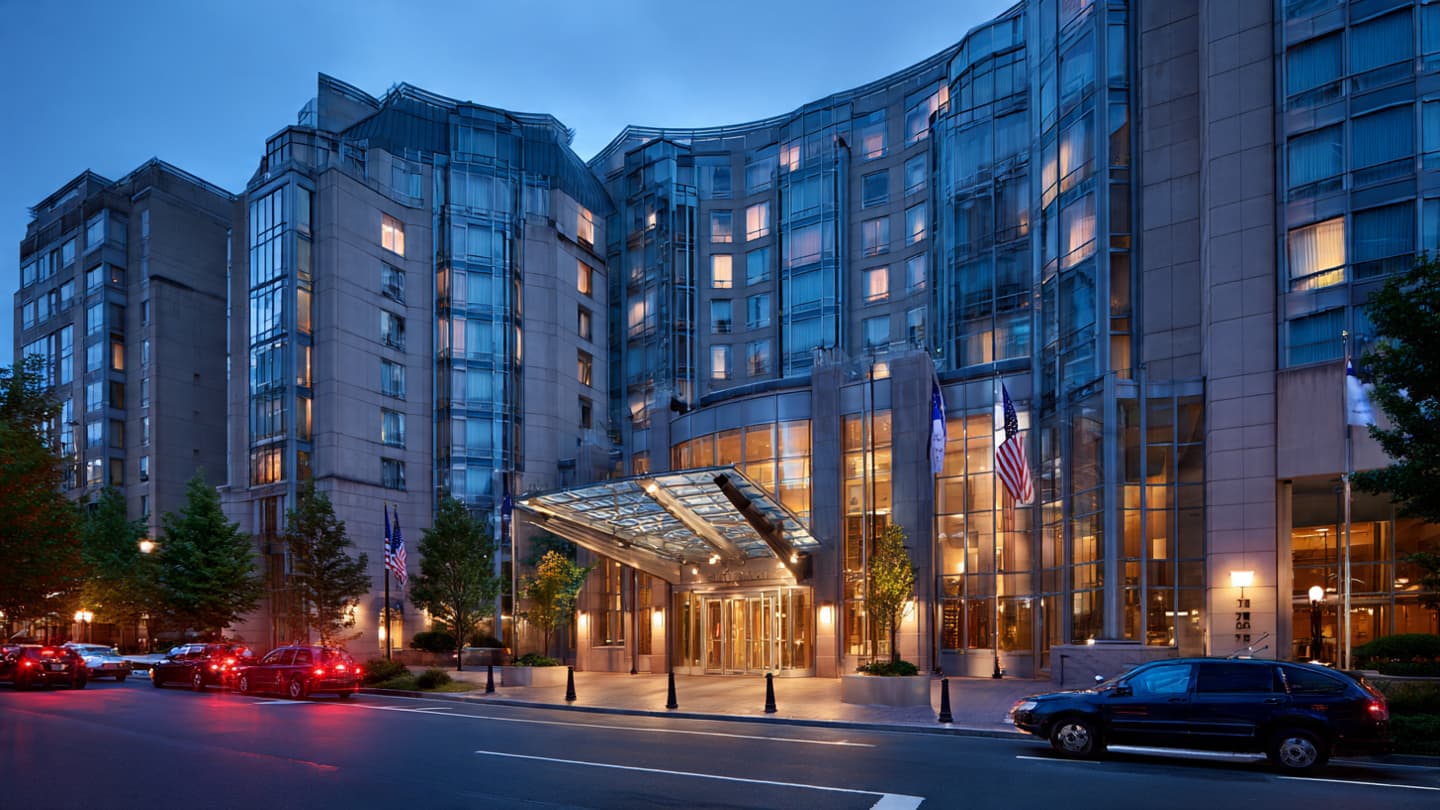
On a night meant to celebrate elegance and camaraderie, the Washington Hilton became the backdrop for a chilling incident that disrupted the peace of a high-profile gala. The evening, filled with the promise of lively conversation and celebration, was abruptly interrupted by the alarming presence of Cole Tomas Allen, a 31-year-old computer engineer from Torrance, California. His arrival was not merely as a guest but as a harbinger of chaos, armed with a shotgun and a semiautomatic pistol, both of which were later seized by authorities.
As the evening unfolded, the atmosphere shifted dramatically. Guests, dressed in their finest attire, found themselves in a precarious situation as the Secret Service swiftly moved to contain the threat. The initial shock of the event was palpable; the ballroom, once filled with laughter and chatter, transformed into a scene of survival. Attendees sought refuge under tables, while security personnel worked diligently to ensure the safety of everyone present. The incident serves as a stark reminder of the vulnerabilities that can exist even in the most controlled environments.
Investigators have begun piecing together Allen's journey, which included a calculated trip across the country, culminating in his arrival at the Hilton. The meticulous planning involved in his actions raises unsettling questions about his motivations. Reports indicate that he legally purchased his firearms years prior, suggesting a premeditated intent that is both chilling and perplexing. This juxtaposition of a seemingly ordinary individual with a dark purpose complicates the narrative surrounding the event.
The aftermath of the incident has left a lingering sense of unease in the capital. Federal charges have been filed against Allen, including counts related to the possession and discharge of firearms in a restricted area. The legal proceedings are expected to unfold in federal court, where the details of his actions will be scrutinized. Meanwhile, the Secret Service officer who was struck during the incident has been treated and released, a fortunate outcome amidst the chaos.
As the investigation continues, authorities are delving into Allen's digital footprint and travel history, searching for clues that might explain his drastic shift from citizen to suspect. The psychological implications of such an event are profound, prompting discussions about the mental state of individuals who resort to violence in public spaces. The gala, intended as a celebration, has now become a focal point for discussions on security and the fragility of safety in public life.
In the days following the incident, the Hilton has resumed its normal operations, yet the echoes of that fateful night remain. The city, while returning to its usual rhythm, is left to grapple with the reality that safety is often an illusion, maintained by the vigilance of those tasked with protecting the public. As the sun sets over the Potomac, the community reflects on the delicate balance between celebration and security, a balance that was momentarily disrupted but remains a critical aspect of public life.
The events at the Washington Hilton serve as a reminder of the complexities of human behavior and the unpredictable nature of violence. As investigations continue, the hope is that lessons will be learned, and measures will be taken to prevent such incidents in the future, ensuring that public gatherings can once again be spaces of joy and connection rather than fear and uncertainty.
Published by Banx Network. This article is part of the Banx decentralized media programme, powered by the BXE token on the XRP Ledger.



